If you’re planning to build a home with a basement, your contractor will likely begin with a block foundation. You might be wondering what this is and whether it’s the most durable foundation material.
Read on to discover answers to these and other related questions, along with effective waterproofing methods for repair.

Block foundation walls are constructed by stacking and mortaring blocks called concrete masonry units (CMUs). An initial block layer is built on a concrete footing, and subsequent layers are stacked to reach the desired height.
Standard concrete blocks and compressed stabilized earth blocks are made from materials like limestone or sand mixed with concrete. Regardless of the material, all block foundations require a waterproofing strategy to prevent water leakage, especially in areas with high precipitation.

Block foundations have a relatively recent history in the U.S. compared to traditional materials like brick or stone.
Concrete blocks gained popularity in the early 20th century, marked by Harmon S. Palmer’s 1900 invention of a machine for manufacturing hollow concrete blocks. These lighter, easier-to-transport blocks became practical construction materials. Their affordability and ease of use led to their widespread adoption for foundation walls and below-grade construction.
Block foundation walls are a popular choice for many reasons. Here are the benefits:

Several factors lead to block foundation wall damage. These factors include:
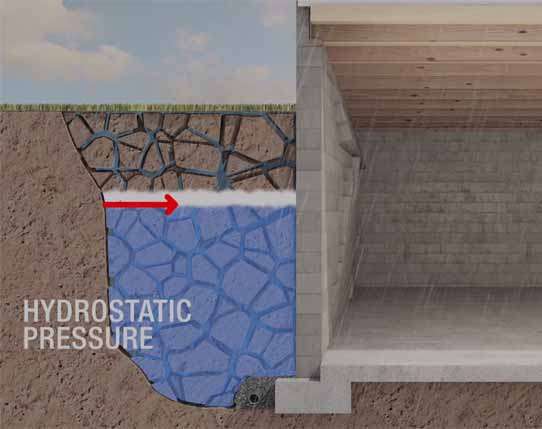
Moisture and hydrostatic pressure are critical concerns for foundation integrity. Damage occurs in these ways:
Moisture penetration occurs when water seeps through cracks in mortar joints or gaps between blocks, eroding the mortar and weakening the structure. Freeze-thaw cycles worsen this issue.
Poor drainage or high water tables increase the hydrostatic pressure caused by water in the surrounding soil pushing against foundation walls. Standing water and high water tables, particularly near lakes or ponds, can intensify this problem. Over time, hydrostatic pressure allows water infiltration and leaks, attracts pests, and promotes mold growth.
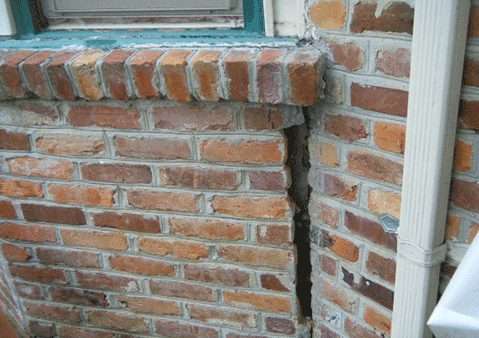
Block foundations, though strong, are susceptible to damage from movement, including:
Foundation settling occurs when the soil beneath the foundation fails to support it properly. This is caused by poor soil compaction or changes in moisture content.
Oversaturated expansive soil softens and causes foundations to sink, while dry soil shrinks, cracks, and fails to provide support. Poorly compacted soil leaves air pockets, compromising structural integrity and allowing foundations to sink into weak soil.
Lateral pressure from soil or water pushing sideways against the foundation walls can also cause bowing or cracking, particularly if the foundation lacks proper reinforcement. Proper drainage around the foundation is crucial to reduce hydrostatic pressure from water accumulation.
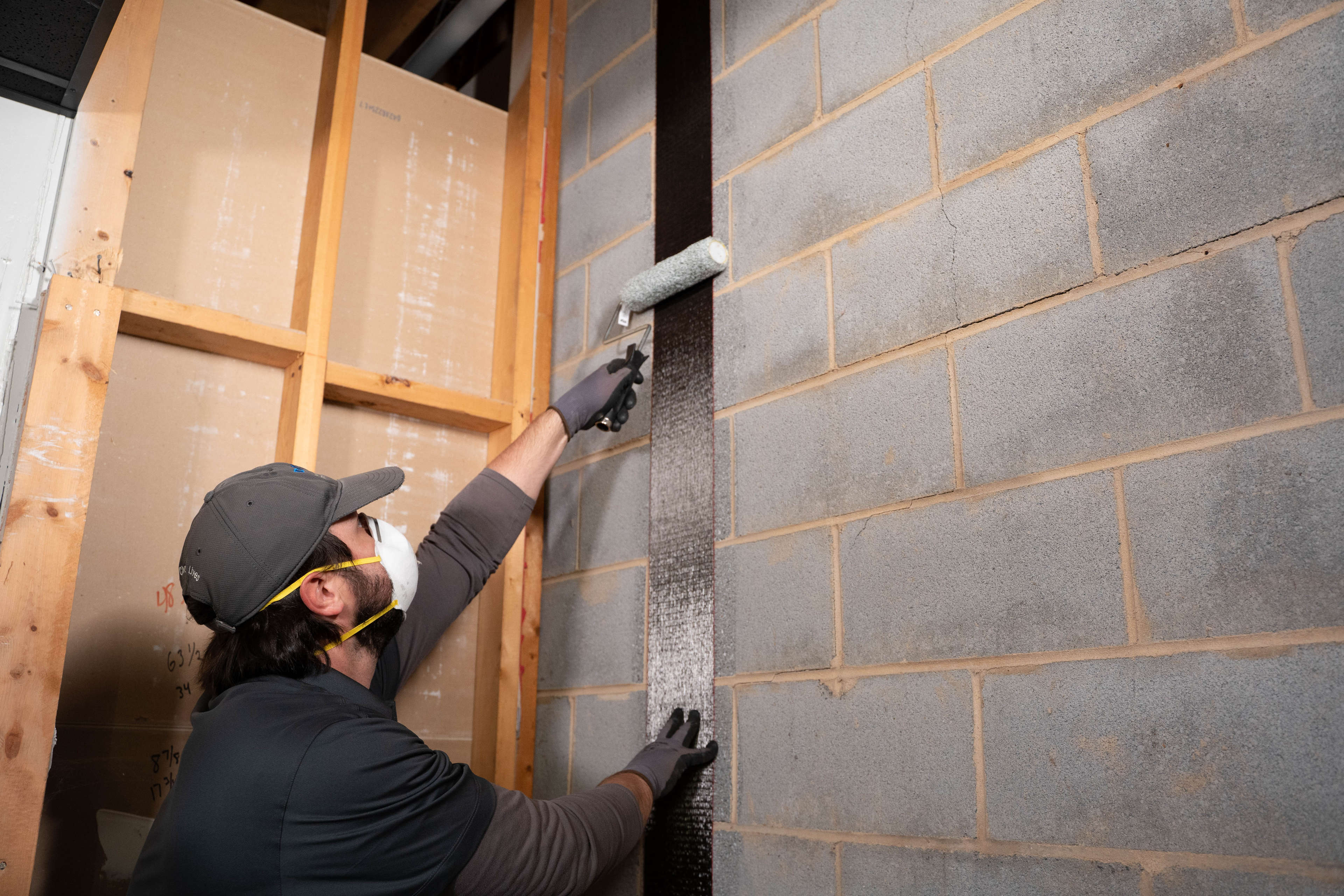
Foundation wall repair is crucial for protecting your home’s structural integrity and your family’s safety. Here are several ways to repair block foundation walls:
Addressing bowing walls and cracks before exterior waterproofing is essential. Contact a foundation repair professional for an inspection and tailored solutions for your home.

Preventing damage before it begins saves time and money long-term. Here are a few ways to prevent wall damage:
High-quality waterproofing membranes applied directly to the exterior foundation walls are crucial. This barrier prevents moisture seepage through the block walls.
Drain tiles installed around the foundation perimeter collect groundwater and redirect it away from the basement, reducing hydrostatic pressure and preventing water from entering through cracks or gaps.
Backfilling and compacting the trench around the foundation after installing drain tiles ensures proper drainage and prevents voids that could collect water.
Basement waterproofing solutions like vapor barriers, interior drainage systems, sump pumps, and dehumidifiers ensure the area remains dry. This approach prevents the moisture and humidity that cause damage like efflorescence, mold, and rot.
Concrete block foundation walls are popular in Virginia, Maryland, and D.C. homes because they are affordable, easy to construct, and durable. If you’ve noticed bowing walls, damp walls, or other damage, contact JES Foundation Repair for a free inspection. We’ve been protecting homes for over 20 years. Let us to safeguard yours.
Not necessarily. However, cracks, especially those that are widening or horizontal, can become entry points for moisture over time. Even if they’re not causing issues now, they might in the future. Regularly inspecting and addressing cracks early can prevent larger problems down the road. Contact JES Foundation Repair for an assessment of any cracks or potential vulnerabilities in your basement.
Yes, there is a correlation between the age of a home and the likelihood of basement wall cracks. Older homes are generally more susceptible to settling, soil movement, and the cumulative effects of environmental factors, increasing the potential for cracks over time.
Coverage for drywall cracks varies depending on your insurance policy and the root cause of the cracks. If the cracks are due to sudden, accidental events like a burst pipe, your policy may cover repairs. However, if the cracks are related to ongoing foundation issues, those are generally not covered, making it even more crucial to address problems early to minimize costs.
Groundworks
Who is the Groundworks Editorial Team? We're a small team of writers and researchers who spend our days digging into foundation repair, crawl spaces, and everything else that keeps a house standing. We work closely with Groundworks' field experts to make sure what we publish holds up — because when it's your home on the line, "probably right" isn't good enough.