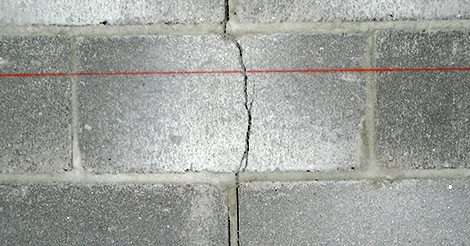
Basement problems, such as cracks in poured concrete walls, are common. These cracks are typically caused by the concrete’s natural curing process, which can cause shrinkage and cracking as the material dries and hardens. While some foundation or basement cracks are cosmetic, others can lead to severe problems such as water damage, mold growth, and foundation failure.
This page examines effective and ineffective solutions for crack repair.
Basement wall cracks pose a significant risk by allowing water to enter your home. This can lead to a damp, humid environment conducive to mold and mildew growth. Water infiltration can also damage your belongings, flooring, and walls, and may even cause structural issues if the foundation is compromised.
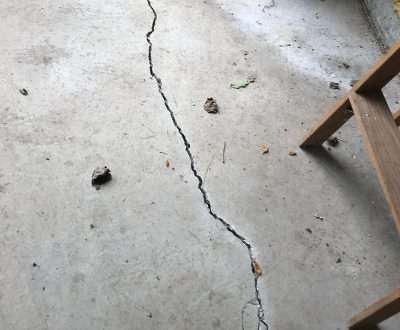
Many factors, ranging from the environment to how your house was built, can lead to cracks forming on your foundation walls. Here are some of the most common causes:

When it comes to basement wall cracks, finding a lasting solution to prevent further damage to your home is crucial. While plaster, epoxy, and urethane are popular quick-fix methods, they don’t provide a permanent solution. However, the Carbon Fiber® Wall Reinforcing System is a proven and long-lasting solution.
Carbon fiber reinforcement is a modern technology that permanently repairs cracked and bowed basement walls. Aerospace engineers and the U.S. Department of Defense developed the product. Its effectiveness is now being applied to the age-old problem of foundation walls that have sustained damage.
The Carbon Fiber® Wall Reinforcing System is more robust than steel and utilizes the same technology to support bridges, skyscrapers, and bomb shelters. It stabilizes building foundations that have sustained damage, such as cracks and bowing, making it a reliable and long-term solution to your basement wall cracks.
Preventive action against further damage is key if your basement has wall cracks. One option to consider is a BasementGutter™ system installation and wall paneling over the leaking wall cracks. The BasementGutter™ system collects water that seeps into the basement and directs it to a sump pump for safe removal, preventing future issues involving floor/wall joint leakage.
In addition to the BasementGutter™ system, wall paneling provides additional protection against moisture damage. It covers up any existing cracks and helps prevent new ones from forming. It can also improve your basement’s appearance while helping to insulate the space and reduce energy costs.
Many homeowners assume that they can solve basement or foundation cracks by simply patching the wall cracks by applying plaster over the offending crack. However, this is only a temporary fix and does not solve the underlying issue. The soil around your home swells and shrinks as the weather changes, so the plaster will either crack to reopen in the middle or lose its bond with the concrete and leak again.
Plaster or epoxy injections are another quick fix some homeowners attempt when addressing foundation or basement cracks.
Epoxy injections are a popular solution for basement wall cracks because they can create a strong bond between the two sides of the crack, preventing further water intrusion. Epoxy is a synthetic polymer composed of two main components: the resin and the hardener. When these two components are mixed, they form a highly adhesive and strong material that can bond with a wide range of surfaces.
However, there is a downside to using epoxy injections for basement wall crack repair. Epoxy is a rigid material and does not allow for any flexibility when the wall moves due to natural settling or changes in the soil around the foundation. This lack of flexibility can cause the epoxy to crack or detach from the concrete, creating even more cracks and allowing water to seep in, typically leading to even more cracks.
Urethane liquid is a synthetic polymer designed to expand and fill the cracks in the wall, creating a water-resistant barrier. The material is injected into the crack using a specialized tool, and as it comes into contact with air, it begins to expand and harden. This expansion helps to create a stronger bond between the two sides of the crack and prevents further water intrusion.
However, while urethane injections can sometimes be effective, this solution has significant limitations. Urethane may not stretch very far and, therefore, may not be able to accommodate the natural movement of the wall due to factors such as soil settling or temperature changes. If the wall continues to move, the urethane may crack or detach from the concrete, allowing water to seep in and potentially causing further damage.
Urethane injections are unsuitable for larger or more complex cracks, as the expanding material may not fully penetrate the crack and create a strong bond. It is also important to note that urethane injections are typically only a temporary fix and may need to be reapplied periodically to maintain their effectiveness.
Basement wall cracks can be a common issue for homeowners, but not all cracks are created equal. While some cracks may not pose a structural problem, others can cause serious concern. That’s why it’s essential to understand the various types of cracks and their level of urgency. A professional inspection can help determine whether the cracks require immediate attention.
If you notice vertical or diagonal cracks, contact a professional immediately using the form below. Cracks wider than 3/8 inch or with uneven ridges can indicate a more serious issue and should be examined by a trusted and licensed foundation repair company. Don’t wait until it’s too late—take action and protect your home today.
Contact JES Foundation Repair for a free inspection today!
Typically, the entire concrete repair process is completed within a single day, depending on the extent of the damage and the scope of the project. The PolyRenewal™ foam solidifies in just 15 minutes, allowing you to use the area shortly afterward.
Not necessarily. However, cracks, especially those that are widening or horizontal, can become entry points for moisture over time. Even if they’re not causing issues now, they might in the future. Regularly inspecting and addressing cracks early can prevent larger problems down the road. Contact JES Foundation Repair for an assessment of any cracks or potential vulnerabilities in your basement.

Groundworks Editorial Team