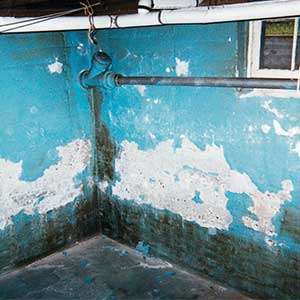
Once standing water has been removed with a sump pump and drainage system, the next step is addressing your basement walls. If you’re dealing with condensation, leaky windows, damp walls or floors, wet drywall, or recurring sump pump issues, basement wall waterproofing can help resolve the problem and prevent future moisture damage.
Given the issues above, it’s clear that unwanted water intrusion is the root cause. Waterproofing your basement walls helps protect the space from ongoing moisture problems and future damage.
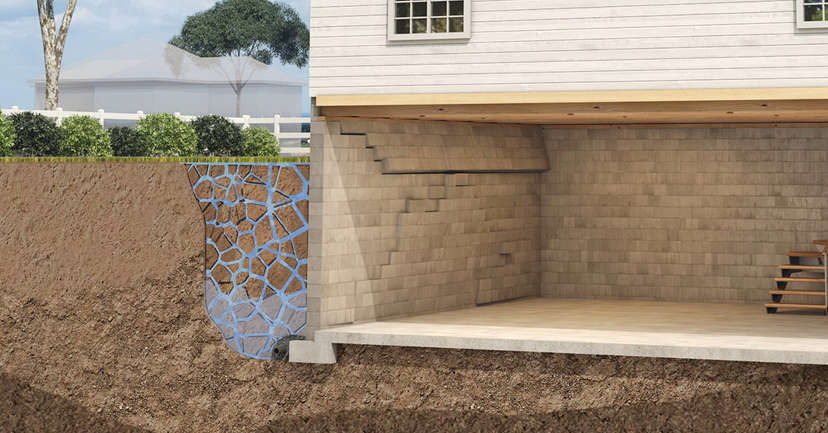
Unwanted water and moisture can enter your basement through many ways, most commonly through basement wall cracks. Oftentimes, you will see this type of crack located in the middle-third of the wall or from the corner of a window. The soil around your foundation can put immense strain on the walls, called hydrostatic pressure. Over time, this leads to cracks.
The main problem with the presence of these cracks is their ability to let water into your basement, making basement wall waterproofing necessary. When it comes to basement wall waterproofing solutions, there are three basic solutions. The choice must be based on what’s best for your basement’s specific needs.

A vapor barrier is one of the easiest and most affordable ways to create a moisture-resistant layer between your basement walls and the air inside your home. Made from heavy-duty plastic or polyethylene sheeting, the barrier is attached directly to the concrete or masonry wall surface, sealing off small pores where water vapor often seeps through.
When groundwater surrounds your foundation, even if it’s not leaking visibly, that moisture can still pass through concrete as vapor. Over time, this vapor collects inside, leading to damp walls, condensation, and a persistent musty basement smell. A vapor barrier acts like a shield, preventing that vapor from escaping into your living area.

If you notice water pooling along the base of your walls or seeping through joints after heavy rain, it’s critical to act quickly. Prolonged basement leaks can increase in severity over time, and the health and safety risks of standing water in the basement can be severe.
An interior drainage channel, also known as a perimeter drain or French drain, is a proven way to solve this problem from inside the home. A small trench is cut along the perimeter of the basement floor. A perforated drainage pipe is placed inside, surrounded by gravel or drainage material, and then covered with new concrete. As water seeps in, it’s captured immediately and directed into a sump pump, where it’s cycled away from your home.
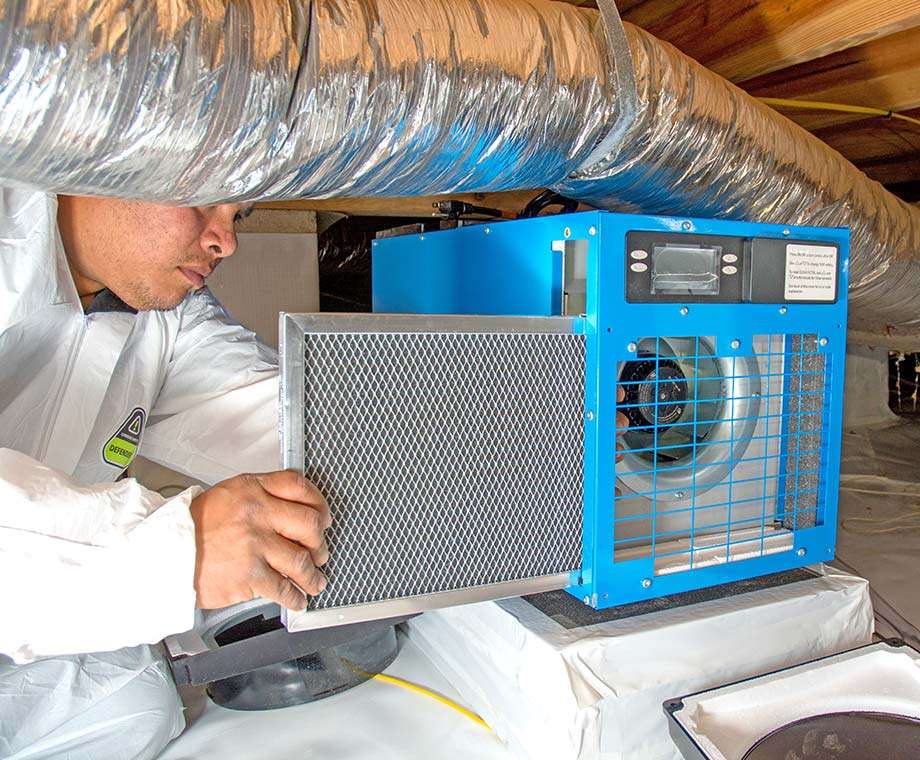
Even after sealing and draining your basement, airborne humidity can still make the space feel clammy and uncomfortable. That’s because moisture from laundry, bathrooms, or the soil beneath your foundation can raise humidity levels, even when walls and floors are dry to the touch.
A dehumidifier is designed to tackle exactly that problem. Unlike smaller, portable units meant for single rooms, basement-rated models are built to handle larger spaces and higher moisture loads. They continuously pull in humid air, condense the water vapor into liquid, and discharge it through a hose or drain line, meaning no buckets to empty.

Damp basement walls don’t have to be a permanent problem. By combining three simple yet powerful strategies in vapor barriers, interior drainage channels, and high-capacity dehumidifiers, you can tackle moisture from every angle.
Concerned about a wet basement? JES Foundation Repair offers lasting protection from basement leaks, water damage, and other issues. Contact our team today to get started with a free in-home estimate.
Yes, the way your landscape is designed can impact your basement’s moisture levels. Improper grading or drainage can lead to water pooling around your foundation, increasing the risk of water seeping into your basement. Ensuring that your yard slopes away from your foundation and that downspouts direct water well away from your home can help mitigate this risk. If you suspect landscape-related moisture issues, JES Foundation Repair can provide guidance and solutions.
It’s recommended to regularly check your basement for common problem signs, especially after heavy rainfalls or during seasons with increased precipitation. Monthly checks can help you spot early signs of water intrusion, allowing for timely intervention.
Groundworks
Who is the Groundworks Editorial Team? We're a small team of writers and researchers who spend our days digging into foundation repair, crawl spaces, and everything else that keeps a house standing. We work closely with Groundworks' field experts to make sure what we publish holds up — because when it's your home on the line, "probably right" isn't good enough.