
1. Dehumidifier
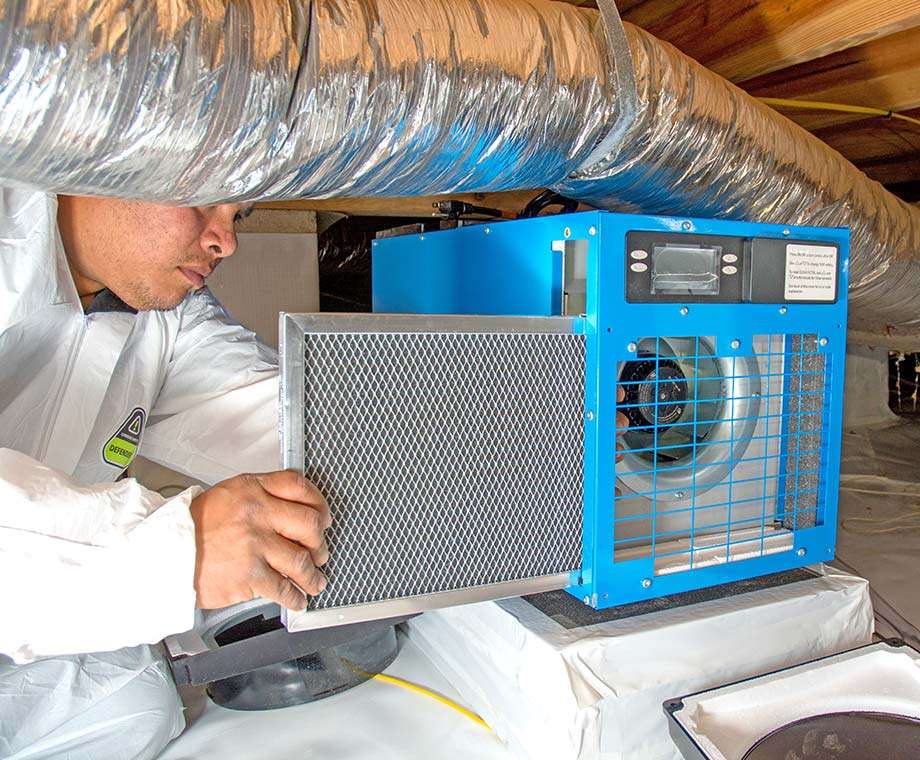
Dehumidifiers help control humidity levels in basements and crawl spaces by pulling excess moisture from the air. This reduces the risk of mold growth, musty odors, and wood rot while keeping the space dry, healthy, and comfortable.
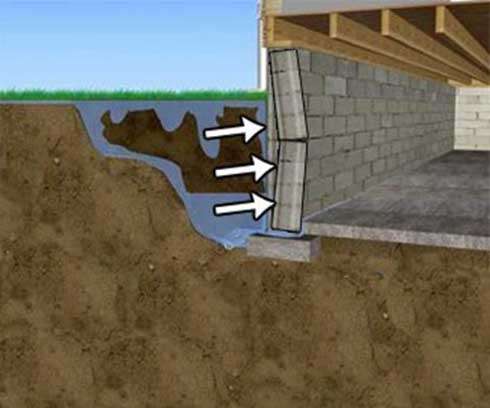
Water on or around your basement walls is a common source of anxiety for homeowners. Unaddressed leaks can ruin property, stain the walls, and even degrade your home’s structural integrity.
When you’re dealing with basement wall leaks, time is of the essence. It’s important to identify and treat the root cause of the moisture. In this article, we’ll explore common causes of basement wall leaks and five effective ways to limit water damage to your home.
A footing drain is a pipe that has holes drilled in it, which is installed on the outside of a foundation to help direct water away from a home’s foundation. Unfortunately, these holes can become clogged with the backfill soil, and once the pipes are clogged, it will allow water to collect near the basement’s foundation, causing hydrostatic pressure and basement wall cracking.
Hydrostatic pressure is the result of what happens when water has no route away from a home, so it begins to push against the foundation. This pressure will press against basement walls causing basement wall cracking and leaking as water enters your basement.
Bowing or tilting walls are the results of hydrostatic pressure pushing against the walls of a basement. Basement wall cracks will allow water to seep through and create a wet basement.
The loose soil that home builders use to fill the empty space around your basement walls will settle over time. Once backfill soil settles, it will allow water to run towards the foundation, contributing to hydrostatic pressure against basement walls. Additionally, gutters that do not face away from a home will also contribute to hydrostatic pressure.
Hurricanes (which typically occur in the summer) and nor’easters (which typically occur between October and March) bring heavy rainfall and increased soil erosion (be sure to read our Hurricane Preparedness Tips). Flooding, high winds, and even snow follow these storms, which increase hydrostatic pressure and the likelihood of a wet basement.
Dehumidifiers help control humidity levels in basements and crawl spaces by pulling excess moisture from the air. This reduces the risk of mold growth, musty odors, and wood rot while keeping the space dry, healthy, and comfortable.

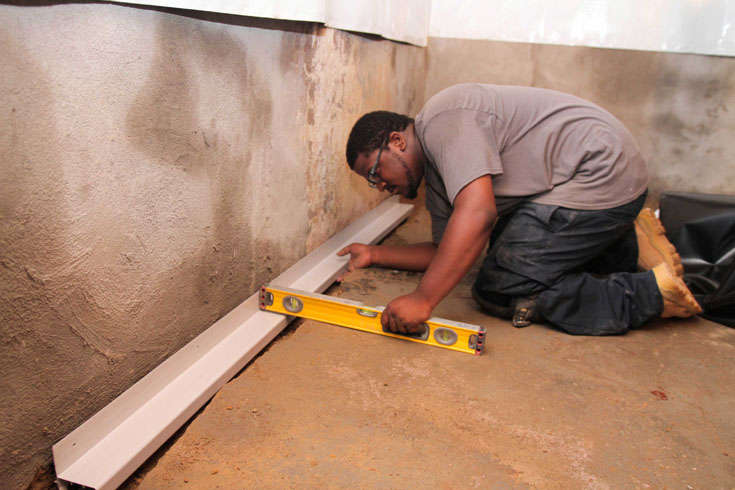
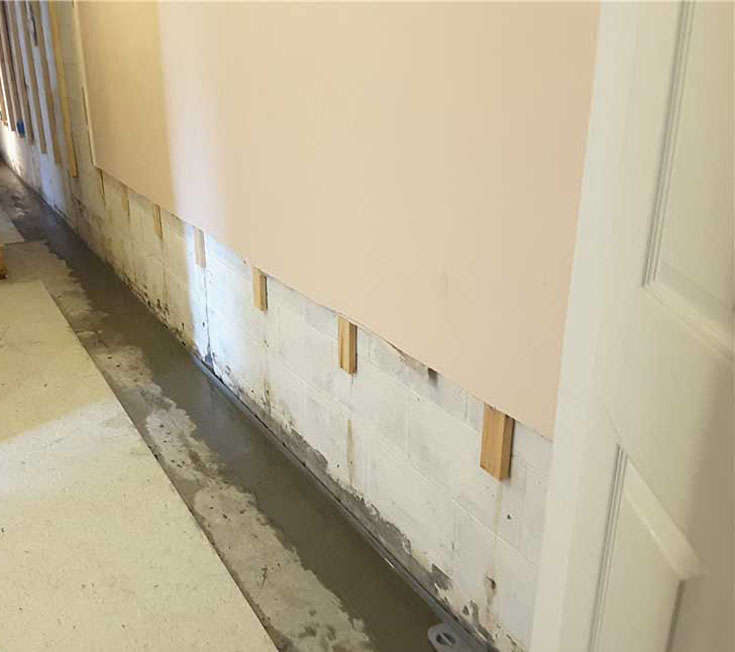
Interior drainage systems capture water seeping through basement walls or floors and direct it to the sump pump for removal. Installed along the perimeter of the basement, these channels work discreetly behind finished walls or under the floor slab.
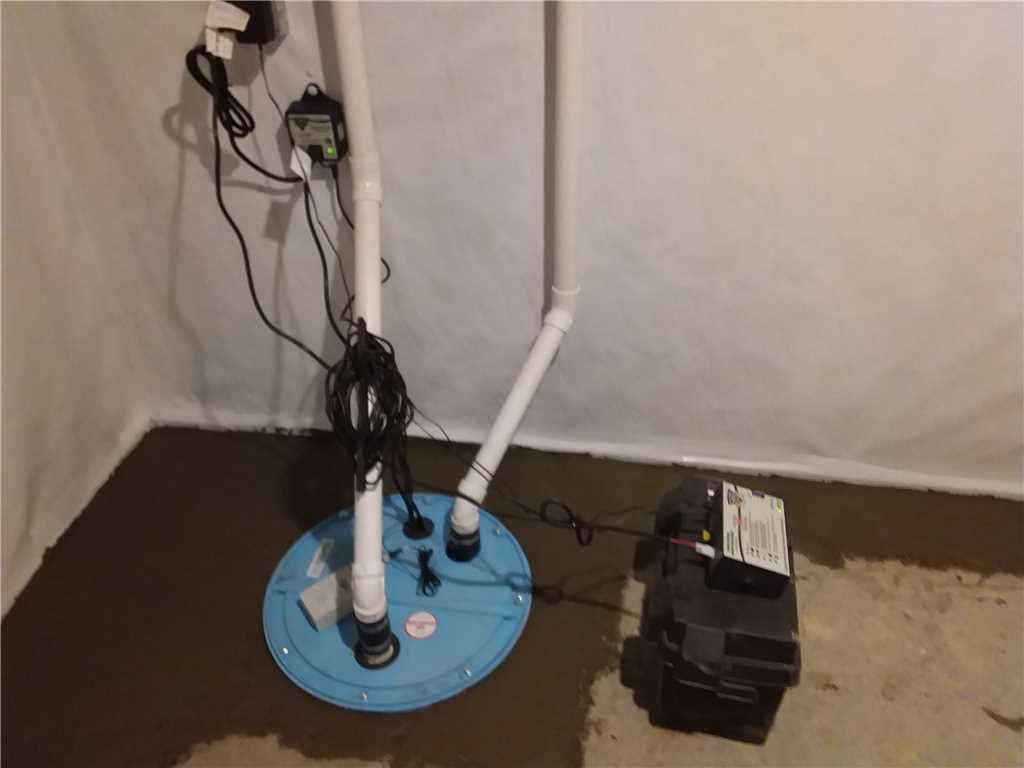
Sump pumps are essential for keeping basements dry during heavy rain or flooding. Installed in a sump pit at the lowest point of the basement, they collect and pump out groundwater before it can rise to floor level. Some pump systems include a battery backup to ensure continuous use.
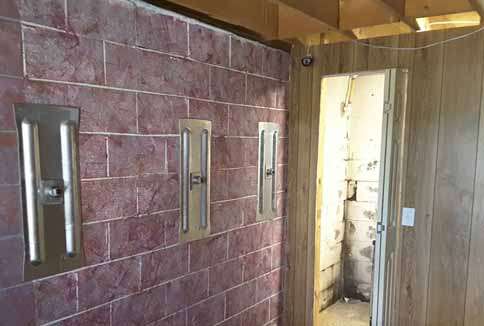
Foundation wall anchors can strengthen and repair a basement’s bowing or tilting walls. The three-part system works together against the pressure being exerted against basement walls by molding to basement walls to provide stability.
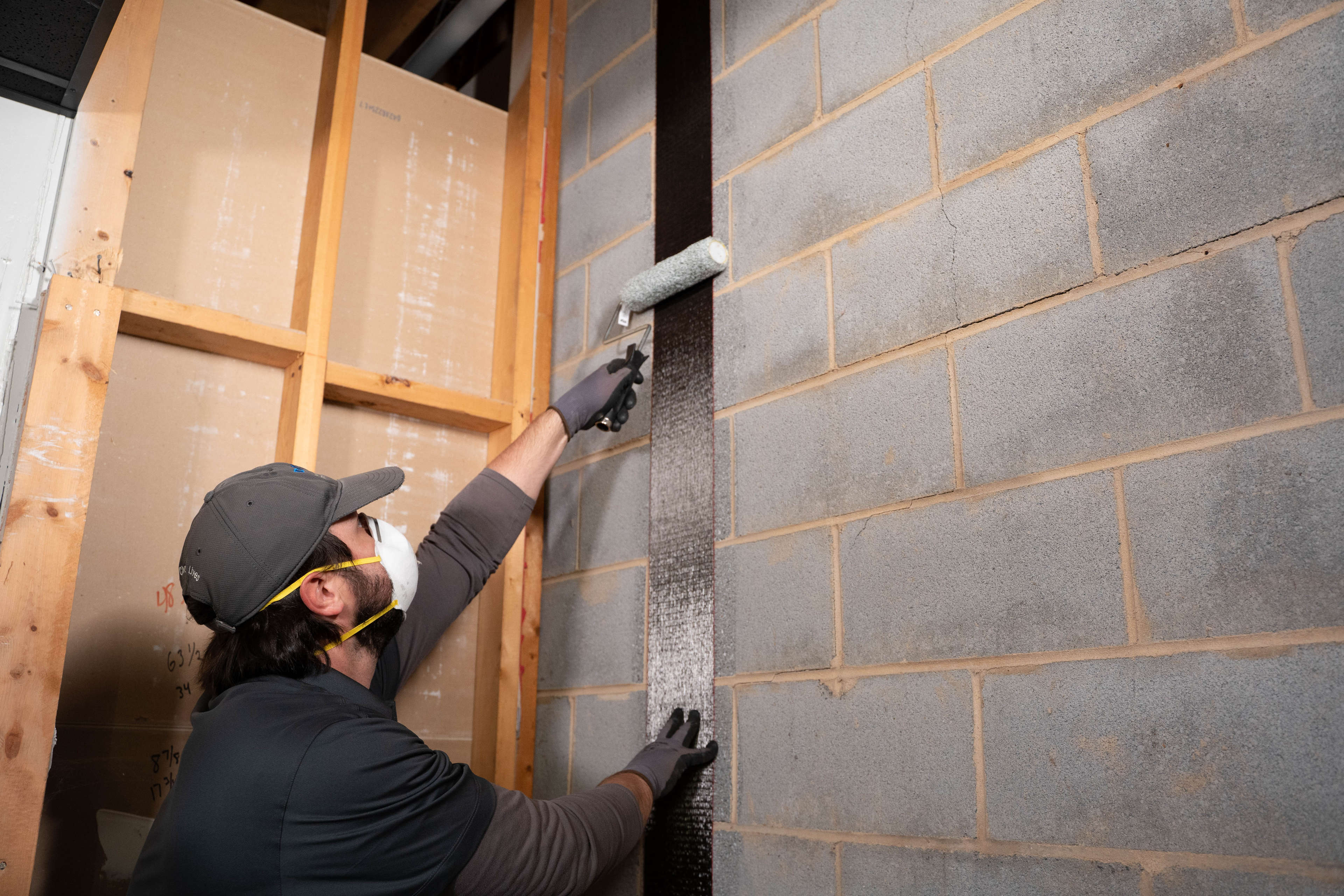
Carbon fiber wall strips provide a low-profile solution for reinforcing cracked or slightly bowing foundation walls. These durable strips bond directly to the concrete surface, preventing further movement and restoring wall stability without sacrificing usable space in the basement.

If you’re dealing with basement moisture, foundation cracks, or signs of structural stress, it pays to be proactive. JES Foundation Repair has the proven solutions to restore your home’s safety and comfort. Schedule your free inspection today and let our local experts find the best fix for your basement water woes.
Yes, the way your landscape is designed can impact your basement’s moisture levels. Improper grading or drainage can lead to water pooling around your foundation, increasing the risk of water seeping into your basement. Ensuring that your yard slopes away from your foundation and that downspouts direct water well away from your home can help mitigate this risk. If you suspect landscape-related moisture issues, JES Foundation Repair can provide guidance and solutions.
Basements can be susceptible to water intrusion during any season. However, periods of heavy rain or melting snow, such as in spring or after severe weather events, can heighten the risk. It’s also worth monitoring during prolonged rainy periods or rapid snowmelt.
It’s recommended to regularly check your basement for common problem signs, especially after heavy rainfalls or during seasons with increased precipitation. Monthly checks can help you spot early signs of water intrusion, allowing for timely intervention.

Groundworks Editorial Team