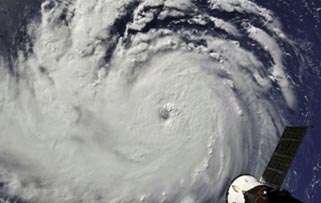
Hurricane Preparedness in Hampton Roads can be crucial for your home. Also, while most of us don’t think about the storm until it’s in our backyard, it’s important to plan ahead.
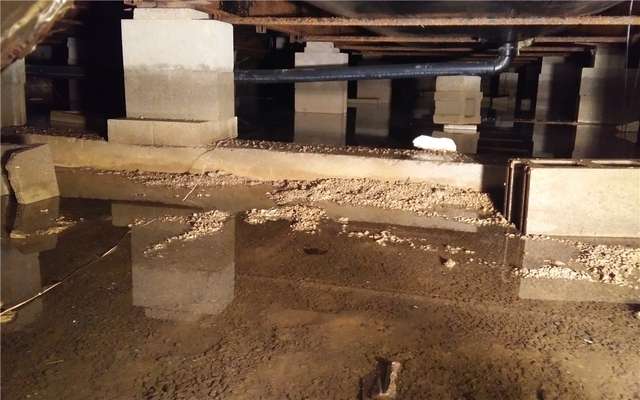
While high winds from the storm can create damage, the flooding caused by the storm is the biggest problem. In fact, the Virginia Department of Mines Minerals and Energy states that flooding is the most common and costly natural disaster in Virginia. If you have just one inch of water, it could cost you up to $8,000 in clean-up and repair. Nonetheless, preparing your home can make a huge difference.
““…flooding is the most common and costly natural disaster in Virginia. If you have just one inch of water, it could cost you up to $8,000 in clean-up and repair!””
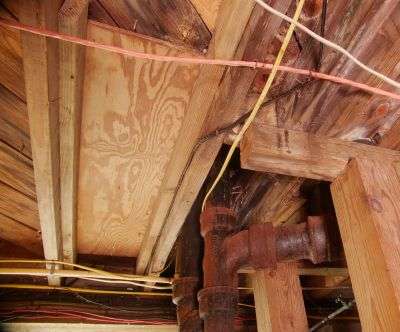
In the event that your area floods, don’t wait to dry out your crawl space, since it can create a plethora of problems. In general, a damp crawl space is the perfect breeding ground for mold, mildew, and wood rot. Furthermore, the damp crawl space air is also circulated through your home’s living areas, inviting dust mites in for a visit, courtesy of the stack effect.
To clarify, mold and dust mites are some of the leading allergens for people who have asthma and allergies. Both of these pests thrive in the humid environment, which is created by a damp crawl space. If your crawl space floods because of hurricane season, you’ll end up with a damp crawl space. For this reason, it’s best to address any problem signs before the storm hits.
In addition to the normal hurricane preparation recommended by Ready America, you can take these additional steps to protect your home and crawl space:
Clogged gutters overflow. As a result, the water that’s meant to drain away from your home will end up draining right next to your crawl space foundation.
Extend your downspouts 7-10 feet away from your home. In particular, extending your downspout drainage will help keep your crawl space dry in the event of heavy rain.
Check the grade around your home. If there are any areas that don’t slope away from your foundation, fill them in with soil to create a slope. In this case, the slope will help drain water away from your crawl space foundation.
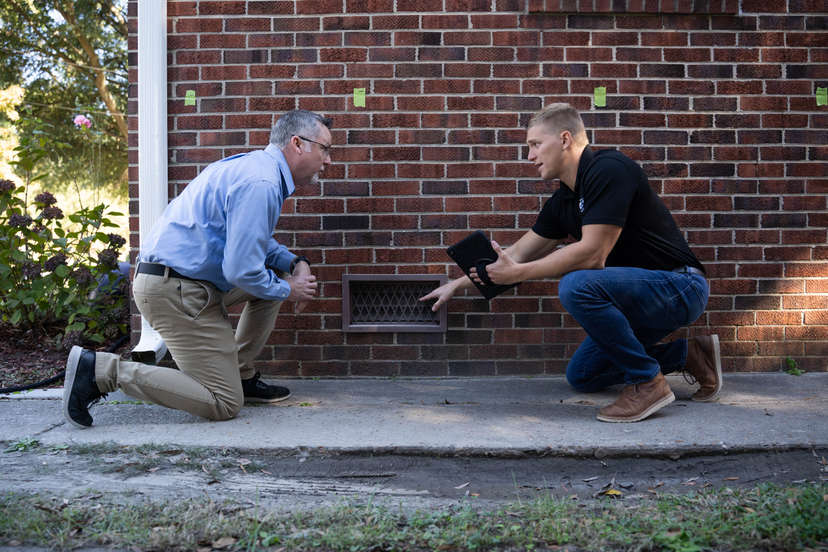
If you’re in an area prone to flooding, replace your crawl space vents with flood vents. Specifically, flood vents are designed to relieve the water pressure when your crawl space floods.
If you have a sump pump, make sure it’s working properly. In the event of a power outage, it’s always good to have a battery backup to ensure your sump pump will continue to work.
Is flood damage covered? If you’re unsure or your policy isn’t clear, contact your provider as soon as possible.
Always remember to take a few precautions before the storm. In general, a few simple hurricane preparation steps can end up saving you a lot of time, money, and stress. Lastly, if you’re not sure about the safety of your crawl space, we’re here to answer your questions. Contact JES today to talk to a crawl space expert and learn more about how to protect your home.

Groundworks Editorial Team