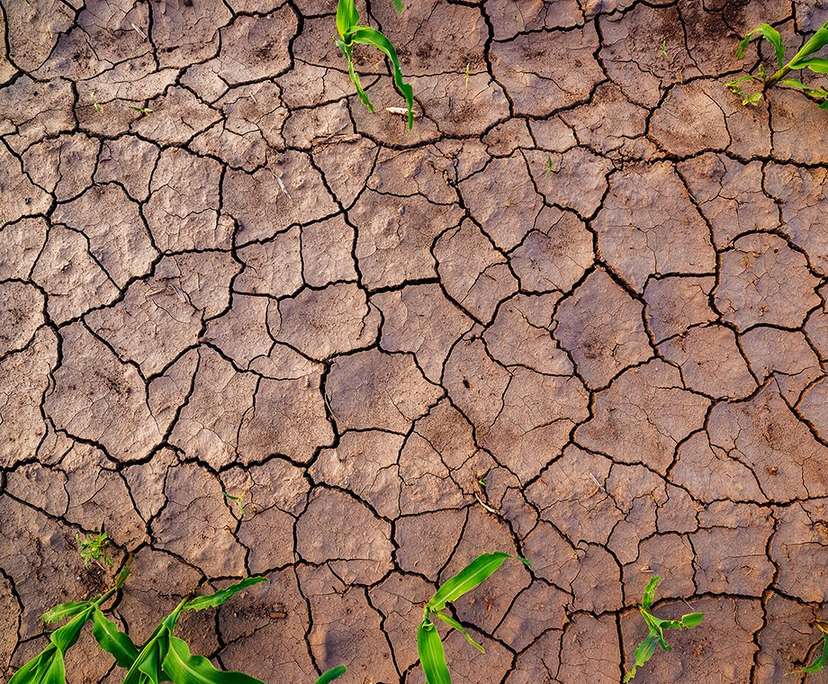
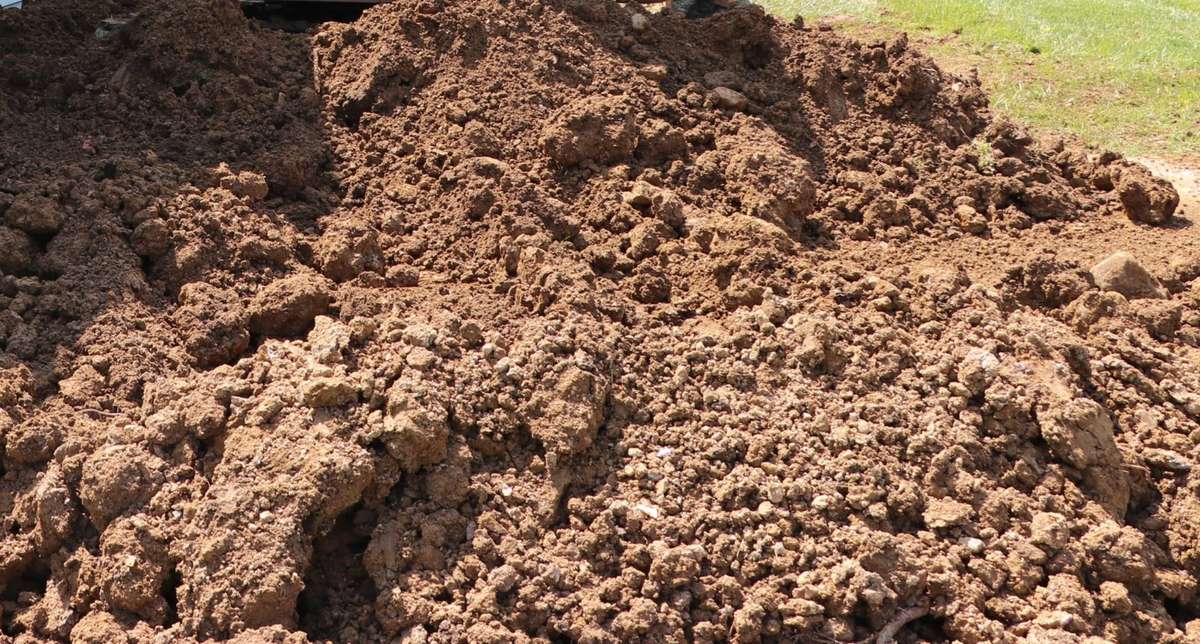
Expansive soil foundation issues and hydrostatic pressure are caused by clay-rich soil that swells when it absorbs moisture and shrinks when it dries out. This continuous cycle causes foundation damage, such as:
The repeated soil swelling and shrinking weaken the entire house structure over time. Expansive soil foundation issues and hydrostatic pressure foundation damage in Clifton are legitimate homeowner concerns. Let’s explore more.
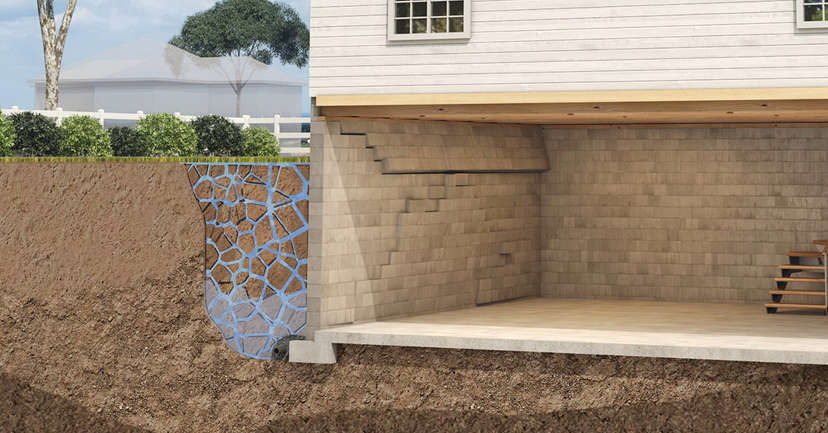
Oversaturated soil leads to the hydrostatic pressure that stresses foundation walls. If this pressure becomes too great, it can cause significant damage. Hydrostatic pressure foundation damage in Clifton causes damage such as:
Without proper water management and preventative measures, hydrostatic pressure will continue to threaten your home’s structural stability. Learning to identify the early signs of potential damage can help prevent worsening.
Foundation settlement occurs when the soil can no longer support your home’s weight. The problem signs often begin subtly but can worsen if neglected. Common signs of foundation settlement in Clifton, VA, include:
If you notice signs of foundation settlement, consider contacting a professional for an inspection. A thorough assessment will help set your mind at ease and answer any questions you may have.

House lifting and foundation repair may be necessary to re-stabilize and lift your home. Common foundation repair solutions include:
These foundation repair solutions help restore your home and reduce signs of foundation settlement in Clifton, VA.
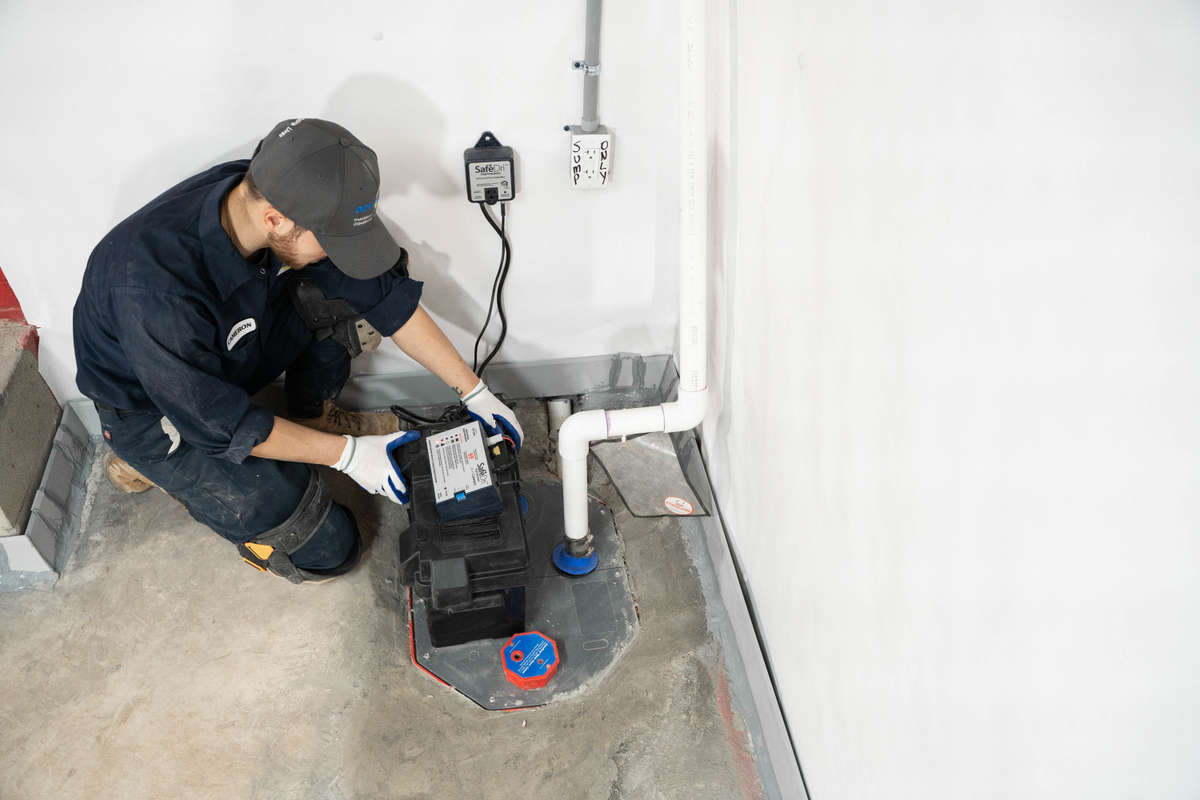
Foundation damage prevention begins with proactive measures, including:
Still unsure? JES Foundation Repair provides free inspections to assess your home’s foundation. Our solutions involve tailored strategies to ensure the underlying cause of damage is addressed.

If you’ve noticed signs of foundation movement caused by hydrostatic pressure, schedule a free inspection with JES Foundation Repair. Our local team understands foundation issues in Clifton, VA, and provides tailored repair plans to protect your home. Expansive soil foundation issues and hydrostatic pressure can be resolved with effective, long-lasting solutions.
Contact us today for a free inspection and take the first step toward long-term stability.
Hydrostatic pressure is one of the most common causes of damage and dampness in properties across Charlottesville, VA. This may seem strange, of course, when you consider the fact that hydrostatic pressure is a natural process that impacts every home on a consistent basis. After all, it is simply the weight of the soil and the water that it contains. This lateral pressure can cause a number of issues when it is left to grow unchecked, but the actual causes of increased hydrostatic pressure can vary.
Broadly speaking, there are two main causes: an increase in water or a lack of drainage capabilities. A sudden increase in the water content of the soil can be caused by heavier rainfall that the area usually experiences, localized flooding, storms, and heavy periods of snow thaw that lead to runoff. Inadequate drainage capabilities, however, occur when a property has too few drains, or when blockages and clogs leave it unable to process the same amount of water as usual.
Whichever of these causes is to blame (and it is usually a mix of the two), an excess of hydrostatic pressure is incredibly damaging for any home. As well as causing issues like seepage and increasing humidity, excessively high hydrostatic pressure can cause bowing and buckling walls. In fact, it can even lead to localized collapses in a property, which is both damaging to your home and potentially dangerous to your health and wellbeing.
Hydrostatic pressure is something that every home has to deal with. After all, it is simply the combined weight of the soil and the water that it contains. This is something that every home is designed to cope with to a certain extent. Hydrostatic pressure only really causes problems when it reaches levels that are unbearable for your property. When this happens, the damage can be significant and widespread.
The reason that hydrostatic pressure causes issues like fragmentation, cracking, movement, and bowing in basement walls is because the pressure that it applies is lateral in nature. Concrete, as a material, is incredibly durable and strong. It can hold huge amounts of weight and has incredibly compressive strength. However, its tensile strength is a fraction of this. In short, concrete cannot stretch and lateral pressure forces it to flex in ways it is not made to.
When this happens, it is common for affected concrete structures and surfaces to move, crack, lean, or buckle. Once the structure of your home has been damaged, furthermore, the water in the soil will start to seep through these cracks and into your home. This, in turn, can cause increased humidity, dampness, mold formation, wood rot, and many other moisture-related issues, as well as making your home far more inviting to pests of all kinds.
The weight of water inherently has an impact on your basement. However, it can be difficult to wrap your head around exactly why. After all, you walk around your home all the time, and you probably weigh more than eight pounds.
So how does hydrostatic pressure affect your foundation? These are some of the impacts.
This is potentially the most common impact of hydrostatic pressure in your basement. As the hydrostatic water pressure mounts, it starts to press in on the foundation walls, which bulge inward.
Obviously, the wall isn’t meant to do that. Eventually, it’ll end up with horizontal cracks across the biggest part of the bowing, which will start to let the water in, attempting to relieve the hydrostatic pressure.
This leads to basement leaking. JES can help you restore the walls to their original position by installing additional support structures to pull the walls against the hydrostatic pressure.
What about coming up from the floor? There are a few ways you might end up with cracks in the floor through hydrostatic water pressure.
If you have flooding problems, the weight of the water can prey on existing weaknesses and cause cracks in the floor over time. On the other hand, expanding soil underneath your foundation floor can lead to an increase in hydrostatic pressure, cracking the floor from underneath.
Whether it comes from top or bottom, any cracks in your basement can contribute to basement leaking if there’s water on the other side. You need to contact a JES expert to get more information about waterproofing those leaks.
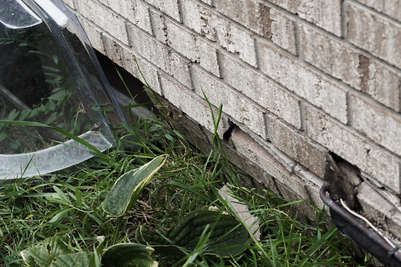
Another problem that hydrostatic pressure can prey on is ground-level windows. Some basements have these windows, which allow sunlight into the area and make it easy to leave the basement if necessary.
However, if done improperly, these ground-level windows can be the perfect place for basement leaks. If you just use a typical window instead of a special basement egress window, it’s probably not going to stand up well to rain and snow. That means you’ll start seeing water leaking through it.
There are many ways to waterproof a ground-level window. If you do it right, you won’t have to worry about your basement leaking through your window, which can help alleviate the hydrostatic pressure in your basement.
Groundworks
Who is the Groundworks Editorial Team? We're a small team of writers and researchers who spend our days digging into foundation repair, crawl spaces, and everything else that keeps a house standing. We work closely with Groundworks' field experts to make sure what we publish holds up — because when it's your home on the line, "probably right" isn't good enough.