Concrete slab foundations are common in the Southern U.S. because they are affordable and easy to install. If your home is built on a slab foundation or you’re considering purchasing a home with this foundation type, it’s essential to understand the pros, cons, and available repair methods for slab foundations.
This page explores the facts you need to know.
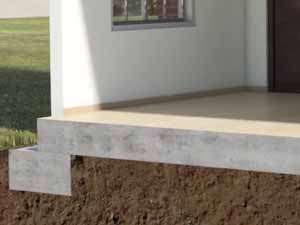
A slab foundation is a type of home foundation in which a thick concrete slab is poured directly onto the ground, serving as the foundation and floor of the house. This application eliminates the need for a basement or crawl space. Slab foundations are standard in warmer regions like Texas and Florida.
A slab foundation is formed of concrete and reinforced with steel rods. It is laid over soil-based areas and typically measures four to eight inches thick, with thicker edges adding perimeter strength. The single-piece concrete slab is poured all at once. After the foundation slab cures, the home is built directly on top.
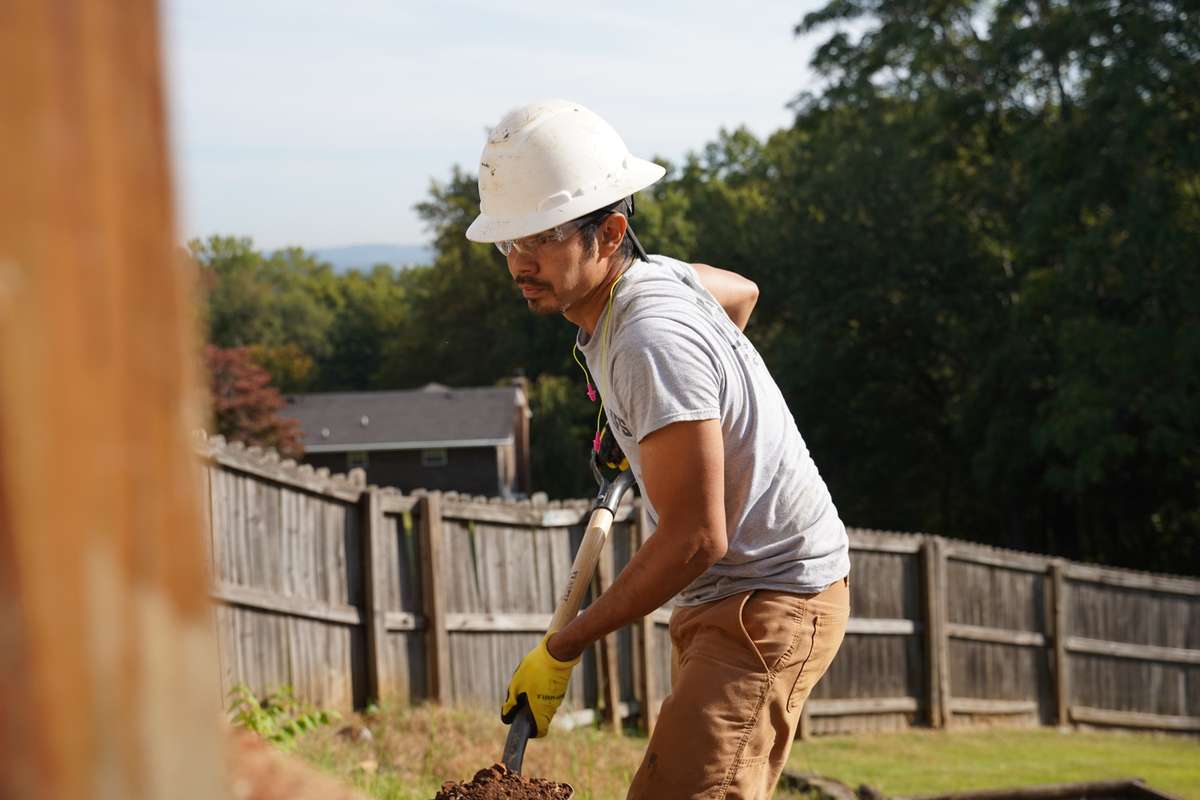
Slab foundations offer a faster construction process than basements but require thorough preparation before the concrete pouring. Here are the installation steps:
Foundation repair experts use post-tension cables and steel rods to reinforce the slabs, making them sturdy and capable of bearing the structure’s weight. The slab is also placed on a layer of sand to provide cushioning and improve drainage conditions. During construction, it’s best for slab foundation to be built on the proper type of soil to prevent shrinking or settling. Often, this doesn’t happen.
There are many benefits to having a slab foundation, including:
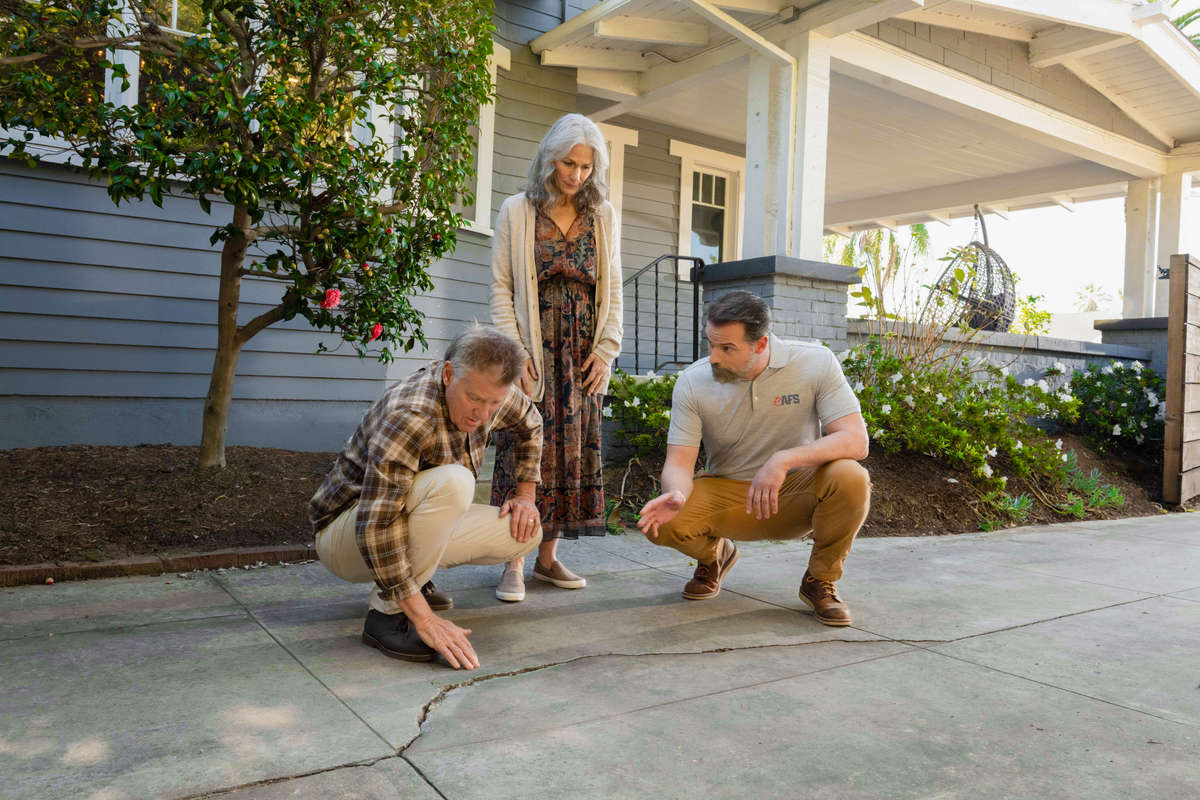
Slab foundations also come with disadvantages, including:
Slab foundations offer many homeowners an affordable and efficient solution. By understanding the pros and cons of slab foundations and the available repair methods, you can make informed decisions about your home’s foundation.
The cost to repair a sunken concrete slab depends on factors such as the slab’s size, the extent of the settlement, and the repair method needed. Because every project is different, a professional inspection is the best way to determine the appropriate solution and provide an accurate estimate.
It is generally recommended to have your foundation inspected at least once every few years, especially if you notice any signs of foundation problems such as cracks in the walls, uneven floors, or doors and windows that stick. Regular inspections can help identify any potential issues early on and prevent them from escalating into more significant problems. Additionally, if you live in an area with unstable soil or experience extreme weather conditions, more frequent inspections may be necessary.
Our innovative PolyRenewal™ concrete lifting system is versatile and can be used on a range of concrete surfaces—from outdoor patios and driveways to garage floors and interior slab floors. Our foundation repairs are also tailored to your specific foundation, whether it’s a basement, crawl space, or slab. Contact JES Foundation Repair to schedule a free inspection and estimate to determine the right repairs for your home.

Groundworks Editorial Team