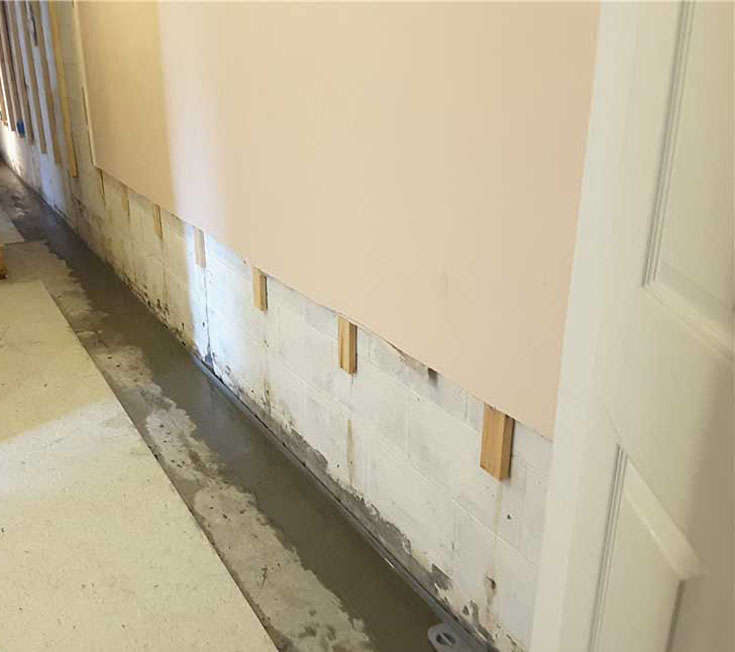

Interior Warning Signs
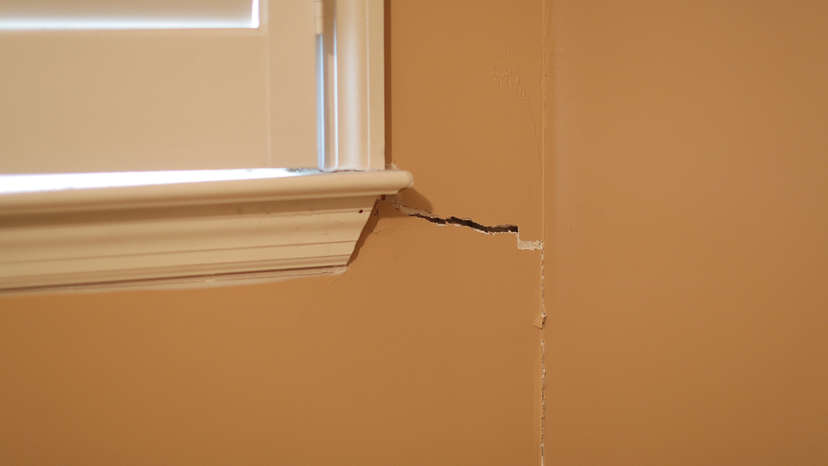
When you buy a home, foundation problems are the last thing on your mind. You’re focused on moving in, settling down, and making the space your own. But over time, small signs of damage, like cracks or sticking doors, can appear, and many homeowners ignore them until the problem becomes too big to overlook. The truth is, foundation damage rarely fixes itself. The longer it’s left alone, the worse it gets and the more expensive it may become to repair.
Whether you’ve noticed minor settling or cracks, this guide covers the essentials of foundation repair in Virginia to help you protect your home and investment with confidence.
Foundation repair involves restoring the structural integrity of a home’s base by addressing settlement, shifting, or cracking. Solutions vary depending on the foundation and soil type and the extent of the damage. Early detection and proper repair preserve your home’s value and protect your family.

Many homeowners fear that any sign of damage means major, costly repairs, but not all foundation issues are severe. Minor issues do not always indicate structural failure, but identifying the cause of the problem will help determine the best way to repair house foundation damage effectively.
Several factors contribute to the need for foundation repair in Virginia:
Identifying the cause of foundation damage early often leads to simpler and more affordable repairs. However, you do not need to call a professional at the first sign of a problem. There are several DIY inspection steps you can take before deciding to contact a foundation house repair expert.
Don’t worry. You do not need to call a professional at the first sign of foundation trouble. Start with a simple DIY foundation inspection. Use the checklists below to evaluate your foundation’s condition and take steps to prevent further damage.


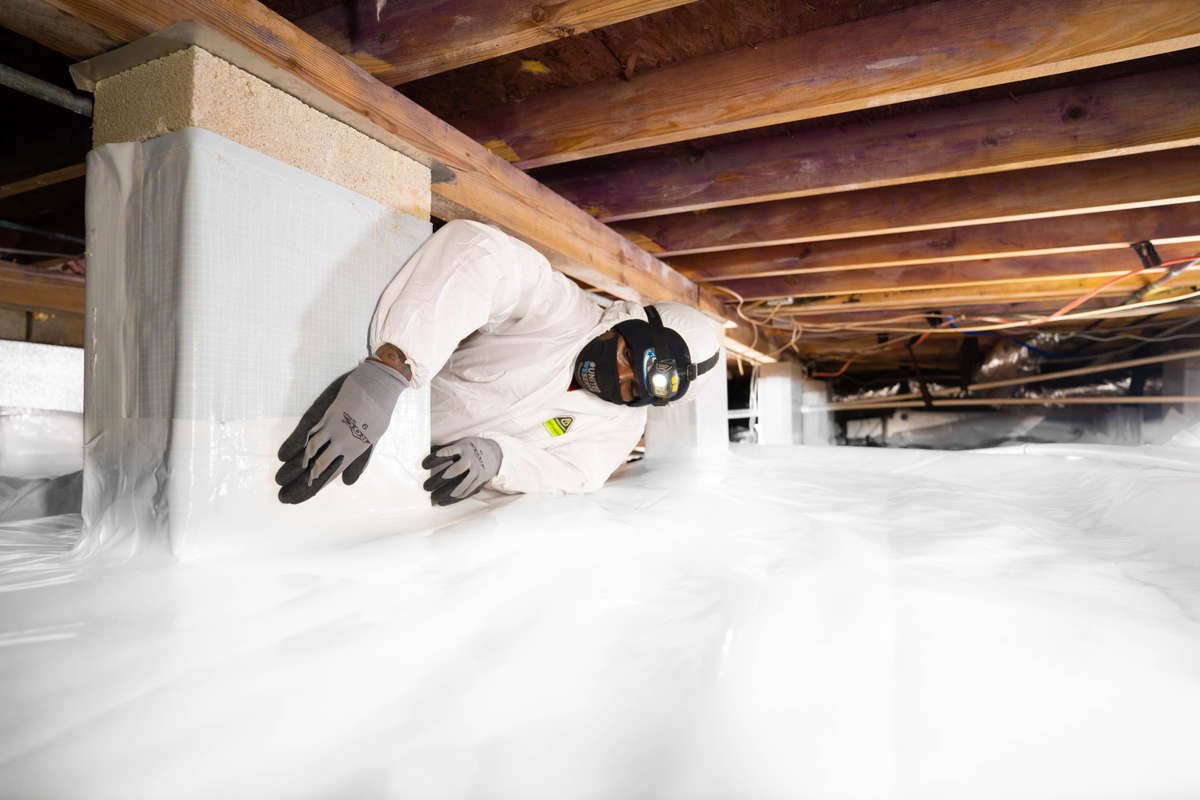
The best solution for house foundation repair depends on the type of damage and how your home was built. Below are some of the most common methods used for foundation house repair.
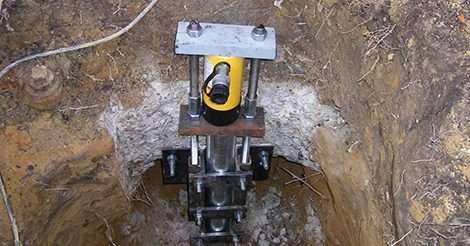
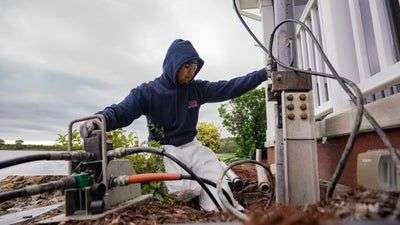
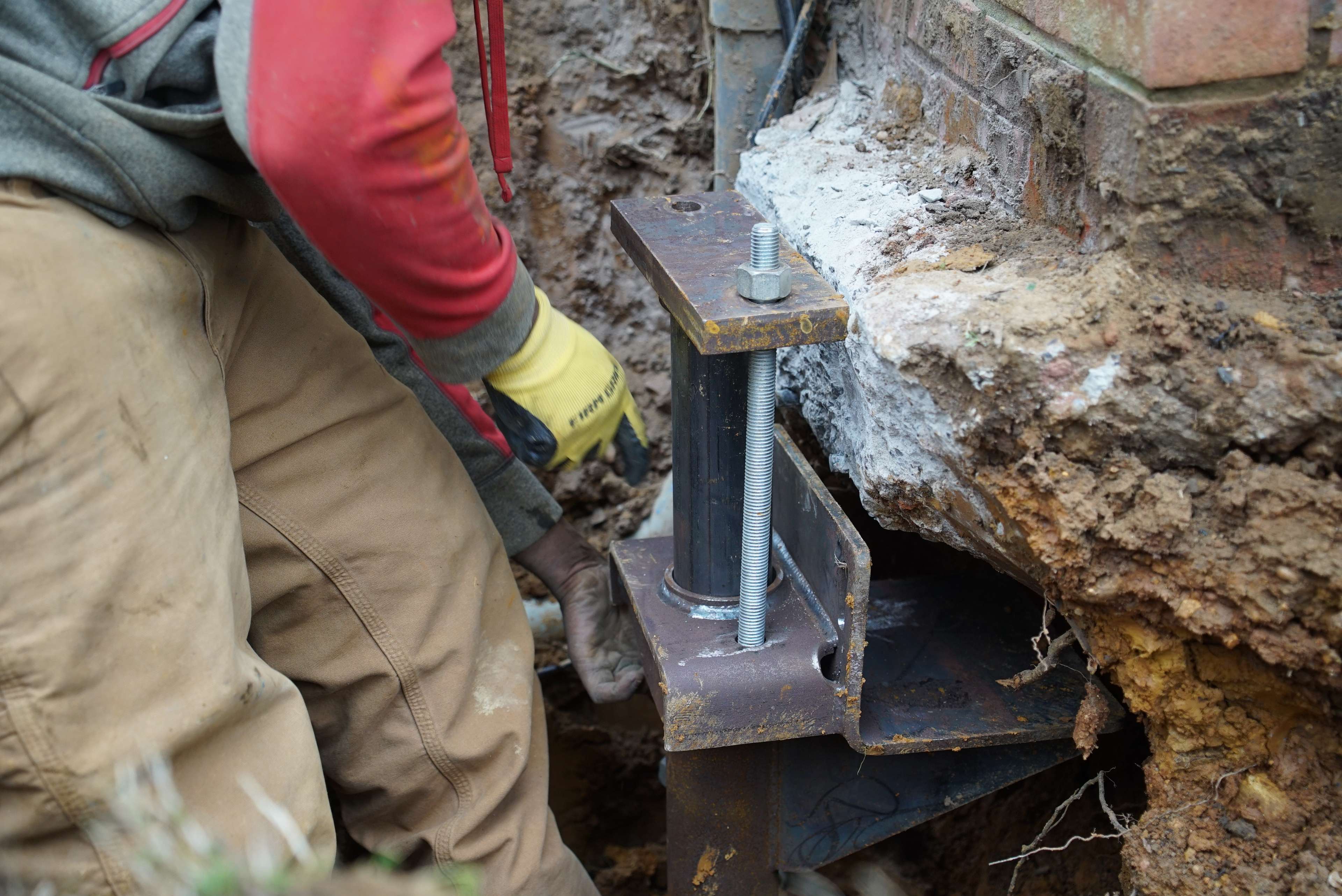
Foundation piers stabilize and lift settling foundations:
Support jacks reinforce sagging indoor floors by supporting weakened crawl space beams.

Foundation wall repair systems stabilize bowing or cracked foundation walls:
The foundation crack repair method used varies based on the severity of the crack and where it is located. Many times, epoxy is used for minor hairline cracks, while polyurethane foam is used for major concrete damage repair and lifting.
When seeking a reliable foundation repair expert in Virginia, look for:
Still unsure? Contact JES Foundation Repair. We provide free, no-obligation inspections to ensure you receive the reliable home care and service you deserve.
If you think you need house foundation repair, don’t wait. Early inspection can help you avoid more costly repairs in the future.
Contact JES, your local expert in foundation house repair. We understand Virginia’s unique soil, climate, and construction challenges and offer free inspections and long-term solutions tailored to your home’s needs.
With over 30 years of experience serving homeowners across Virginia, DC, Maryland, West Virginia, and North Carolina, we look forward to helping you, too.
JES Foundation Repair offers a range of foundation repair solutions tailored to different types of foundation issues. Some of the solutions they provide include helical piers, slab piers, carbon fiber repairs, crawl space encapsulation, and basement waterproofing. Their team of experts will assess the specific needs of your foundation and recommend the most suitable solution.
It is generally recommended to have your foundation inspected at least once every few years, especially if you notice any signs of foundation problems such as cracks in the walls, uneven floors, or doors and windows that stick. Regular inspections can help identify any potential issues early on and prevent them from escalating into more significant problems. Additionally, if you live in an area with unstable soil or experience extreme weather conditions, more frequent inspections may be necessary.
Yes, push piers are designed to stabilize and lift settled foundations. They are installed beneath the foundation and driven deep into the ground until they reach stable soil. Once in place, the piers can be used to lift the foundation back to its original level by exerting hydraulic pressure.
Groundworks
Who is the Groundworks Editorial Team? We're a small team of writers and researchers who spend our days digging into foundation repair, crawl spaces, and everything else that keeps a house standing. We work closely with Groundworks' field experts to make sure what we publish holds up — because when it's your home on the line, "probably right" isn't good enough.