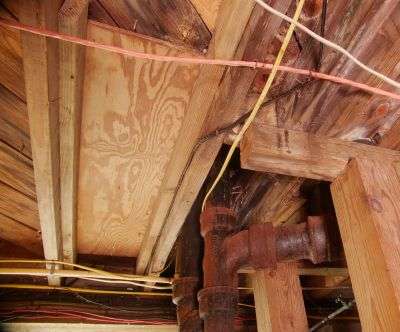
Roughly 15% of new single-family homes in the U.S. have a crawl space foundation. This area between the ground and the house allows convenient access to plumbing, electrical, and HVAC systems.
However, crawl spaces require proper moisture control and insulation to prevent mold growth and maintain energy efficiency. This page explores crawl space facts and steps to ensure a dry and healthy home.
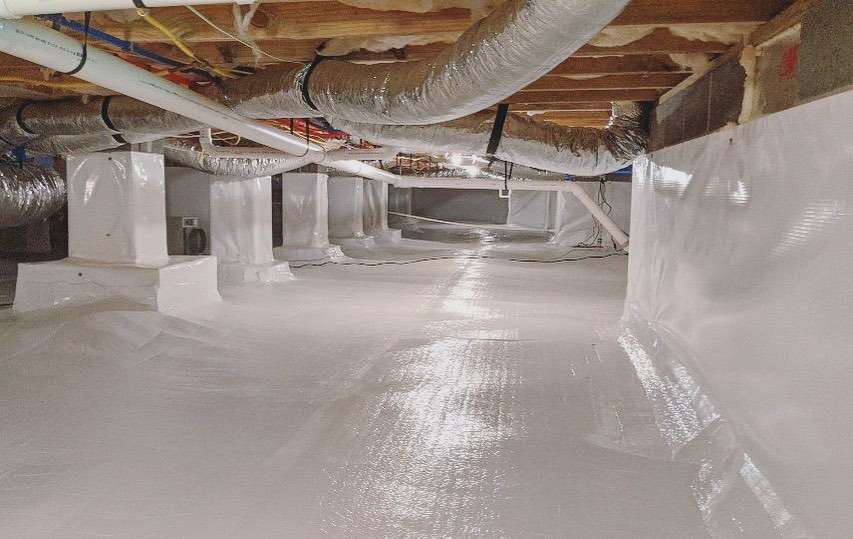
A crawl space is a shallow area beneath a house, usually only accessible by crawling. It creates a buffer zone between the home and the ground. Crawl spaces provide convenient maintenance and repair access to pipes, wires, and HVAC systems. However, to prevent problems, crawl spaces require moisture control and insulation.
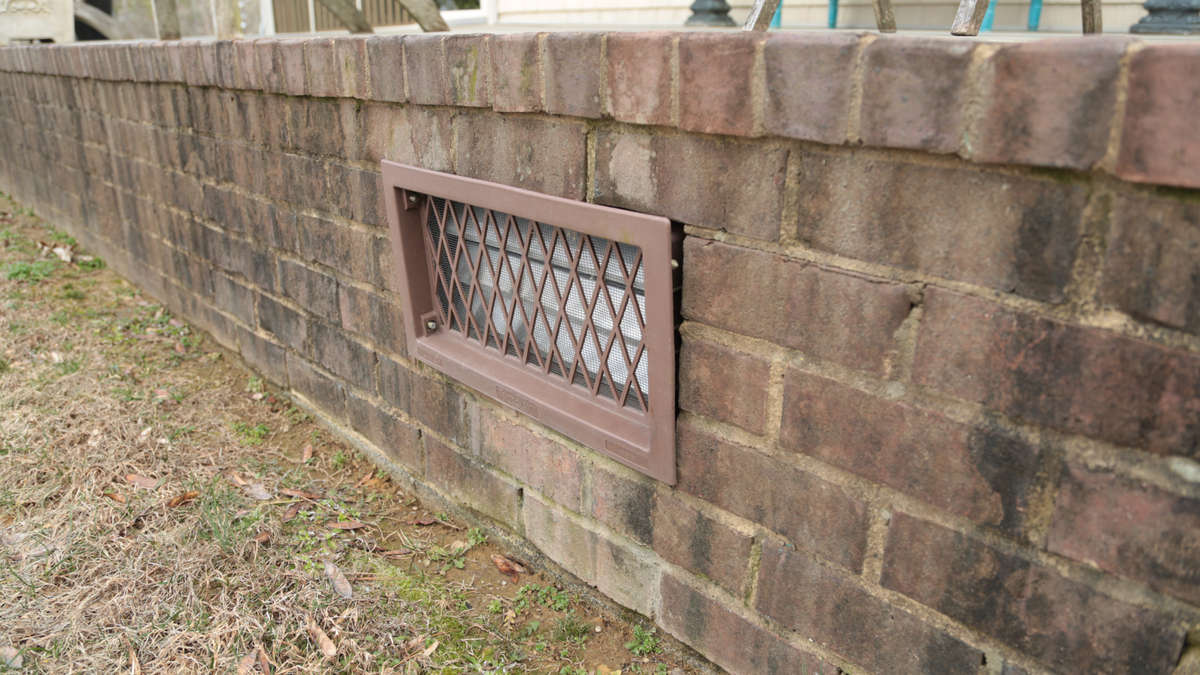
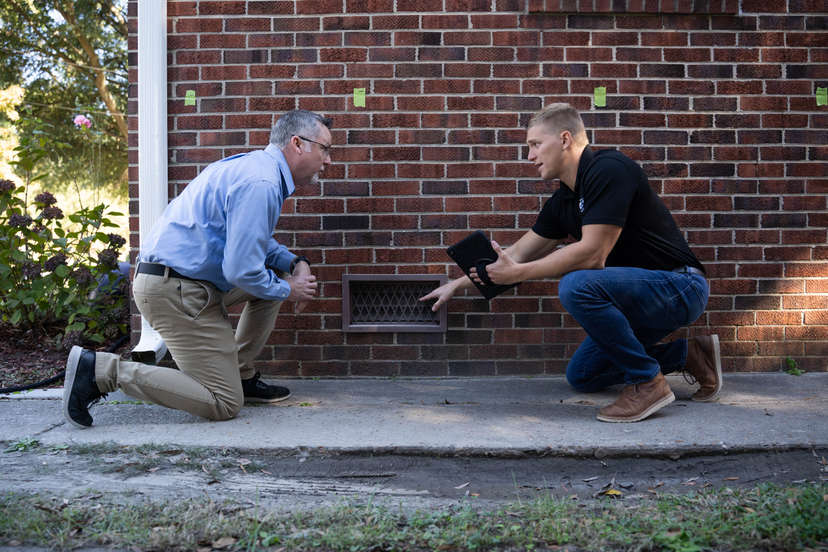
Crawl space ventilation is crucial in maintaining a healthy and energy-efficient home. However, the requirements vary depending on your location and the building code. Here’s a breakdown of standard practices:
The minimum vent area for vented crawl spaces typically falls between 1 square foot per 150 square feet of crawl space area, as specified by the International Building Code, and 1 square foot per 500 square feet. Always refer to your local building code for the exact requirements. The presence of a vapor barrier, usually 6-mil in thickness rather than 20-mil, can impact the vent area calculation in some codes.
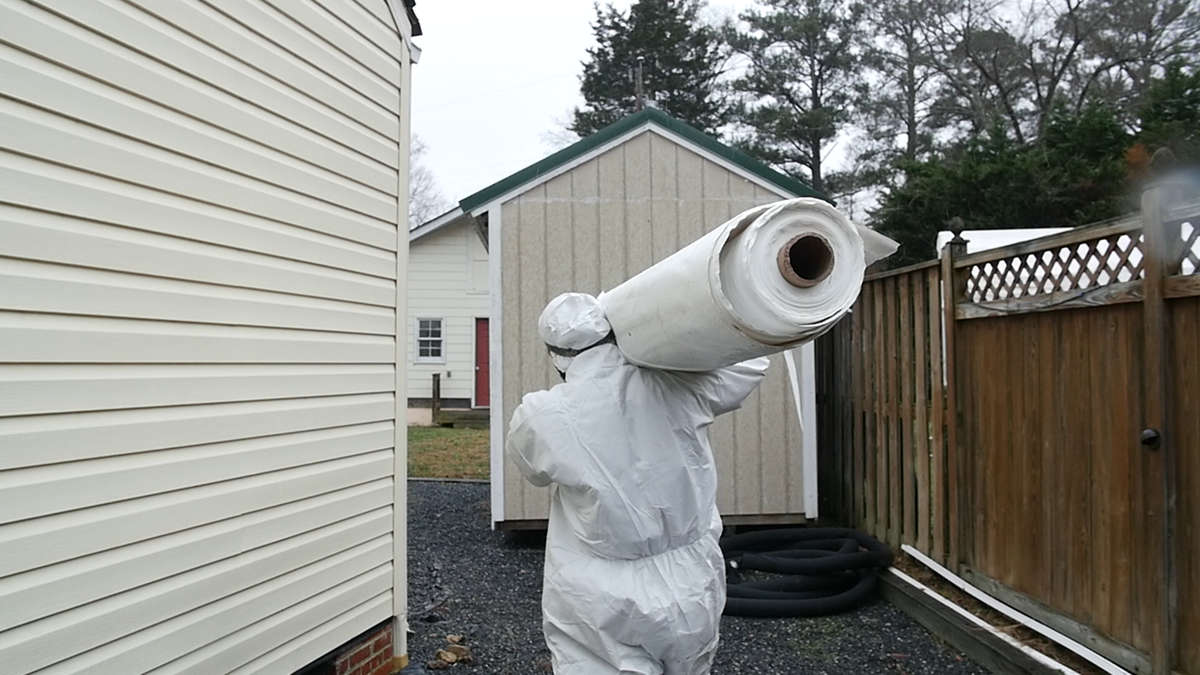
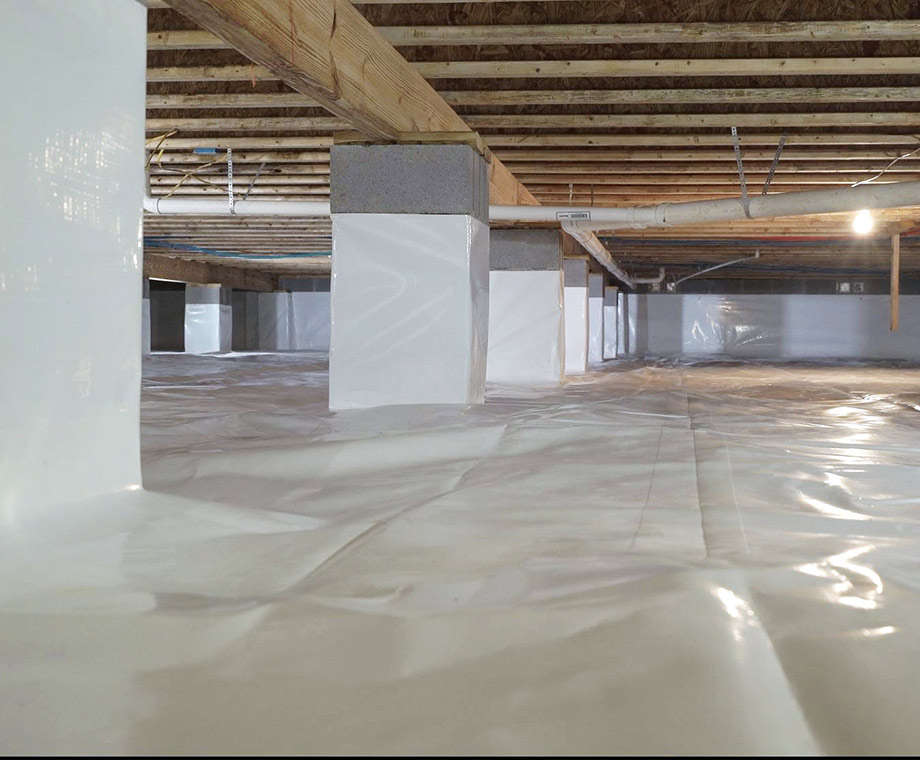
Unvented crawl spaces require a Class I vapor barrier with carefully sealed overlaps, typically extending 6 inches up the foundation wall, to prevent moisture from migrating into the living space. Moisture control methods include continuously operating exhaust systems, although they are not always mandatory.
Local codes might permit alternatives such as dehumidification systems. Additionally, direct access to conditioned air from the house might not be required in all areas, as some codes allow dedicated dehumidification systems as an alternative.

Crawl spaces elevate the home, typically with a minimum clearance of 18 inches, but sometimes higher. Their construction involves the following:

Crawl space foundation costs rely on two factors: the size of the house and the materials used for construction. Larger homes require more building materials and labor than smaller ones, increasing overall expenses.
Crawl space foundation costs are also affected by the home’s square footage. The choice of materials, like concrete, insulation, and vapor barriers, also impacts the project’s total cost. Contact a foundation repair expert like JES for a free inspection and no-obligation price quote.
Crawl space foundations have many advantages over other foundation types, including:
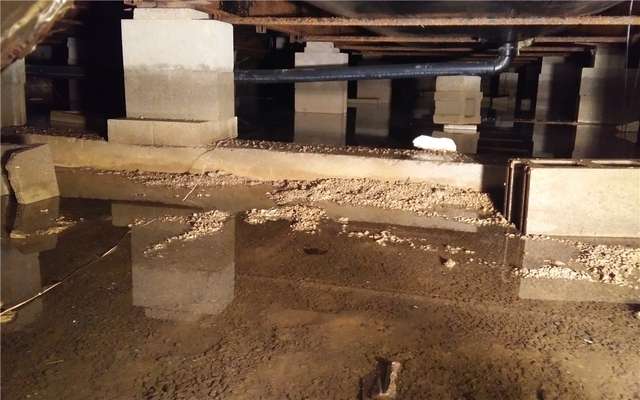
Crawl space moisture must be addressed to prevent related problems and damage, making encapsulation solutions essential. Contact JES Foundation Repair for a free inspection to learn more.
Architects and building contractors consider the following factors when recommending crawl spaces vs. slab foundations:
Crawl spaces adapt well to uneven lots. Adjusting the length of support piers can create a level platform for the home; a feature slab foundations cannot offer.
Crawl spaces can be better than slab foundations in areas with expansive soils. This soil type shrinks and swells with moisture changes. A properly designed crawl space accommodates these movements with less risk of foundation cracking.
Crawl space encapsulation protects your home from moisture-related issues, improving indoor air quality and energy efficiency. Investing in this comprehensive solution creates a healthier living environment for your family and prevents costly structural damage.
Don’t wait until problems arise – contact JES today to schedule your free inspection and take the first step towards a safer, drier, and more comfortable home! Visit our local service area page to find JES Foundation Repair in your neighborhood. We proudly serve Virginia, DC, Maryland, and parts of West Virginia and North Carolina.
The duration of the project varies based on the crawl space size, the extent of existing damage, and the specific solutions implemented. Most encapsulation projects take between one and three days to complete, including moisture control, insulation, and sealing. JES Foundation Repair teams work efficiently to ensure your crawl space is fully protected on schedule. Contact us for more information and to schedule a free inspection.
What if your main problem is residual moisture and not standing water? High crawl space moisture can lead to serious problems like high indoor humidity and condensation. This often needs a much more robust response, like a dehumidifier.
The cost varies based on your crawl space’s size, condition, and the solutions required. JES Foundation Repair offers a precise quote after a comprehensive, free inspection. We provide transparent pricing and various financing options to fit your needs.
Groundworks
Who is the Groundworks Editorial Team? We're a small team of writers and researchers who spend our days digging into foundation repair, crawl spaces, and everything else that keeps a house standing. We work closely with Groundworks' field experts to make sure what we publish holds up — because when it's your home on the line, "probably right" isn't good enough.