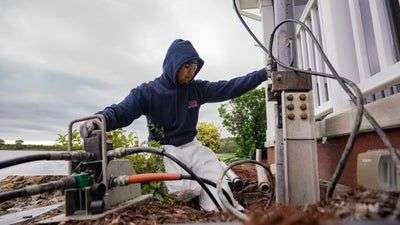
When tree roots start to move towards your foundation, they can put your home’s structural integrity at risk. Luckily, you can have these roots removed so as to better protect your foundation.
It’s not always easy to determine whether or not your foundation damage is the result of a wayward root system. That’s why it’s especially important to consider the damage symptoms you’re seeing in your basement and home before acting. A professional basement and foundation repair contractor working out of the Roanoke, VA, area will be able to tell you whether or not your damage is root-based after a home inspection.
Some of the signs a contractor will look for while inspecting your home may include:
Luckily, you don’t have to let root systems get the better of you. The contractor who inspects your home will be able to advise you as to which of the available solutions may best suit your situation. Some of the most common ways that homeowners can rid themselves of a root problem include:
Using herbicide to kill off invasive root systems is one of the easiest ways to both eliminate and prevent root-based foundation damage. That said, if you overuse herbicide on a tree’s root system during trimming, you risk killing the whole tree. If you do want to move forward with chemical trimming, you’ll want to make sure that the herbicide you use is less than 41 percent concentrated. This way, you can spot-treat for roots while still preserving your tree.
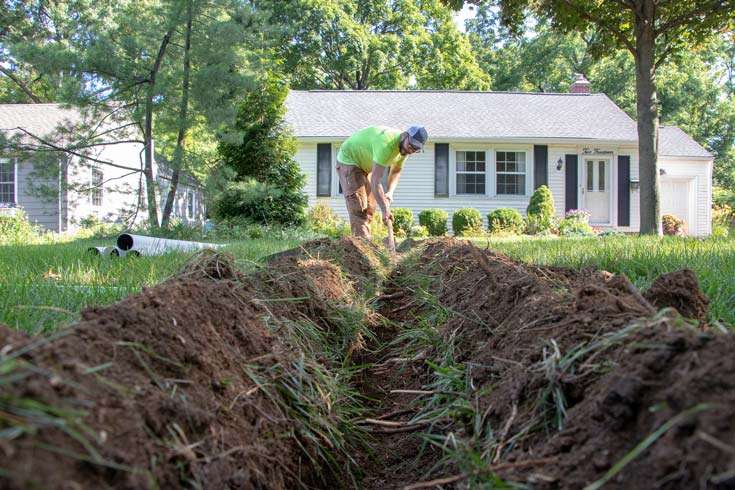
If you’re not interested in chemical trimming, you can always physically trim back a tree’s root system. This process is physically laborious and will require you to track a tree’s roots either on your own or with the help of a professional. Once you’ve identified the roots that are shifting the soil around your home, you’ll need to dig them up and cut them off with a shovel or pickaxe.
Unfortunately, there are some times when root trimming won’t serve to protect your home. In these cases, it’s often best to remove the offending tree in its entirety. You can do this one of two ways. If you want to preserve the tree in question, you can transplant it with the help of a professional. Alternatively, if you’d rather wash your hands of the problem, you can cut the tree down at its trunk and use the aforementioned herbicide to get rid of its root system entirely.
Looking to get ahead of your trees’ root systems? You can actively protect your home from shifting soils using any of the following tricks:
If you’re in the midst of a landscaping project, make sure you’ve chosen your trees, shrubs, and hedges wisely. You’ll want to keep larger plants at least 20 feet away from the perimeter of your home if you want to prevent their root systems from interacting with your foundation. If at all possible, try to avoid planting trees with invasive root systems. These include American elms, willow trees, hybrid poplars, and silver maples.
It’s always best to waterproof your basement and foundation, even if there aren’t trees close to your perimeter. When you take advantage of the different waterproofing methods at your disposal, you’ll prevent not only internal leaks but foundation shifting as well. While most waterproofing measures won’t push tree roots away from your home, they will protect your home against unnecessary settling and gathering hydrostatic pressure.
If you’re concerned about root systems in particular, you can always invest in a root barrier. These barriers can be physical walls between your foundation and roots or chemical barriers that dissuade plant growth. Either way, these barriers pair well with various waterproofing measures.
Do you want to protect your home from the trees in your yard? Get in touch with a foundation and basement repair professional like JES right away. We’ll evaluate your property during a free inspection and provide you with a no-obligation quote on any services you may need to protect your foundation.
Groundworks
Who is the Groundworks Editorial Team? We're a small team of writers and researchers who spend our days digging into foundation repair, crawl spaces, and everything else that keeps a house standing. We work closely with Groundworks' field experts to make sure what we publish holds up — because when it's your home on the line, "probably right" isn't good enough.