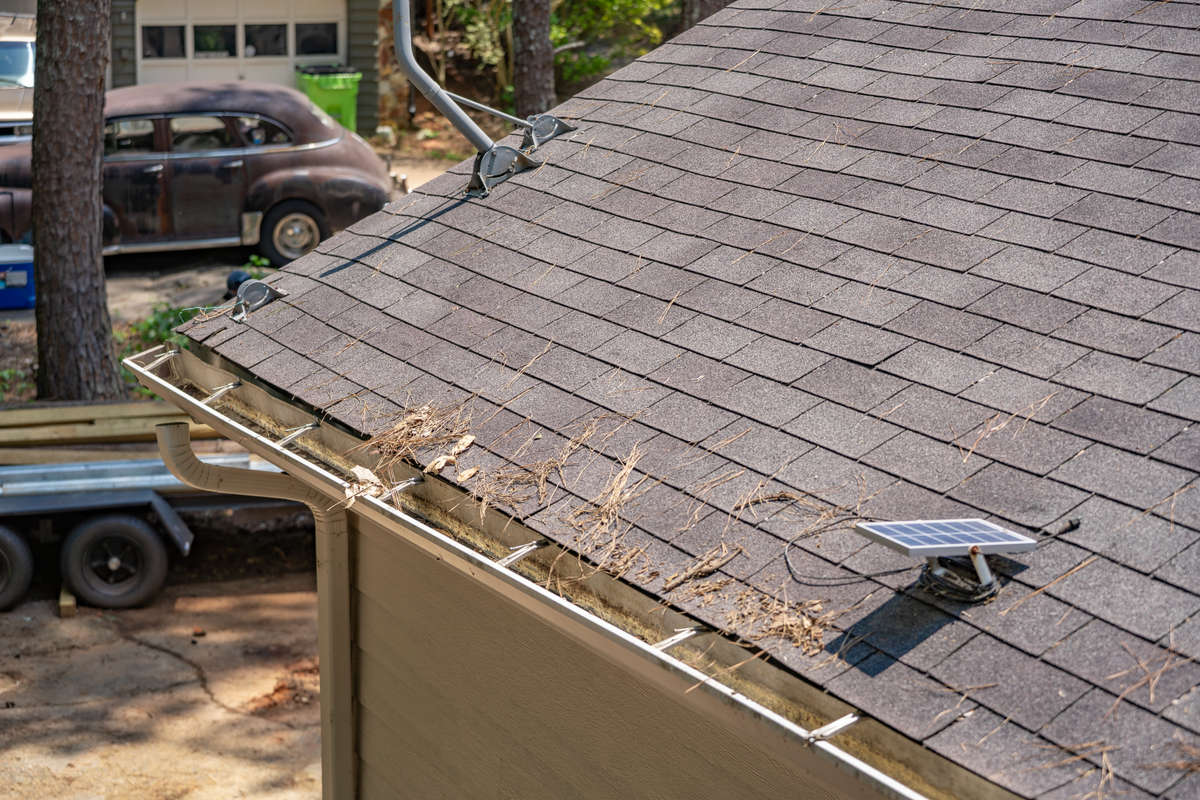
Gutters are the simplest part of the waterproofing system. There’s no high-end technology behind them; they are just open-ended pipes set at the lower edge of the roof. Yet, the role they play in keeping the home dry is essential. Gutters collect roof water and direct it away from the home, where it can’t cause damage.
Homeowners need to maintain their gutters and keep them running smoothly. When you notice leaks in your gutters, it’s important to address the problem right away and identify the cause. That will prevent further, more complex damage to your home.
Identifying the source of a leak in your gutters can often be straightforward. By tracing the leak and conducting a thorough inspection, you can typically determine the cause. However, being familiar with a few usual indicators of gutter issues can enhance your detection capabilities. By recognizing and understanding these signs, you’ll be able to efficiently diagnose the cause of the leakage.
Even gutters of the highest quality can get damaged over time. Small cracks and holes are enough for the gutters to start leaking, since water will find its way through them and damage the home or run along the outside.
When you notice a leak, the first thing to do is to look for the cracks. If you can’t find them, use a garden hose to spray water into the gutter and follow the leak from the underside.
When joints aren’t sealed properly during installation, they tend to leak. Joints will also separate over time, and water will pour through the cracks. It’s important to check the gutters where the sections are connected and look for leaks in this area.
Again, it may be useful to use a hose to pour water into the gutters and inspect for the leak while the gutters are full and running over, so you can find it quickly.
Gutters need to be sloped downward so that water flows. It’s simple enough to notice a problem with the slope. The water will remain trapped in the gutters, and they will start to bend and sag under its weight.
Hangers, nails, and screws are used to secure the gutters to the roof. They are driven through the gutter and into the fascia boards. When these fasteners become loose, the gutter shifts and water drips through the hole.
Since water will run down the fascia board, it may rot over time. It’s best to address the issue quickly before it causes further damage. That way, you will only need to invest in fixing the gutter itself, not in repairing the damage caused by water dripping from it.
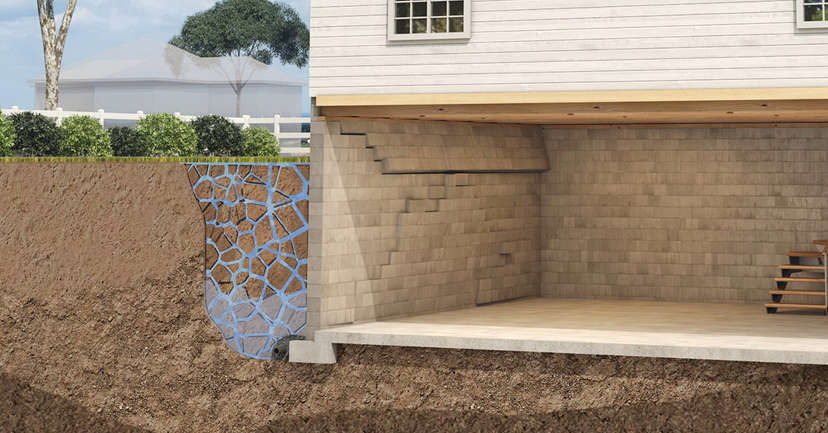
Leaking gutters are more than just a minor inconvenience; they can lead to a host of problems for homeowners. When functioning properly, gutters direct rainwater away from your home’s foundation, helping prevent many issues. However, when they leak, they can cause significant damage over time. Here are several reasons why leaking gutters pose a serious problem:
There are ways to fix the problem without removing the gutters entirely. Here, we will discuss a few ways to fix leaky gutters (depending on the cause of the problem).
Unclogging the Gutters
When a clog causes water to overflow from the gutters, your primary action should be to remove it. Ensure your hands are safely shielded with work gloves to protect against any debris. Employ basic tools like a gutter scoop or a small trowel, or even your hands, to extract the clutter from the gutter. Once gathered, deposit the debris into a trash bin and dispose of it from the vicinity once completed.
To finalize the cleaning, consider using a garden hose or a power washer. This can effectively rinse away residual, smaller debris and dirt lodged within the gutters
How to Seal the Cracks
When the gutters are cracked and water is pouring through them, it’s best to start by assessing the severity of the problem. If the cracks aren’t too large and there’s not too much damage, they can be sealed. This is done using gutter caulk or silicone sealant.
However, when the damage to the gutters is too severe and cracks cannot be sealed, a homeowner will have to install new ones.
How to Fix the Joints
Loose joints are another common cause of gutter leaks, and when this is the case, it’s best to replace the sealant that can no longer keep the gutters watertight. If this isn’t an option due to severe damage, the whole joint needs to be replaced.
How to Fix the Loose Fasteners
When the gutters are leaking due to fastener issues, the best course is to replace them altogether. It’s especially important to do so if they have started to rot. It’s also useful to apply caulking and sealant to the fasteners; in some cases, you won’t need to go through the trouble of replacing them.
How to Fix the Sloped Gutters
If your gutters are not properly inclined and appear weighed down by accumulated water, the most effective solution is to remove them. You can then rehang the gutters appropriately to prevent the issue from recurring.
How to Maintain Gutters
As a homeowner, dedicating time to gutter maintenance is as crucial as caring for any other part of your home. By doing so, your gutters remain in excellent condition, ensuring their durability and effectiveness. Sometimes this simply involves carefully cleaning the gutters at least twice a year.
Keeping your roof clean also significantly helps maintain your gutters’ functionality. However, the true secret to extending your gutters’ lifespan lies in conducting thorough roof inspections.
If you are worried that your leaky gutters have damaged your foundation, contact the professionals at JES to schedule a free inspection.
You can improve foundation drainage by keeping gutters and downspouts clear, grading the yard so water flows away from the home, and addressing any existing foundation damage. Interior drainage systems, sump pumps, and other waterproofing solutions may also help manage water around the foundation. A free, professional inspection can determine the best repairs for your home’s drainage issues.
Not necessarily. However, cracks, especially those that are widening or horizontal, can become entry points for moisture over time. Even if they’re not causing issues now, they might in the future. Regularly inspecting and addressing cracks early can prevent larger problems down the road. Contact JES Foundation Repair for an assessment of any cracks or potential vulnerabilities in your basement.
Yes, ensuring the ground around your home slopes away from the foundation can help prevent water buildup. It’s essential to keep gutters clean and ensure that downspouts direct water at least 5 to 10 feet away from the foundation. Proper landscaping can significantly reduce the risk of water intrusion.
Groundworks
Who is the Groundworks Editorial Team? We're a small team of writers and researchers who spend our days digging into foundation repair, crawl spaces, and everything else that keeps a house standing. We work closely with Groundworks' field experts to make sure what we publish holds up — because when it's your home on the line, "probably right" isn't good enough.