The crawl space can indeed influence the temperature of your home during the summer.
In fact, if not properly insulated or ventilated, a crawl space can contribute to increased indoor temperatures a lot. During the summer, the air in an unventilated crawl space can become extremely warm and humid. This warm air seeps into your home, thanks to the stack effect, raising the overall temperature and making your living spaces uncomfortably hot.
Additionally, moisture from the crawl space can increase humidity levels inside your home, which can make the air feel warmer than it actually is. Properly insulating and ventilating your crawl space can help mitigate these effects, keeping your home cooler and more comfortable during the hot summer months.

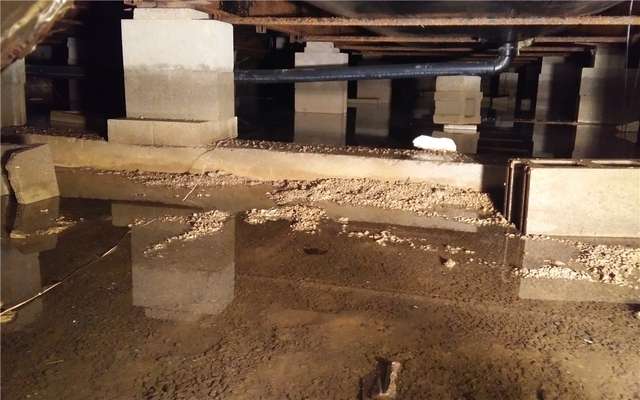
Your main concern is what a hot summer and exposed crawl space with a dirt floor can do to your home and health. This potent combination encourages wood rot, fosters mold growth, and threatens the health and safety of your loved ones. High humidity levels in the crawl space also cause porous concrete or material to absorb moisture from the air like a sponge.
A lot of warm air rises and enters the crawl space during the summer months. As the air moves, a vacuum is created, and new air moves to replace it. Almost 50% of this air gets into your home. If the crawl space air is musty or filled with mold spores, dust mites, or pollutants, it will affect the quality of life indoors. You may experience more coughing, asthma bouts, itchy eyes, and allergies.
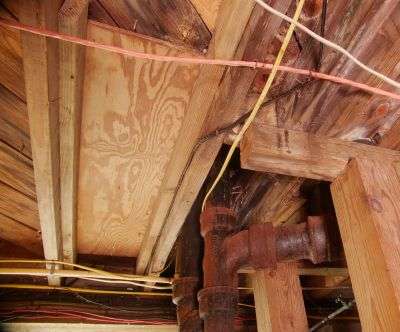
Moisture can also damage the insulation in the crawl space and jeopardize your efforts to keep the crawl space warm, especially if it is fiberglass insulation. Fiberglass is just like a sponge. When moisture builds up, the insulation material soaks water and becomes weighed down. This causes it to sag and fall off.
Wood moisture content and relative humidity go hand in hand. When the crawl space becomes damp, wood also becomes damp and starts rotting, rendering the underlying support structures useless.
Summer months aren’t just notoriously hot, but extremely humid. Moisture levels can shoot up drastically and remain above 60% for days. This sets the stage for crawl space condensation, a situation where warm and moist air from the outside gets inside and comes into contact with cold air.
As a result, water droplets form on the crawl space surfaces, specifically walls and floor. For every degree warm air cools, crawl space humidity increases by 2.2%. It’s not unusual for relative humidity to go up to 90% on some days.
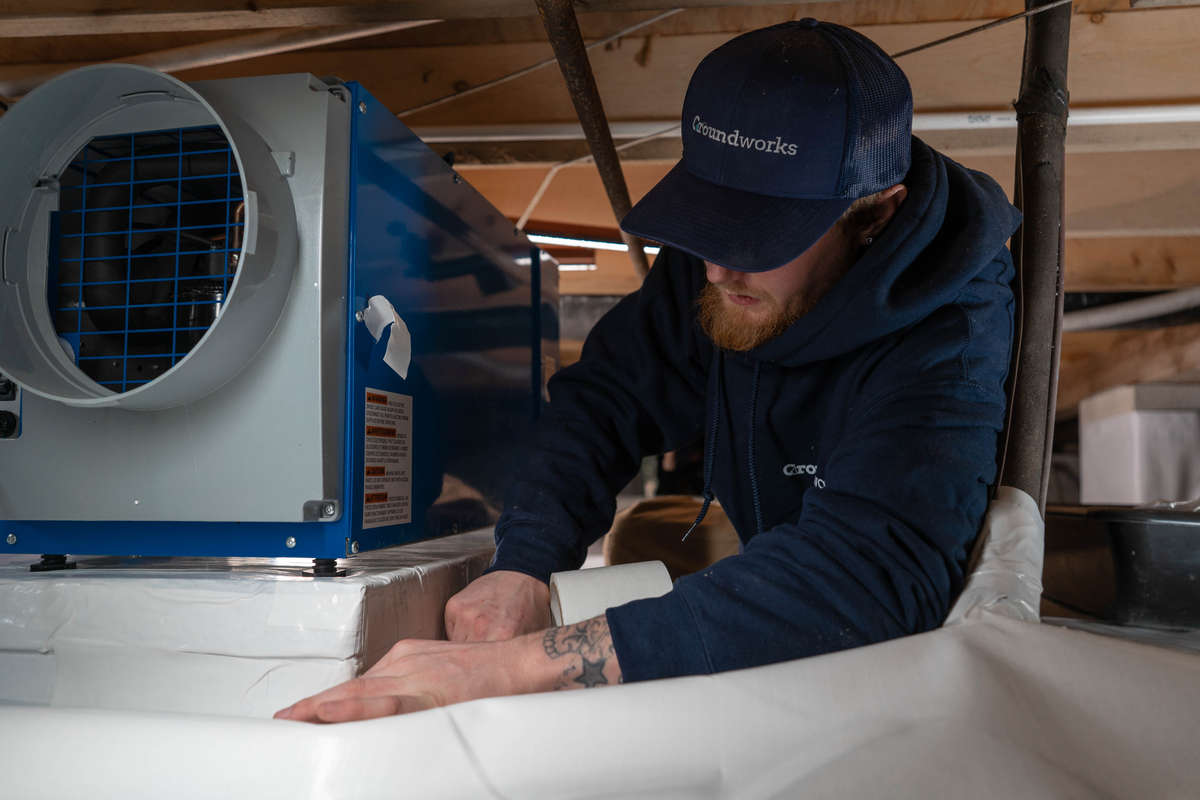
Sealing vents, encapsulating the crawl space, and insulating the crawl space are the surest ways of creating an ideal below-grade area and maintaining a comfortable home. Sealing locks out moisture-laden air from the outside while insulation ensures the crawl space air doesn’t escape to the outside. The result is a clean, dry, and temperature-controlled space.
Crawl space dehumidification also is a great way to improve the air below and throughout your home. An energy-efficient dehumidifier will clean and filter the air, control moisture and humidity, and reduce odors and the potential for mold growth.
If you’re experiencing crawl space issues, particularly constant condensation, this is the right time to have it resolved for good. Otherwise, problems will mount and the situation will get worse. Your crawl space should remain temperate and properly insulated all year round so as to create a comfortable living space above.
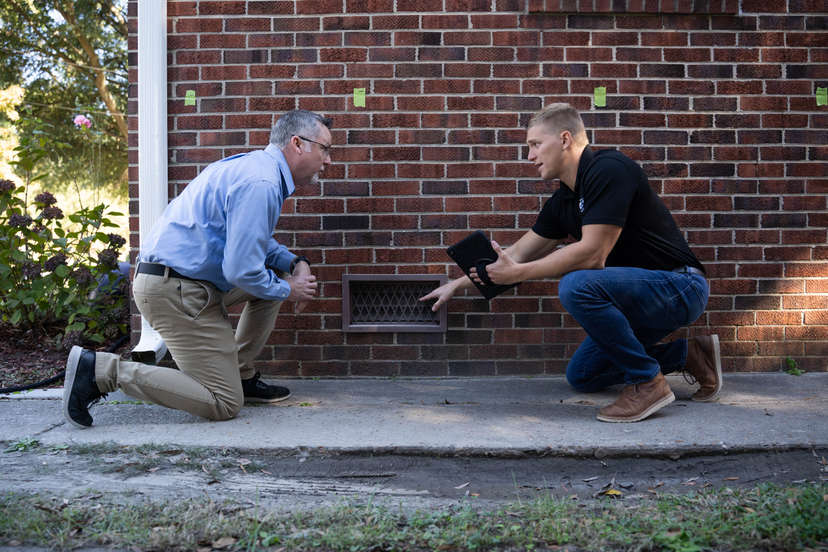
Get in touch with JES Foundation Repair for a free crawl space inspection. Our experts will recommend lasting solutions to your perennial moisture issues in summer.