
1. Remove Insulation & Clear Debris

Most crawl spaces have fiberglass insulation which doesn’t fare well when moisture gets below your home. Often, the insulation will begin to sag or fall down entirely, as you can see here.
What’s the first thing you think of when you hear “crawl space?” Maybe images of a dark, humid, potentially creepy place come to mind, or maybe you have memories of getting in there and crawling through the dirt just to check something under your home.
Unfortunately, an unprotected crawl space isn’t a very pleasant place, and without the proper protection, your crawl space could end up looking just like this:
Understanding why encapsulation is important and how it works is beneficial for any homeowner, and JES would like to share some insider knowledge about the process with you. That way, you can make an informed decision regarding your crawl space.
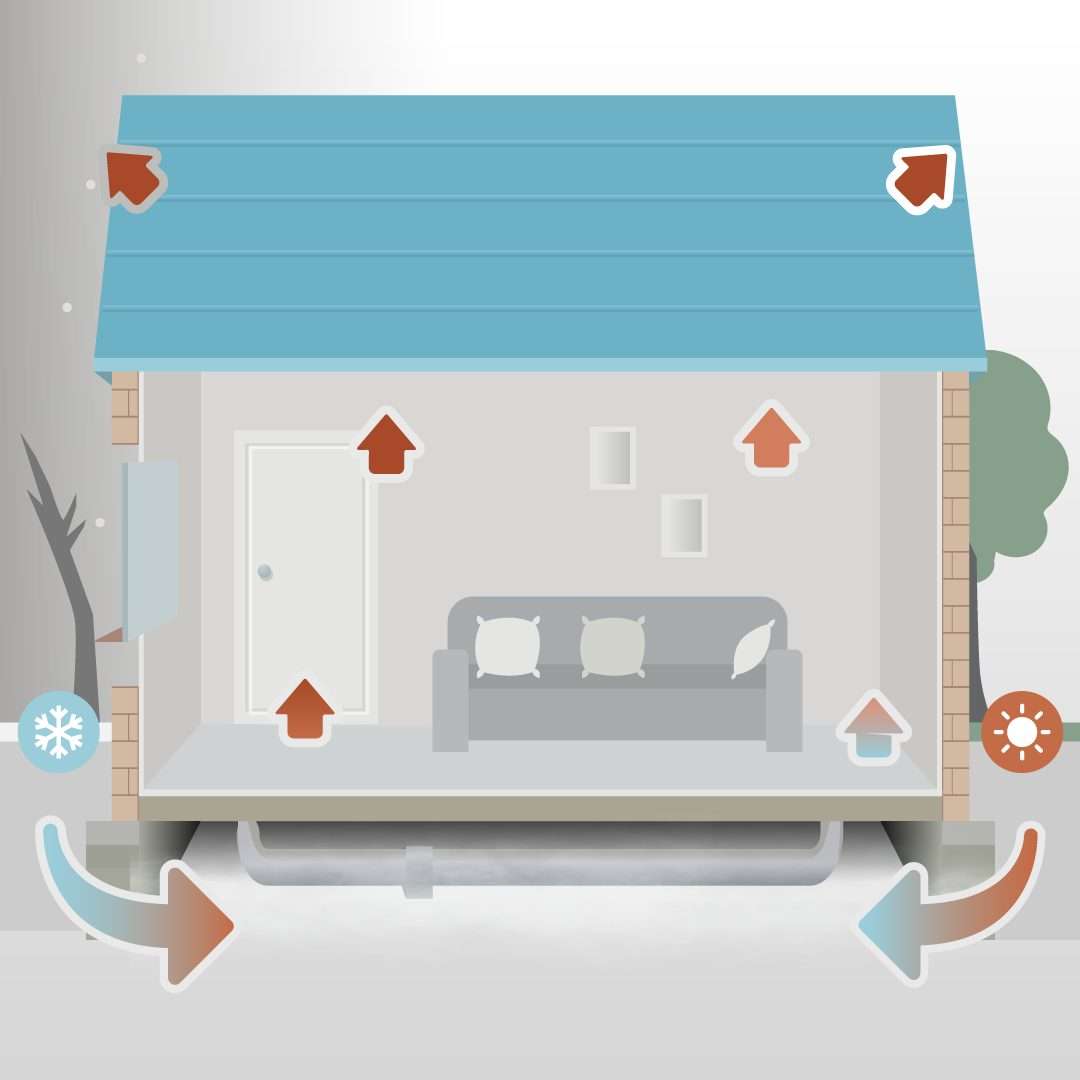
When ignored, a crawl space can quickly become oversaturated with moisture. As a result, problem signs like mold and wood rot are bound to arise and cause damage. Over time, your crawl space’s structure will begin to degrade, pests will come looking for a warm, humid shelter under your floors, and air quality in your home will suffer as mold releases spores into the air.
The graphic here shows the stack effect, when humid air in your crawl space rises through the floor, transferring muggy air and harmful particles from your crawl space straight into your living space. The humid air makes your energy bills higher, and you will be breathing in particles from animal feces, mold spores, damaged fiberglass insulation, and decaying wood.
That’s why crawl space encapsulation is necessary: it prevents a downward spiral of problems from damaging your health and destroying your home.
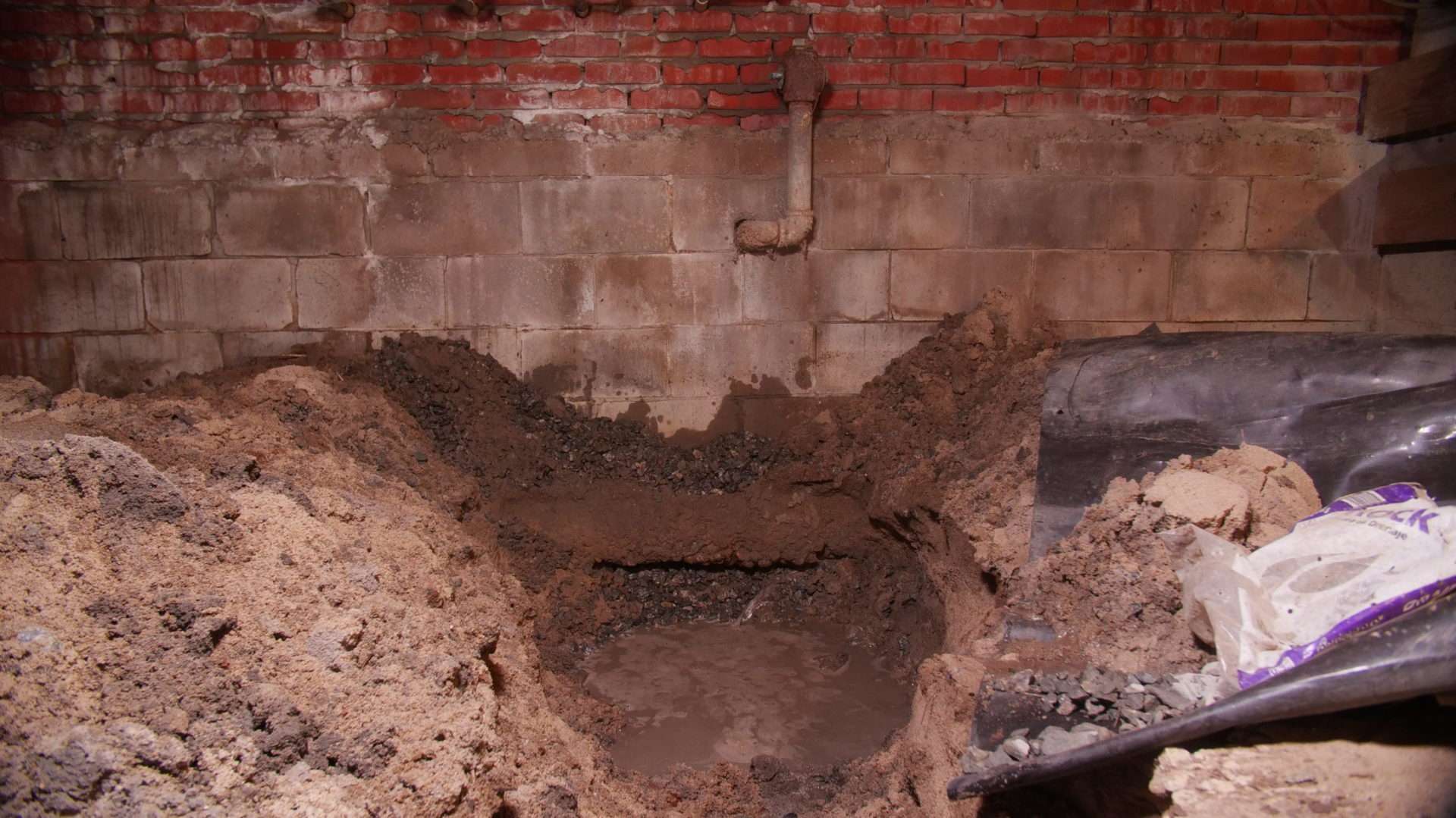
Crawl space leaks can occur at any time of the year because of uncovered soil, clogged downspouts and gutters, plumbing leaks, sewer backups, porous foundation walls, and poor grading. Telltale signs include:
Most crawl spaces have fiberglass insulation which doesn’t fare well when moisture gets below your home. Often, the insulation will begin to sag or fall down entirely, as you can see here.

Since mold is a huge issue for unprotected crawl spaces, our team recommends having it treated with fungicides by professional mold remediation experts. This makes the crawl space cleaner and healthier even before encapsulation is installed.
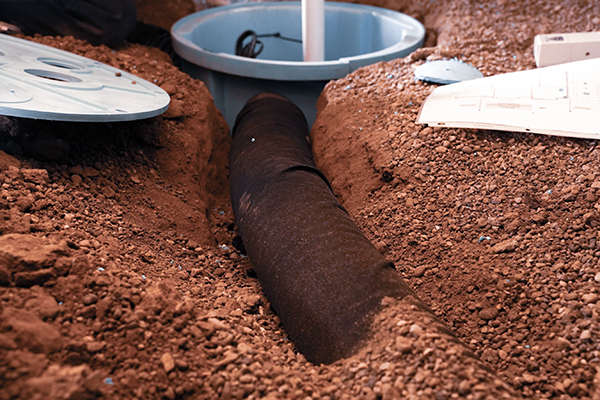
Crawl space drainage is designed to channel moisture out of your crawl space. Our team digs trenches in your crawl space to properly fit any drainage materials. Once in place, groundwater won’t seep into the dirt floors of your crawl space or cause the area to flood.
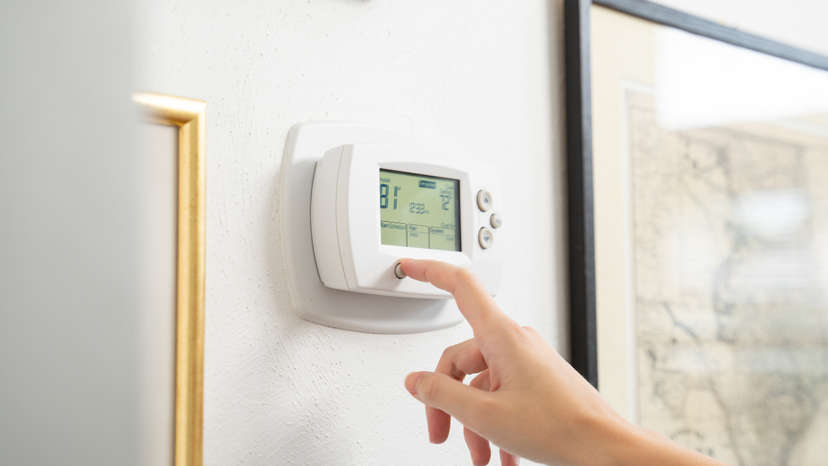
Over 50% of the air you breathe within your home originates in the crawl space. Crawl space encapsulation makes the air healthier by deterring moisture, mold growth, and musty indoor odors.

When selling your home, potential buyers are likelier to choose a property with an encapsulated crawl space over one without. Encapsulation shows that the house has been well maintained, has better energy efficiency, and is protected against moisture, mold, and pests that lead to structural damages.

The U.S. Federal Government offers tax incentives for home performance improvements like crawl space encapsulation. Many state and local governments also provide tax credits, rebates, or other financial incentives supporting energy-efficient homes.
Knowing when to revamp the crawl space isn’t that hard. A good place to start is to perform a visual inspection. A thorough inspection will uncover existing problems and the situation down there and inform your next move.
When you work with JES, you receive unmatched quality and service. Our team goes through all the steps above, always with proper permitting, meeting code requirements (something many competitors don’t do). Your home is perhaps your most important asset, so you deserve the best encapsulation possible. JES has the team of encapsulation specialists you need to make that happen.
You might look at crawl space encapsulation and think you could do some of these steps on your own. Well, there is a reason we recommend you work with professional encapsulation specialists.
First, doing any work in a crawl space comes with inherent risk. You can easily come into contact with hazardous materials like fiberglass insulation, mold spores, or decaying animals. Additionally, moving through the space could lead to more damage, especially if wood support beams are already rotting. One misstep could cause materials to collapse on you.
Even if you’re able to clean out your crawl space with no issues, buying encapsulation materials at local hardware stores simply won’t cut it. Most store-bought vapor barriers are not thick enough or high quality enough to keep all moisture out. Dehumidifiers from big box stores run into the same issues and simply can’t remove enough water.
DIY encapsulation doesn’t work and puts your health, time, and money at risk.
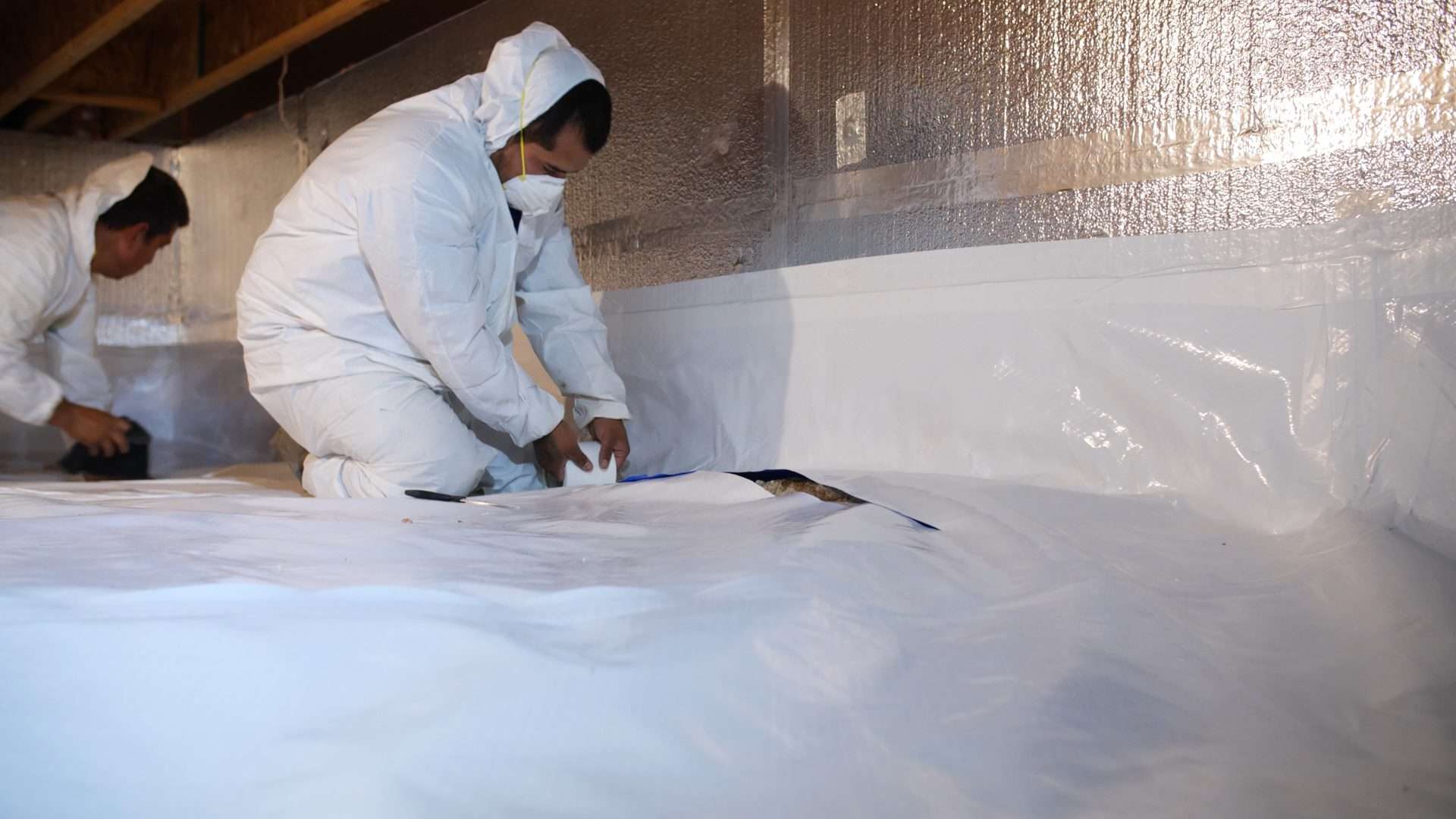
Since 1993, it has been our goal to provide homeowners with quality service, knowledge, and customer care. When you work with JES, we’ll provide you with a free crawl space inspection and no-obligation encapsulation estimate.
If you are looking for encapsulation services, and you’re looking for a professional team to work with, don’t hesitate to contact us today. We’ll make sure your crawl space stays safe, healthy, and well-protected from moisture issues for years.
Yes. Professional-grade dehumidifiers do more than just remove moisture below your home, they actually clean the air in your crawl space. This makes your entire home healthier.
Not directly, but it does ensure the value of your home doesn’t go down. Plus, if you’re looking to sell your home, crawl space encapsulation makes your home more attractive to buyers.
Think about it this way: a home without encapsulation is likely to have a rotting and damaged crawl space. That home will always be worth less than the one with encapsulation, so it does make your home more valuable to buyers.
In most cases, homeowners insurance does not cover crawl space encapsulation because it is considered a preventive home improvement. However, if encapsulation is needed due to damage from a covered event, such as a burst pipe, your policy may cover related repairs. Check with your insurance provider for details on your specific coverage.
Groundworks
Who is the Groundworks Editorial Team? We're a small team of writers and researchers who spend our days digging into foundation repair, crawl spaces, and everything else that keeps a house standing. We work closely with Groundworks' field experts to make sure what we publish holds up — because when it's your home on the line, "probably right" isn't good enough.

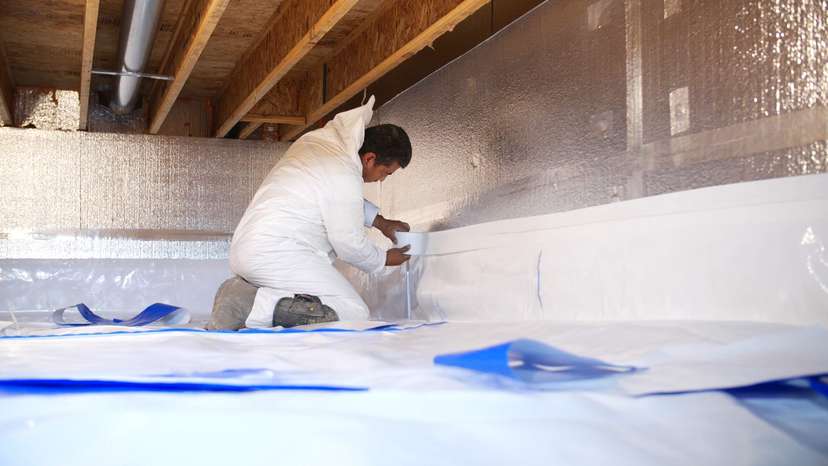
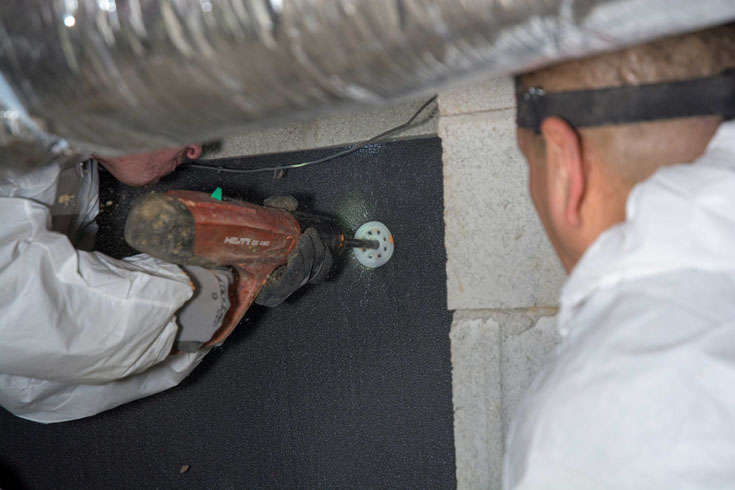
Durable foam board insulation should be attached to the perimeter walls of the crawl space. This allows the space to stay temperature-controlled throughout the year and prevent energy loss.

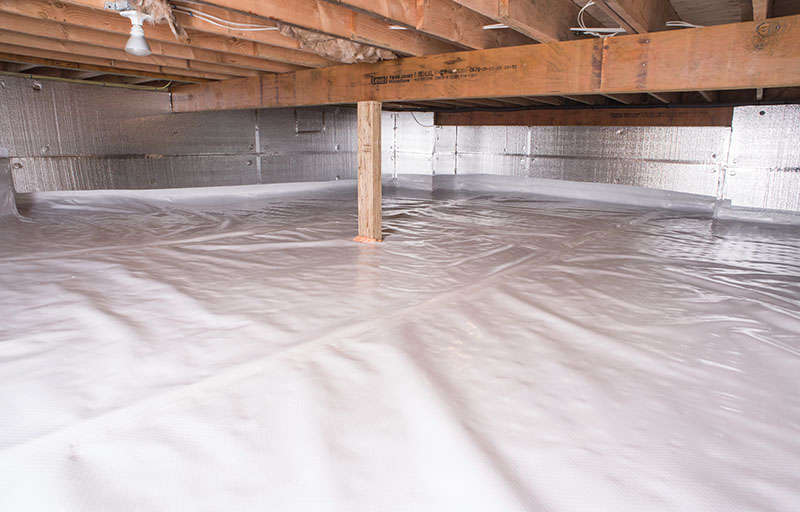
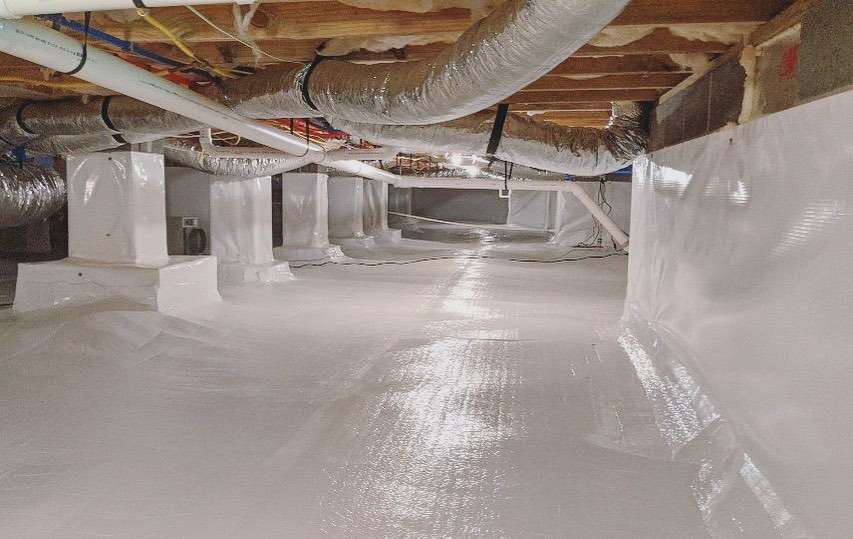
Next, drainage matting should be placed over the dirt floors of your crawl space. This provides further aid in moving groundwater away from the foundation. Once that is complete, a vapor barrier will complete the encapsulation process and totally seal off the space.
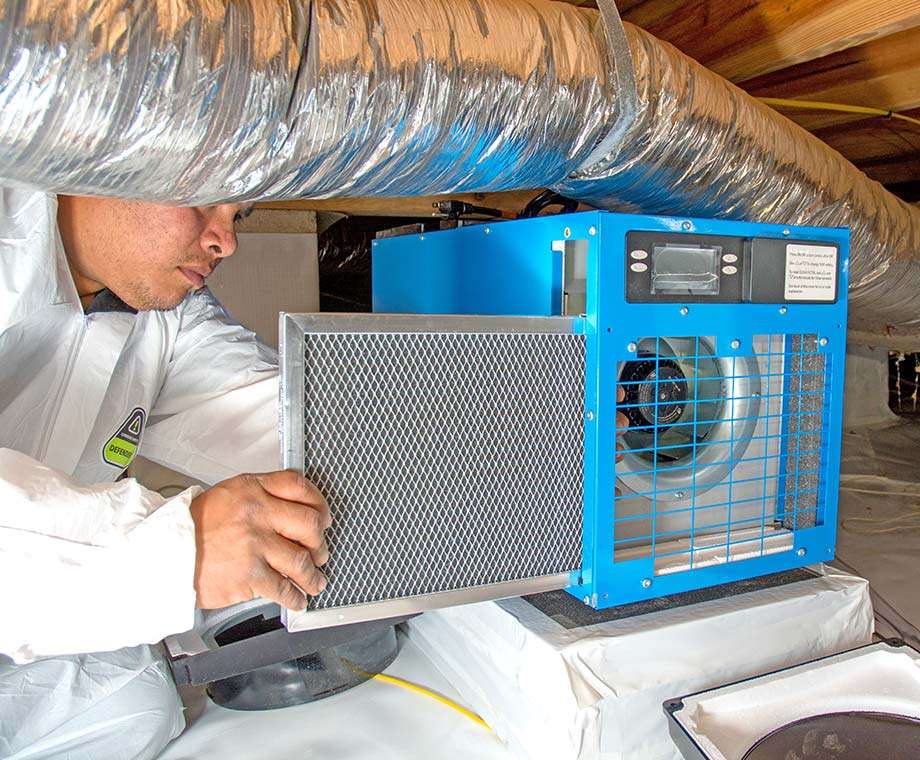
Lastly, a high-powered crawl space dehumidifier needs to be installed to continuously clean the air of particles and prevent excessive humidity. Professional options can remove up to 13 gallons of moisture a day and still stay quiet enough to be mostly unnoticeable.
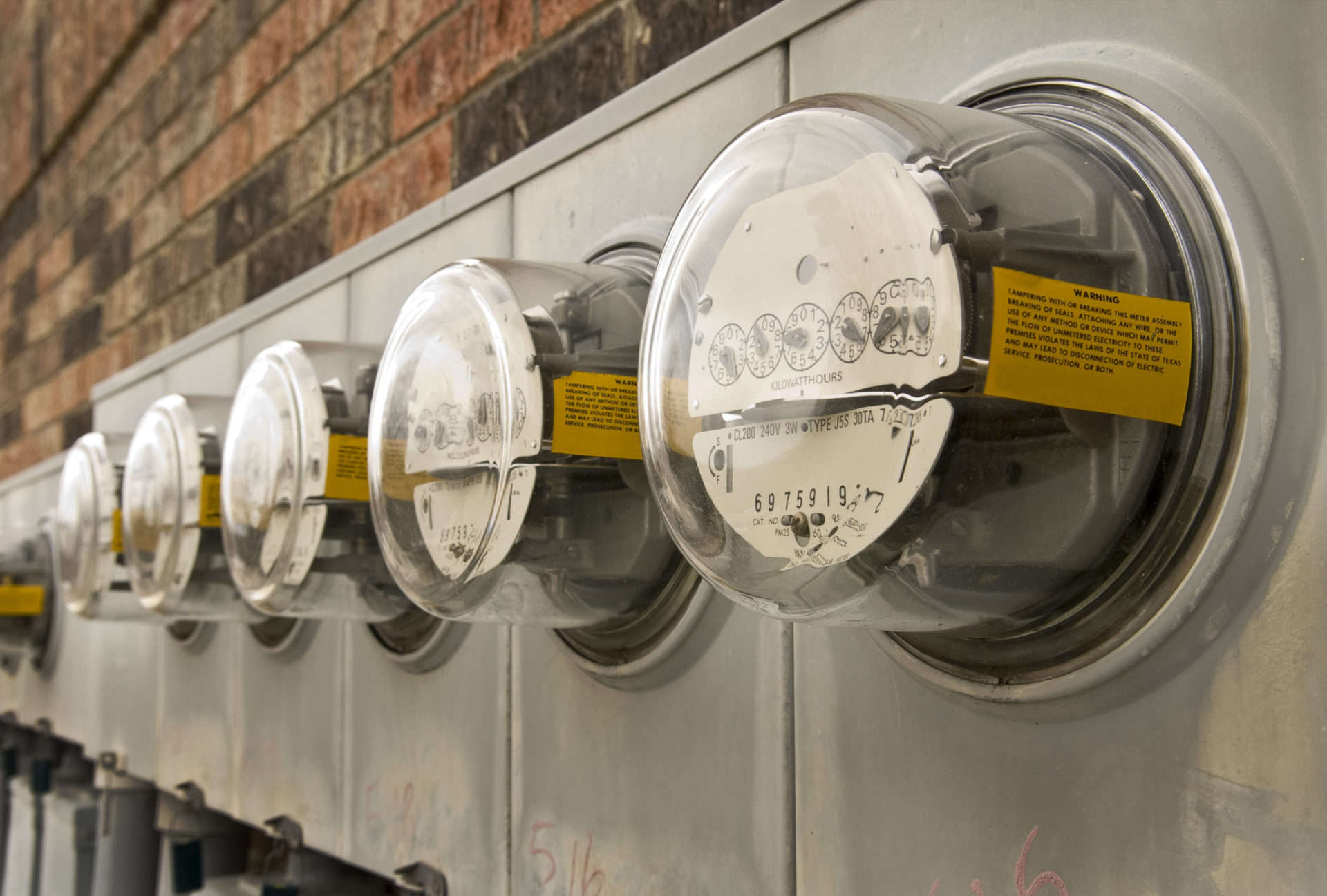
According to an Advanced Energy study, homeowners who encapsulate their crawl spaces can save 15% to 20% on their heating and air costs. This study proves that sealed crawl spaces are energy efficient and help control moisture, improving the overall performance of home HVAC systems and lowering utility bills.
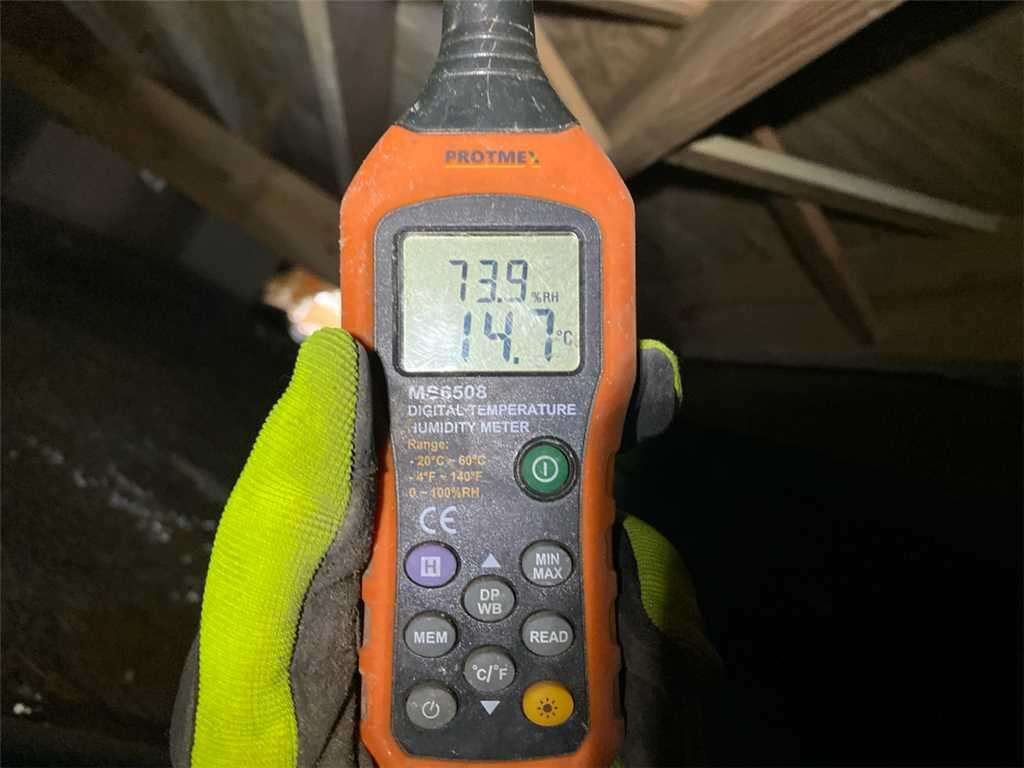
Crawl space encapsualtion reduces the moisture infiltration and high humidity levels that lead to mold growth, wood rot, and pest infestations. This moisture reduction also enhances indoor air quality, creating a healthier living environment.
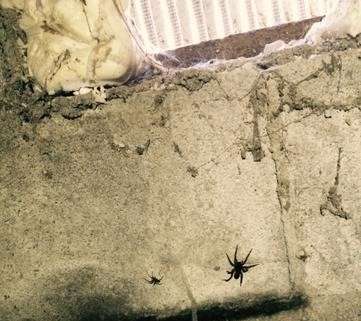
Pests like insects and rodents thrive in moist, dark environments like crawl spaces and basements. Encapsulation seals these areas, making them less inviting. A dry crawl space reduces pests and promotes a healthier environment.

Crawl space encapsulation reduces the moisture that causes structural damage, supporting a healthier living environment for your family. Encapsulation is a cost-effective, long-term solution that prevents mold growth, improves indoor air quality, and enhances energy efficiency by reducing humidity and temperature fluctuations in your home.