There are many concerns that arise because of crawl space vents. Here’s a list of the ones that should be at the top of homeowners’ minds:
Crawl Space Moisture
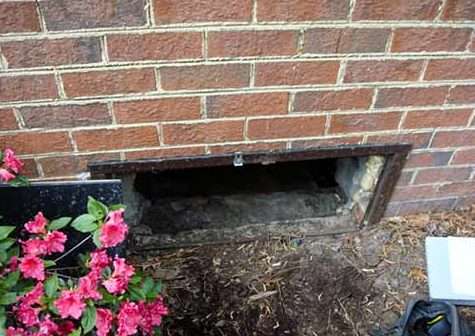
The most obvious concern with crawl space vents is the one you’ve already heard about in this article. Crawl space moisture can be a significant problem with open crawl space vents, especially because of the issues with relative humidity in different temperatures of air.
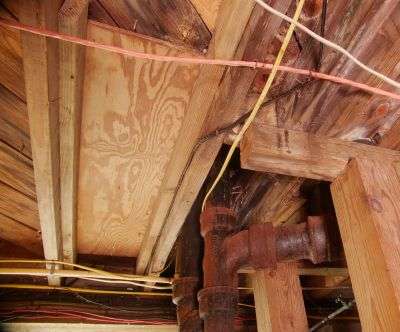
Remember that crawl space moisture has to go somewhere; it doesn’t just hover in the air forever. Any amount of crawl space moisture can be damaging because it creates an environment that fosters mold and mildew growth. Moisture in your crawl space can also lead to dry rot.
Water Coming in From Outside
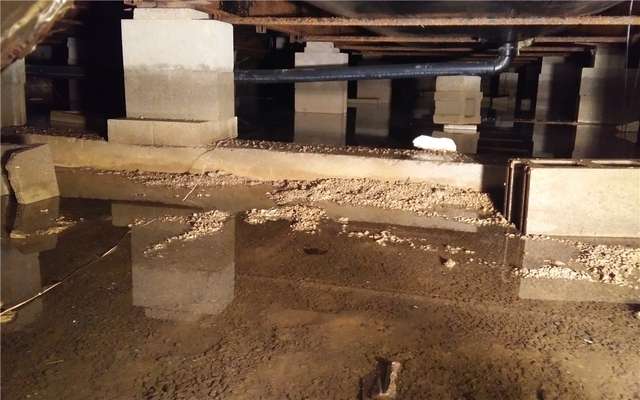
When it rains, or there are flooding issues in your area, you might find that water comes in from the outside with open crawl space vents. Open crawl space vents aren’t great at filtering water from the outside, which means it’s extremely common for water to come into the crawl space and impact the area.
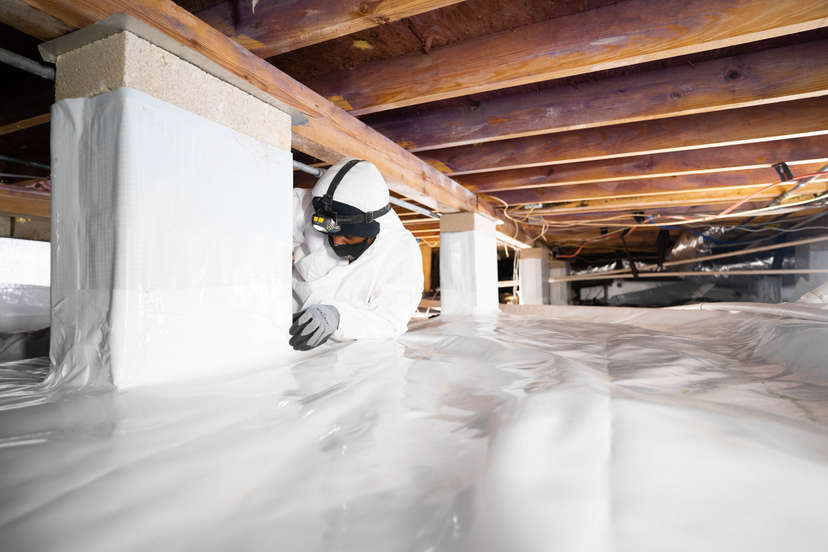
Some crawl spaces can close them at times or put a covering on them occasionally. However, it’s common for homeowners to forget about these options, which typically leads to a lot of issues with water coming in anyway. The only way to fix it is to permanently cover the crawl space.
Crawl Space Pests
When you have a constant opening in your crawl space, you’re inviting pests into your home. It doesn’t help that you typically keep your home at a very comfortable temperature for humans, which is also usually a very comfortable temperature for pests that might be roaming around your neighborhood.
Even if the crawl space vents have very small openings, which aren’t big enough for animals like raccoons, that doesn’t mean pests can’t come through. Extremely small openings don’t do much to mitigate tiny pests like ants and mosquitos, and even pests like snakes often do a great job of coming in through tiny openings.
HVAC Overloads
One of the reasons crawl space vents lead to higher levels of energy usage is probably because you’re basically pumping your heating and cooling out of the building with an open crawl space vent. Remember that your home’s heat and cooling go into your crawl space as well as the rest of your home, which means it’s going to “leak” from the vents.
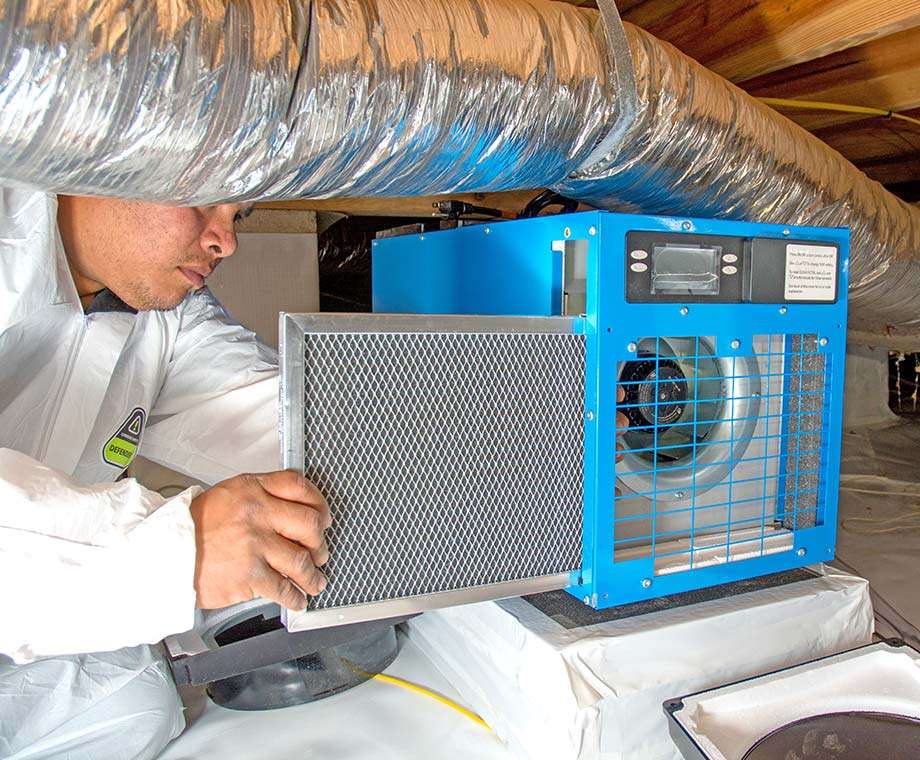
This will always lead to higher energy bills for the same reason that it would if you kept your home’s windows open at all times. You want to keep the warm or cool air that you’re creating inside your home. Instead of opening a crawl space vent, it’s important to close the vent and instead circulate the air in your crawl space through other means.
The Stack Effect
If you’ve never done any research into crawl spaces and their impact on homes, you may not know about the stack effect. The stack effect applies when you have an entrance for air in your crawl space and an exit for air in your attic. Air will come in through the crawl space, warm up, then rise through the home and exit out of the attic. This process will continue to repeat as long as there’s an entrance for air in your crawl space, such as a crawl space vent.
The stack effect can be very damaging in many different homes. Because crawl space vents typically cause lots of moisture to build up, they also tend to cause plenty of mold and mildew, and pests can leave their droppings all over the crawl space. Essentially, the crawl space takes anything that can be airborne, which sometimes includes droppings and mold spores, and brings it up into your living space.