Protecting your home against accidental fire is absolutely crucial. Here are a few ways you can do this:
Use Proper Construction Materials
When building or repairing your home, combining ignition-resistant building techniques with Class A-rated materials is a great way to improve its fire resistance. While Class A materials are not always non-combustible, they do offer significant fire protection by slowing the spread of flames.
Roofing
Roof coverings have various fire ratings, with Class A providing the best fire resistance. Fiberglass shingles, concrete, asphalt, and clay tiles are perfect examples of Class A roof coverings. Some roofing materials have a “by-assembly Class A fire rating.” That’s another way to say builders can insert materials like aluminum, rubber, and fire-resistant wood shake products between the roof sheathing and the covering to attain the rating.
Wall Construction
Fire resistance is a critical consideration when building interior walls and partitions, especially in non-symmetrical structures. Fire-resistant walls with smoke-tight properties help compartmentalize the building, slowing fire and smoke spread. Wall openings should also be fire-rated. The specific design of fire-resistant walls, including their height and structural performance under fire conditions, depends on the building’s fire safety plan.
Below-Grade Areas
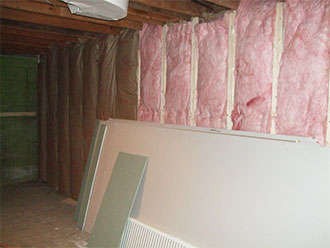
Recommendations for basement wall insulation thickness vary by climate zone, with R-15 being a potential starting point. It is important to consult local building codes or a qualified professional for specific requirements. Use moisture-resistant insulation like foam board instead of standard fiberglass batts, which may be unsuitable due to moisture concerns.
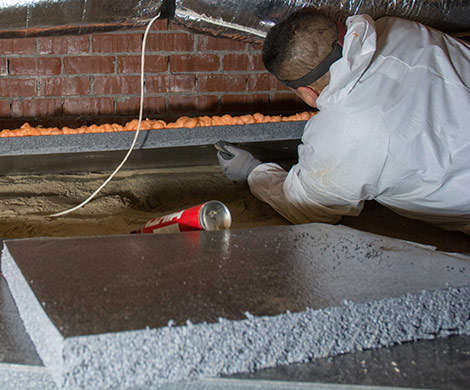
The recommendation for crawl space wall insulation thickness also varies by climate zone, so consult local building codes or a professional for guidance. Fiberglass batts are not effective due to potential moisture issues; consider rigid foam board insulation instead. A vapor retarder on the warm side of the insulation (typically the interior) is also highly recommended for unvented crawl spaces.
Insulation is an important aspect of heat retention and fire protection. Materials like vapor retarders, membranes, and single or multilayer foil insulation can also help you comply with local codes.