Before entering any crawl space for an inspection it’s important to evaluate the safety of the situation and ensure you’re taking the appropriate precautionary measures.
Always check your safety gear and evaluate the safety of the crawl space before you enter. You never want to go into a crawl space unprepared.
Here are some things to keep in mind as you prepare to inspect your crawl space. *Note – crawl spaces are dangerous and it’s always a best practice to have an annual crawl space inspection by a professional to ensure your home and family’s safety.
Once you determine it’s safe to conduct a crawl space inspection, make sure to take these safety steps to protect yourself.
Have an assistant to stand watch at the crawl space entrance. If for some reason you have to enter the crawl space alone, always have your cell phone with you.
You’ll need a light source, and a battery operated flash light with extra batteries will help you look for problem signs like crawl space mold or standing water.
Cover your eyes! Safety glasses or goggles will keep debris from entering your eyes.
A cheap paper mask will not protect you from chemicals, mold or other airborne hazards. Only a respirator with a filter will protect you.
Before you enter a crawl space make sure to keep an eye out for these potential hazards. If at any time you feel it’s unsafe then it’s best to call in a crawl space inspection expert. Contact us today to schedule a free inspection!
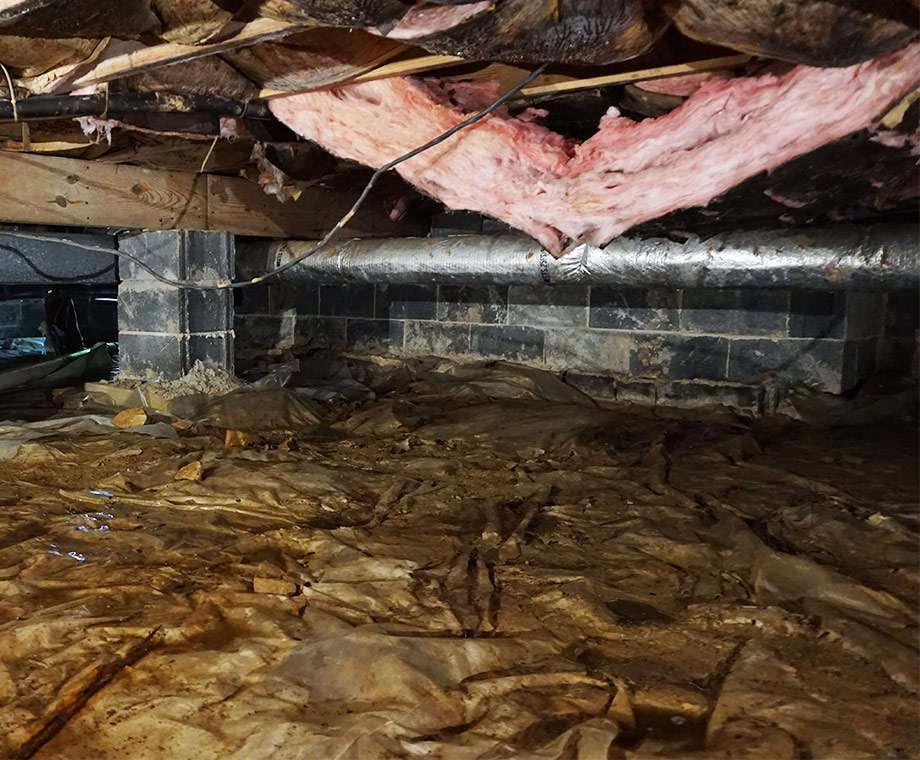
If you suspect there’s crawl space mold then make sure to use a respirator before entering.
Fallen materials, nails and other debris can prevent safety problems. Make sure to wear a protective suit, gloves and knee pads to prevent injury.
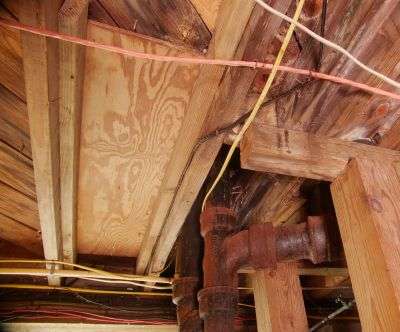
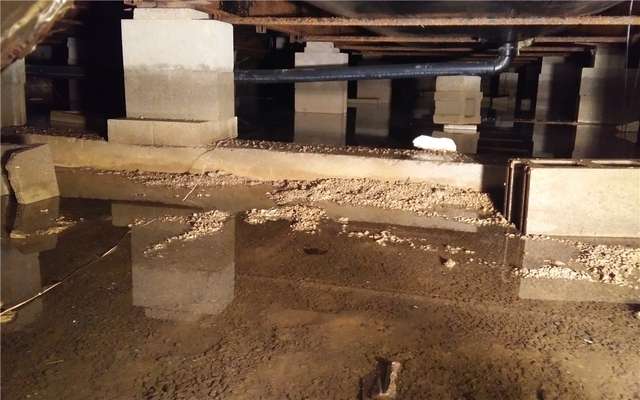
In addition to the risk of electrocution from frayed wire, pesticides, rodent excrement or asbestos insulation could be in the standing water.
Even if there isn’t crawl space standing water, wet areas can present a hazard. If any electrical lines are frayed or snapped, there could be a shock risk.
If you’re conducting a crawl space inspection on an older home there may be asbestos insulation. If that’s the case then you’ll need to wear protective clothing and a respirator.
You don’t want to go into an enclosed space, like a crawl space, when it smells like gas or other chemicals. When in doubt check with utility companies to make sure there isn’t a leak.
You’ll need to be able to enter and move around the crawl space safely. When in doubt check the OSHA regulations on entering confined spaces.
If floor joists or beams are collapsed or falling, then it may not be safe to enter the crawl space.
Groundworks
Who is the Groundworks Editorial Team? We're a small team of writers and researchers who spend our days digging into foundation repair, crawl spaces, and everything else that keeps a house standing. We work closely with Groundworks' field experts to make sure what we publish holds up — because when it's your home on the line, "probably right" isn't good enough.