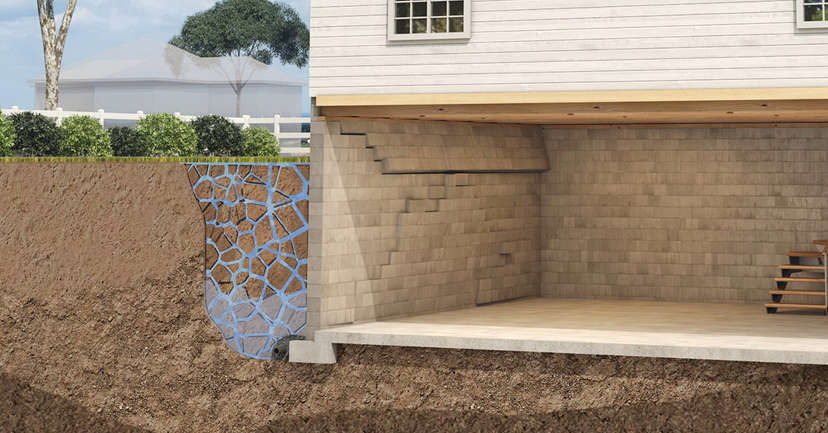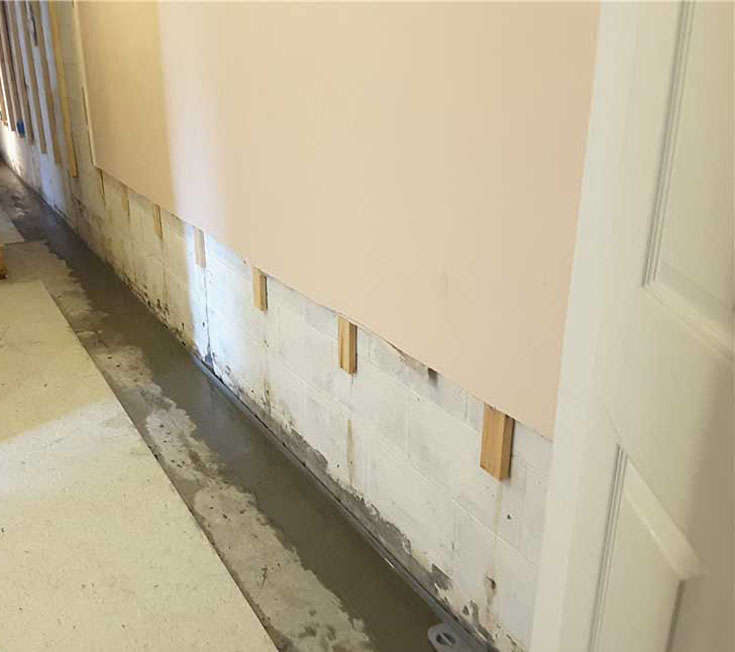
Many Mid-Atlantic homeowners look for ways to lower utility bills and increase their home’s value. One effective solution is to invest in your basement. Basement waterproofing protects against foundation damage and saves money over time.
This page explains how this investment can potentially increase your home’s value and help reduce your monthly costs.
Homeowners often ask, “Does waterproofing a basement add value to my home?” The answer is yes. Since basements are built below ground and surrounded by soil, they are highly susceptible to water damage. Waterproofing solutions protect this space and make an excellent first impression on potential buyers. Here are additional ways this investment enhances home value:
A waterproofed basement shows that the home is well-maintained, attracting potential buyers. Waterproofing minimizes damage, lowers long-term repair costs, and creates more usable space. It may also reduce insurance premiums by decreasing the potential for water damage claims. These factors may help sell your home more quickly.
Appraisers carefully assess health hazards like mold when evaluating a property’s market value. Waterproofing the basement reduces the risks of moisture, mold, and structural damage and protects your investment. Proactive measures that address basement moisture can lead to a higher appraisal and selling price.
Basement waterproofing saves you money by protecting against future infiltration. Sealing the area and ensuring proper drainage keeps the basement dry, preventing water damage, mold, and associated repair costs.
Basement waterproofing solutions save homeowners money in several ways, including:

Waterproofing the basement transforms a once damp, dark space into a functional space. It adds usable square footage for an additional living space, home gym, office area, or whatever you choose. This enhancement can increase your home’s value and eliminate the need for costly expansions.

Homeowners realize what nightmares basement flood damage and mold growth can be. Basement waterproofing solutions prevent flooding and reduce associated damage, such as mold growth and musty odors, which can deter potential buyers and lower appraisal value.
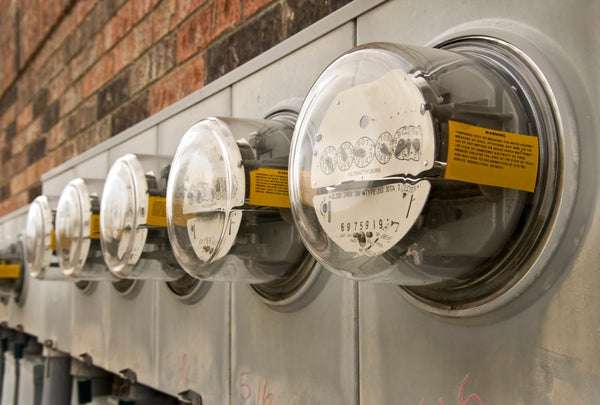
Basement waterproofing saves you money by reducing humidity levels and HVAC load. This reduces energy consumption and lowers utility bills. A dry basement also allows insulation to work properly by reducing heat loss in winter and heat gain in summer.
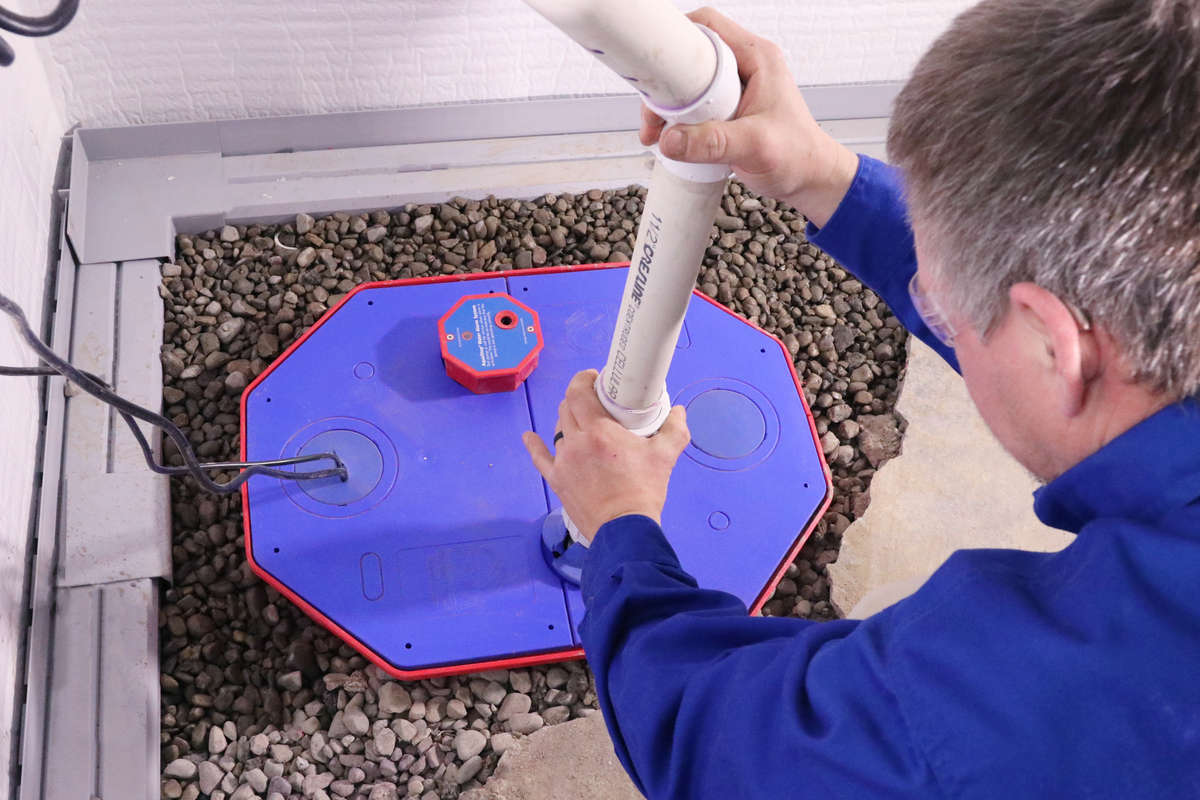
The best waterproofing method for your home depends on several factors, such as the extent of damage (if any), the soil conditions, and your property’s location. Basement waterproofing professionals offer several solutions, including:
In cases of severe damage, wall anchors or other stabilization systems may be recommended. These systems stabilize bowing walls and support the entire structure.
Basement waterproofing solutions prove a wise investment for many homeowners, especially those in flood-prone regions, as they reduce moisture and mold growth, prevent structural damage, and protect your home’s market value. These factors make waterproofing worth it.

JES Foundation Repair understands why enhancing home value is important because we’re homeowners, too. We provide free inspections to assess the area and recommend tailored solutions for your unique needs and budget. Our specialized systems ensure your home receives the highest-quality installation and service from start to finish.
Contact us today to see how basement waterproofing can improve the value of your home.
Yes, the way your landscape is designed can impact your basement’s moisture levels. Improper grading or drainage can lead to water pooling around your foundation, increasing the risk of water seeping into your basement. Ensuring that your yard slopes away from your foundation and that downspouts direct water well away from your home can help mitigate this risk. If you suspect landscape-related moisture issues, JES Foundation Repair can provide guidance and solutions.
It’s recommended to regularly check your basement for common problem signs, especially after heavy rainfalls or during seasons with increased precipitation. Monthly checks can help you spot early signs of water intrusion, allowing for timely intervention.
Basements can be susceptible to water intrusion during any season. However, periods of heavy rain or melting snow, such as in spring or after severe weather events, can heighten the risk. It’s also worth monitoring during prolonged rainy periods or rapid snowmelt.

Groundworks Editorial Team