As we approach winter in Lynchburg, VA, now is the ideal time to ensure your home is prepared for the cold weather. Your home’s foundation, basement, and crawl space are especially vulnerable and shouldn’t be overlooked. The good news is, you don’t have to spend a fortune to winterize your home. Here are some simple yet effective weatherproofing steps that can make a big difference once the cold sets in.
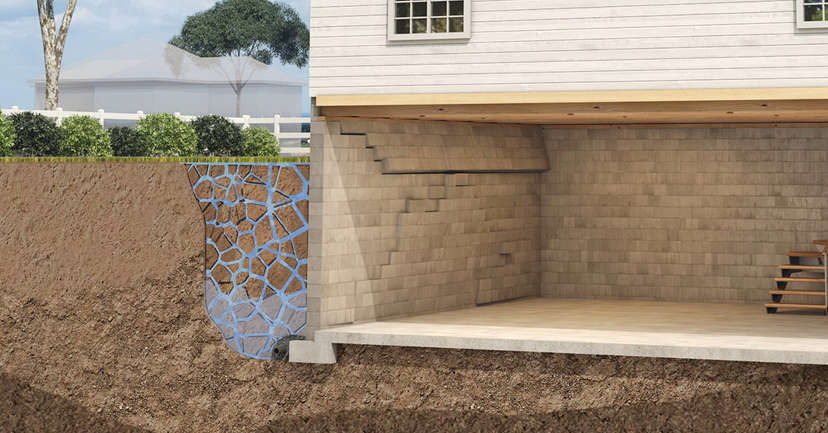
Your yard influences how water flows around the home. If it’s slanting toward the perimeter of the foundation, you can guess what’ll happen when it rains or snow melts. Make sure the ground has a positive grade and slopes away six inches for every 10 feet around your home. This way, groundwater or rain won’t flow back and seep into the foundation soil.
Inspect the foundation of your Lynchburg, VA, home for foundation cracks and crevices. Any opening, no matter how small it is, has the potential to let in melting ice. Act fast before the soil freezes. Such cracks can trigger structural failure that could devastate your home. Your foundation repair contractor will tell you whether shrinking soils or a settlement is the cause of the cracks.
This is a no-brainer. Walk around your yard and remove rocks, small branches, wood chippings, and any foreign material. If there are dead flowers, weeds or foliage, turn these organic materials into compost instead of burning them.
Many people check their roofs in summer and spring because of the rain. But they forget winter has its fair share of precipitation. Falling ice and snow as well as debris can dislodge shingles and damage the room. Melting snow and humidity will also cause problems such as wood rot. They can also hurt your electrical and HVAC systems. Fix your leaking roof and re-bed shingles this fall, and you won’t have to worry about water pooling or leaking through the ceiling come winter.
Turn your attention to your exterior walls as these tend to develop blisters and their paint peels. Both scenarios are bad news as they might expose your home’s siding to moisture and the elements. Apply a fresh coat of paint on your siding. If it’s started deteriorating, have it replaced.
Check your garage doors and exit doors for draft problems. These fixtures can allow cold outside air into your home. To stop drafts, weatherstripping these doors and their panels is a good idea as this makes them airtight. If there are spaces or openings around your doors, re-caulk them. Check the door seal and stop molding on the sides of your garage door as well.
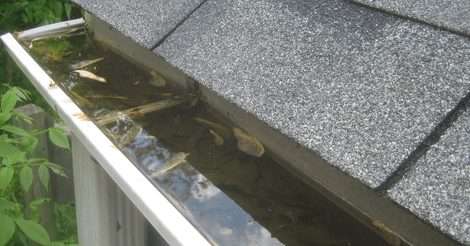
These are vital for your exterior drainage. When they’re loose or damaged, they won’t move water away from your roof. Remove debris, falling leaves, gunk, and other objects that can cause obstructions and encourage ice dams. If they’re old, replace them with modern gutters with built-in leaf guards. Don’t forget to angle down the downspouts or even have them placed in the ground.
Your lawn and the garden need some TLC before winter arrives. Collect all the dead leaves strewn all over the lawn then reseed patchy areas. It’s a good idea to plant spring bulbs like daffodils and crocus as they’re hardy. Deer-proof this space with netting if you feel deer might stray and cause problems.
Empty your chainsaws, lawnmowers, and leaf blowers of fuel. Shut all the exterior water valves then drain your garden hose and take it inside. Don’t forget exterior pipes as they’re vulnerable to freezing and thawing. Get your snow removal tools ready. You have a short window to prep your home for the winter that’s coming. Take this time to inspect your home exterior, including your drainage and foundation. If you suspect there are issues, contact the experts at JES Foundation Repair. We will perform a free foundation repair inspection and give you a free no-obligation quote then carry out the necessary repairs or waterproofing so your home stays protected from melting snow and ice.
Not necessarily. However, cracks, especially those that are widening or horizontal, can become entry points for moisture over time. Even if they’re not causing issues now, they might in the future. Regularly inspecting and addressing cracks early can prevent larger problems down the road. Contact JES Foundation Repair for an assessment of any cracks or potential vulnerabilities in your basement.
Yes, the way your landscape is designed can impact your basement’s moisture levels. Improper grading or drainage can lead to water pooling around your foundation, increasing the risk of water seeping into your basement. Ensuring that your yard slopes away from your foundation and that downspouts direct water well away from your home can help mitigate this risk. If you suspect landscape-related moisture issues, JES Foundation Repair can provide guidance and solutions.
Basements can be susceptible to water intrusion during any season. However, periods of heavy rain or melting snow, such as in spring or after severe weather events, can heighten the risk. It’s also worth monitoring during prolonged rainy periods or rapid snowmelt.
Groundworks
Who is the Groundworks Editorial Team? We're a small team of writers and researchers who spend our days digging into foundation repair, crawl spaces, and everything else that keeps a house standing. We work closely with Groundworks' field experts to make sure what we publish holds up — because when it's your home on the line, "probably right" isn't good enough.