Virginia is blessed with everything from the ocean and rivers to mountains and forests. When it comes to your yard, follow what nature is already doing by planting trees and shrubs that grow best in our area.
Although there are quite a few plants and trees that grow all too well in our area. Those plants and trees can damage your yard and your home’s foundation. Not only that, but they can also pose a poisoning hazard to your family and pets.
You’ve heard “eat local.” Well, it’s time to plant locally, too. If you live in Maryland or Virginia, you will see some of these common trees for purchase at local nurseries and home improvement stores. They are smaller tree varieties, ranging from 12 to 35 feet tall when fully grown. Some of the trees that grow best in the area are crabapple, flowering dogwood, white fringe tree, hawthorn, American holly, and the pawpaw.
Crabapples are flowering trees that can be planted in many types of yards, including urban landscapes. The flowering dogwood is a good food source for songbirds like cardinals and robins, and should be planted in well-drained soil. The hawthorn grows dense and thorny, so it is best used for borders around a yard. It also offers a good place for birds to build their nests. The American holly attracts birds and small mammals. It is best planted in small groups.
The pawpaw is a small tree that grows well in shady conditions and produces fruit that attracts a variety of wildlife. Its leaves turn deep red in the fall. If you’re looking for new landscaping that does not attract wildlife to your yard, the white fringe tree is a good option. It is best planted in groups or near, but not too close to, large buildings in moist soil conditions.
Our list of trees to avoid includes those that are fast-growing with invasive root systems. They can cause damage to your home’s foundation, sidewalks, driveway, and patio.
You don’t need to drop these trees entirely, but they should never be planted near your foundation, sidewalks, driveways, or patios. They can be planted elsewhere in your yard to add their shade and beauty to your overall landscaping.
These bushes are extremely invasive. They take over everything around them. Avoid them entirely.
Most of the trees and bushes that you should avoid are primarily invasive and tough to control. Then there’s a whole group of invasive plants that are very tough to eradicate once they’ve found your yard. Some of these you may actually plant yourself but find later they are too much trouble to keep under control.
Avoid these poisonous plants in your yard. If you find them, carefully dig them up and dispose of them.
This list is a good starting point but is by no means comprehensive. It’s best to keep these out of your yard.
While it’s not a growing plant, mulch can also be a problem. On the plus side, it serves to minimize soil erosion, add nutrients, insulate plant roots, and decorate your plantings. However, it also collects excess moisture, providing a breeding ground for termites and other pests. If the mulch is piled up around a tree or shrub, the bark can rot, making the plant susceptible to insects and disease.
If mulch is piled up around your foundation, it can lead to dampness in your basement. It’s best to use a hyper-absorbent mulch that helps your plants and keeps water away from your foundation.
Knowing what to plant is only half the battle. Here are some landscaping tips to keep in mind when it comes to maintaining a beautiful yard and a safe, stable foundation:
Once you’ve chosen the right trees and bushes to plant in your yard, make sure you do the necessary research before planting to determine where they’ll grow best. Each type of tree and bush will grow to a different height and width during its lifetime. To protect the long-term health of your new trees and bushes, you’ll need to plant them far enough apart to grow and flourish.
If you’ve ever killed a plant by giving it too much or too little sun or water, you know that different plants need different conditions to thrive. It’s the same for the trees and bushes you’ve selected for your yard. Some grow best in full sun, some in shady conditions, and some are robust enough to thrive just about anywhere.

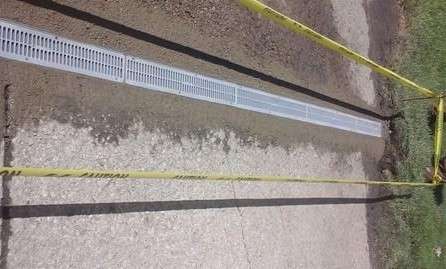
Careful water management is the key to protecting your home’s foundation. Landscape grading is critical to allow the water to flow away from your home. Gutters and downspouts also route water off the roof and away from the foundation.
An irrigation system can be very helpful in maintaining just the right balance of moisture in the soil around your foundation as well as for your plants. A smart sensor can adjust the amount of water based on the rainfall, or the lack of rainfall.
Drying soil can cause foundation shifting and resulting cracks. When the rain comes again, it can seep into the cracks, bringing moisture and even flooding.
If you’re experiencing a damp basement, consider waterproofing that includes installing a drainage system and sump pump with a backup battery to collect and remove leaks before they become problems.
We recommend you consult the professionals at JES Foundation Repair for a free inspection and repair estimate to identify any issues with your basement or crawl space as well as the surrounding landscape that needs attention.