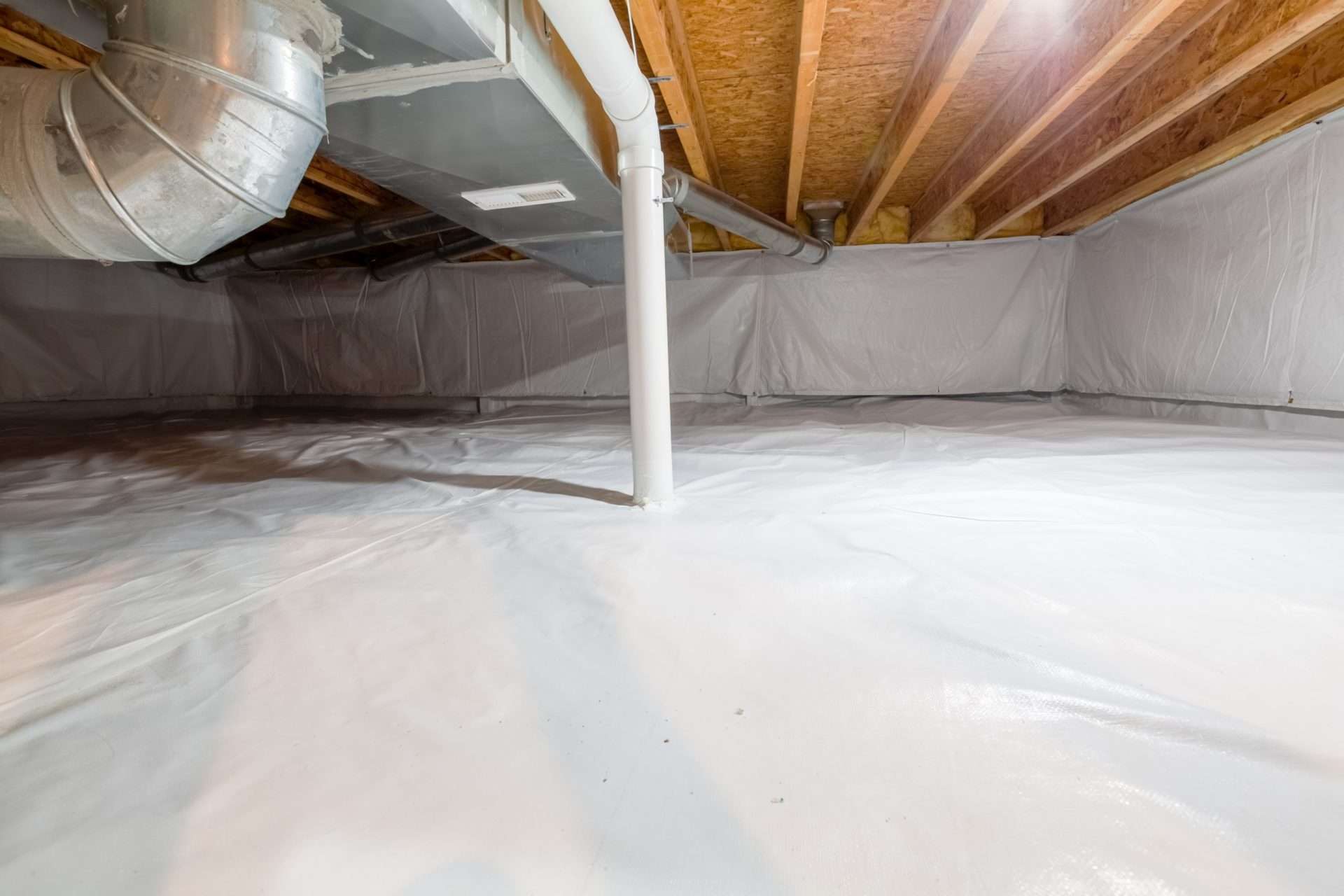
Crawl space insulation is essential for maintaining comfortable indoor temperatures throughout the year. However, to ensure maximum efficiency, it is crucial to use insulation with the recommended R-value for your specific climate and home.
This fact raises the question: What is R-value, and how does it impact your home’s indoor environment and crawl space conditions?
This page explains the concept of R-value and the importance of proper crawl space insulation.
R-value measures how well an insulation material resists heat, which is crucial for preventing heat loss. The higher the R-value, the greater the heat resistance and the better the insulation. The R-value varies based on the density, thickness, and insulation type.
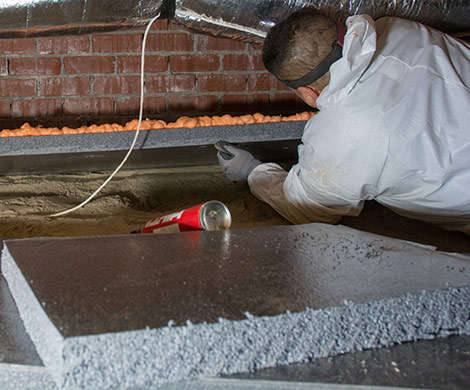
Insulation materials vary in R-value. Here are a few insulation types:

Choose non-flammable, compact insulation materials that slow heat transfer and resist pest infestations and mold growth.
Consult your region’s R-value requirements and seek advice from a local crawl space expert to determine the best solutions for your home.
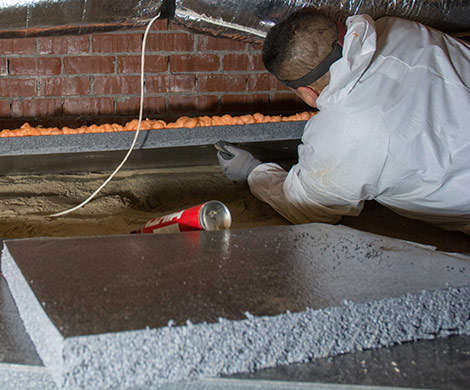
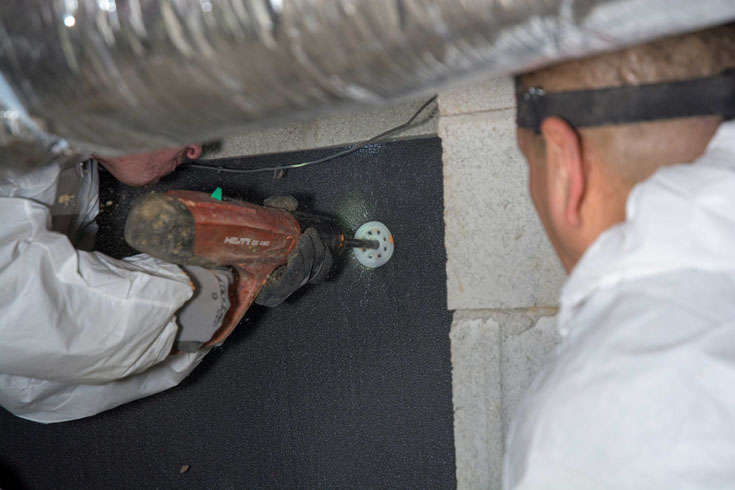
We recommend ExTremeBloc™ insulation panels for basements and crawl spaces. This advanced insulation system combines expanded polystyrene, graphite-infused insulation, and a radiant heat barrier. Its R-value rating of 11 delivers exceptional insulation performance, protecting crawl space walls against heat transfer and moisture-related issues. This insulation protection also safeguards indoor temperatures and environments.
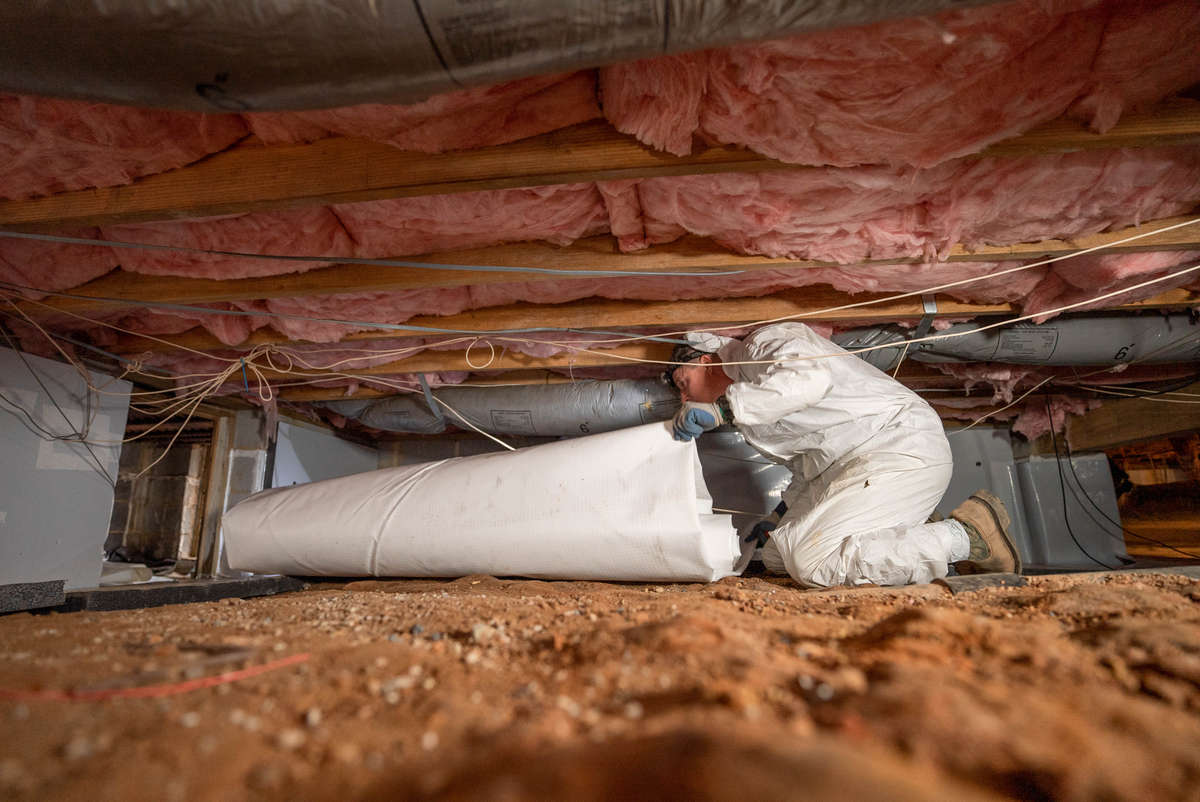
Uninsulated and under-insulated spaces allow cold air to infiltrate your home, leading to higher energy usage to maintain a comfortable indoor environment. Pay attention to these areas:
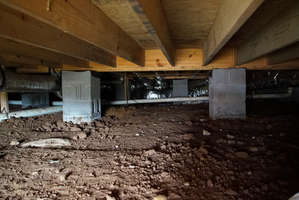
Inspect the perimeter walls if the crawl space is vented, and the space between floor joists if it is unvented. Soft materials like fiberglass are not ideal for crawl spaces, as they can easily retain moisture and harbor mold and pests. Contact a local crawl space expert to determine the appropriate measures for your home.
Measure the existing depth and research the recommended R-value for your climate zone. If the existing insulation doesn’t meet that recommendation, consider adding another layer of batt insulation with a thickness that provides the additional R-value you need. This approach optimizes your attic’s thermal performance and potentially saves energy costs. Contact a crawl space professional to ensure safety and proper installation.

Inspect your unfinished basement walls and rim joists for existing insulation. Contact a local building code expert or insulation professional to determine your basement’s recommended R-value. Insulation improves thermal performance and potentially saves energy costs.
The space between your living area and your garage or attic, known as the attic knee wall or garage ceiling, is an important area to consider for insulation, especially if it’s unconditioned. Check for existing insulation and consult a professional to determine the best type and amount for your home’s needs. Adding insulation here can reduce heat loss, improve soundproofing, and create a more comfortable environment.
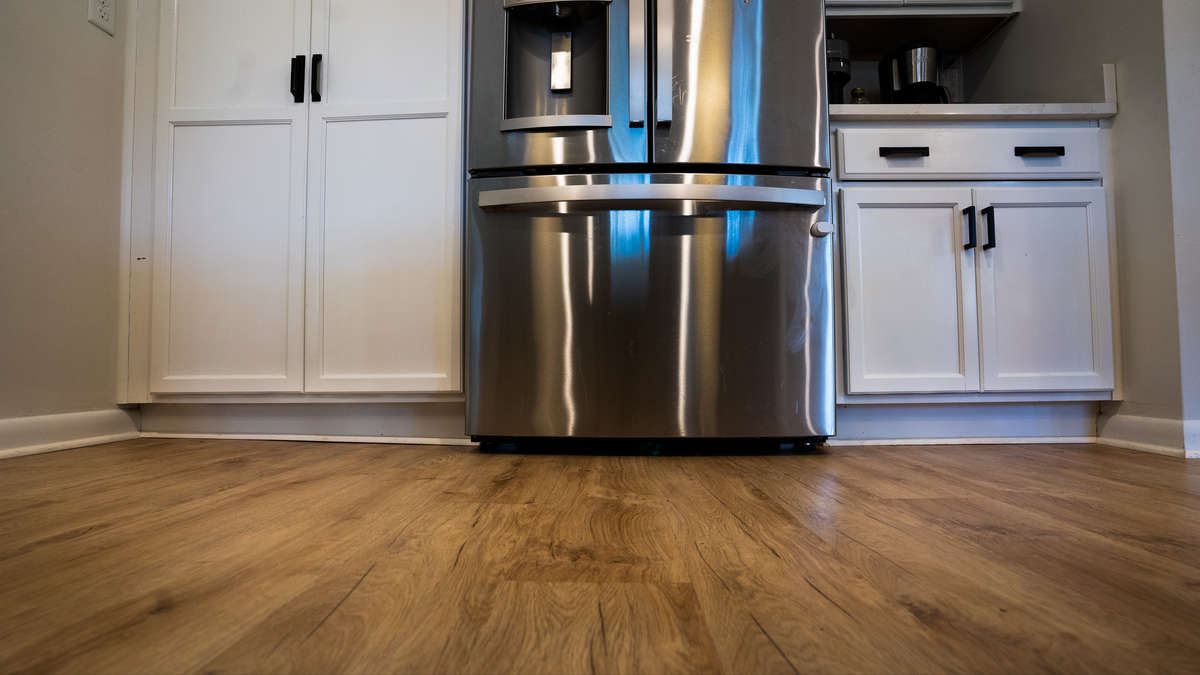
Insulating the floors above unheated basements or crawl spaces can significantly improve comfort in the room above by reducing heat loss. A professional will measure the floor joist depth to determine the appropriate insulation panel width, thickness, and best installation method.
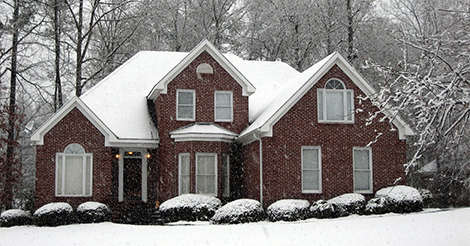
Home insulation provides numerous benefits beyond comfort. A properly insulated home offers:
Understanding the R-value of your insulation is crucial for maintaining an energy-efficient and comfortable home.
Contact JES Foundation Repair for a free inspection, expert advice, and professional insulation services. We proudly serve Virginia, Maryland, DC, and the surrounding areas.
Let our experienced team help you enhance your home’s insulation and ensure long-lasting results today!
Costs vary based on crawl space condition, size, and required solutions. Our experts provide a no-obligation estimate after a free inspection, detailing costs and financing options.
While many insulation types last 15-20 years, they can degrade due to moisture if the crawl space is not properly sealed. Our ExTremeBloc™ foam board insulation is designed as a permanent solution. Contact us for more information and to schedule a free inspection.
DIY repairs and replacing insulation alone are temporary solutions. Plus, entering your crawl space can be risky. We recommend professional assessment and solutions for a lasting fix. JES Foundation Repair offers a thorough evaluation during a free inspection, followed by tailored repair recommendations.
Groundworks
Who is the Groundworks Editorial Team? We're a small team of writers and researchers who spend our days digging into foundation repair, crawl spaces, and everything else that keeps a house standing. We work closely with Groundworks' field experts to make sure what we publish holds up — because when it's your home on the line, "probably right" isn't good enough.