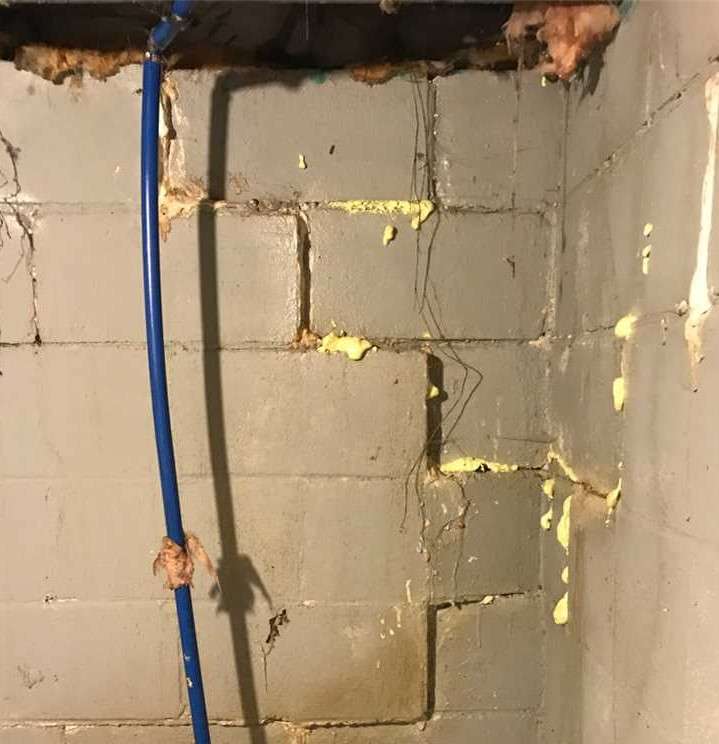
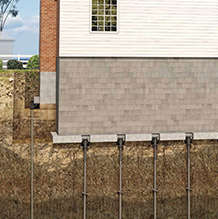
Addressing foundation settlement involves more than pier installation. Benchmarking is essential for effectively diagnosing future complications and ensuring continued foundation pier performance.
This page explains the benchmarking process and why it matters in comprehensive foundation repair. First, let’s discuss foundation settlement to understand better why benchmarking is essential.
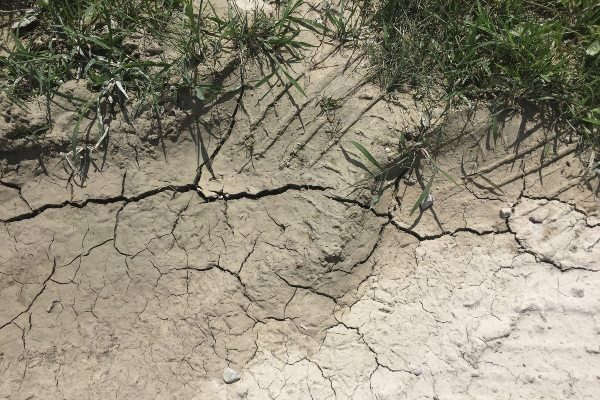
Foundations settle over time due to various factors, so stabilization is crucial for long-term stability. The primary factors contributing to settlement include:
Structural engineers have various methods for analyzing foundation movement, most adhering to the American Society of Civil Engineers guidelines. These guidelines standardize examinations, considering factors like foundation deflection, localized foundation deflection, and tilt.

The symptoms of foundation settlement are often obvious but frequently ignored. Look for these common problem signs:
These problems worsen over time, making professional repair crucial for long-term resolution. Contact a local foundation repair expert, like JES Foundation Repair, for an inspection and precise diagnosis.
Foundation pier installation is performed one pier at a time, ensuring a fully stabilized, long-lasting result.
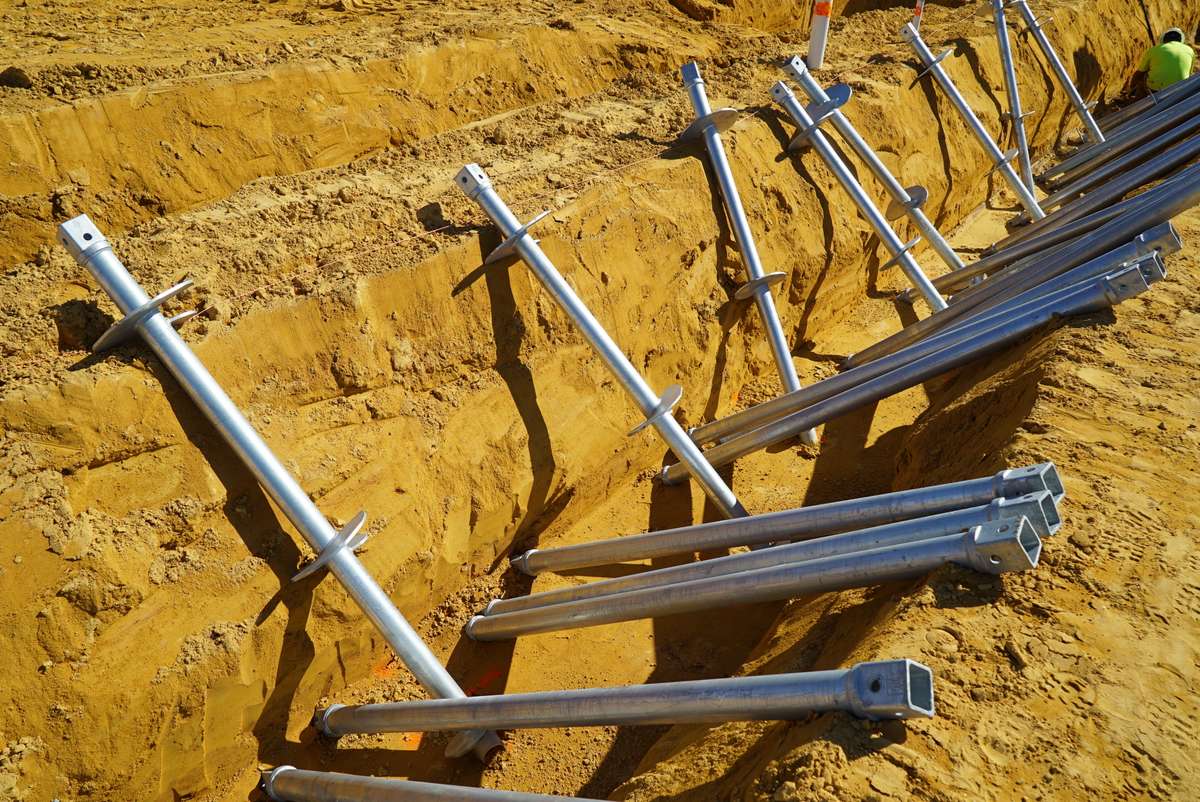
Yes, benchmarking is essential for effective foundation repair. In the past, the absence of benchmarks made addressing foundation settlement very difficult. Without these reference points, installations and repairs were inaccurate, time-consuming, and often ineffective. Contractors needed a guide to determine whether their repairs were successful.
Today, benchmarking allows contractors to identify the pier’s depth and location accurately, ensuring efficient and effective foundation repairs.
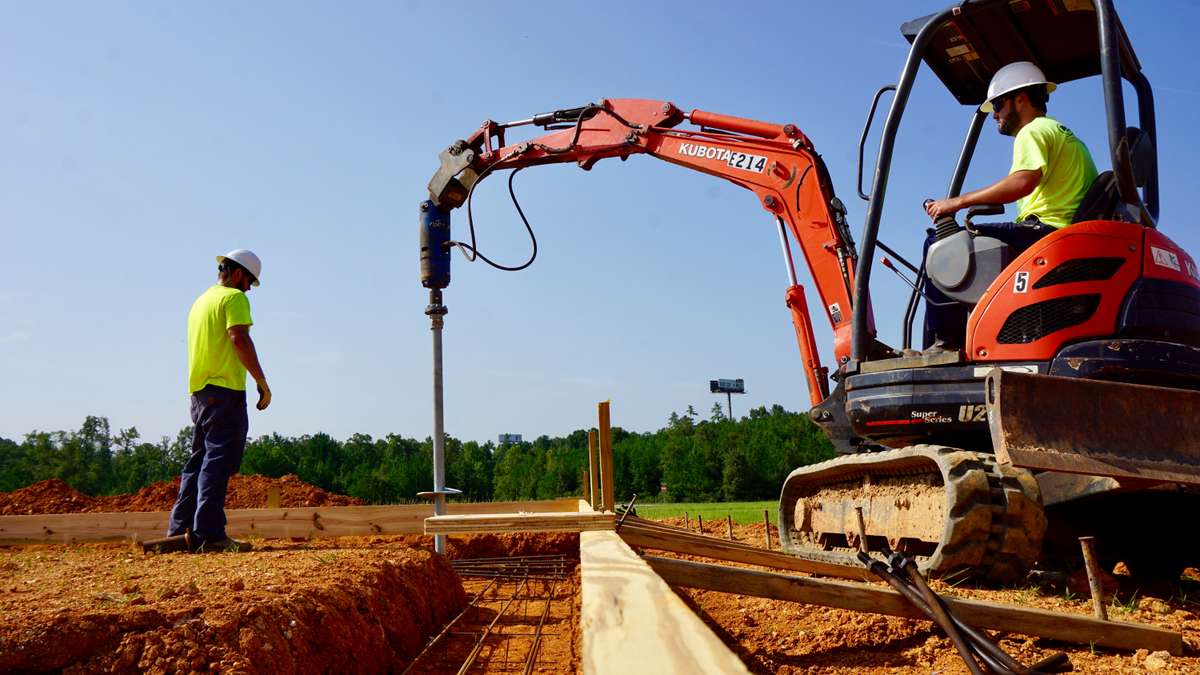
The foundation benchmarking process includes the following:
After benchmarking, the foundation soil is then replaced and compacted. Benchmarking provides successful pier installation and monitoring for long-term foundation stability.
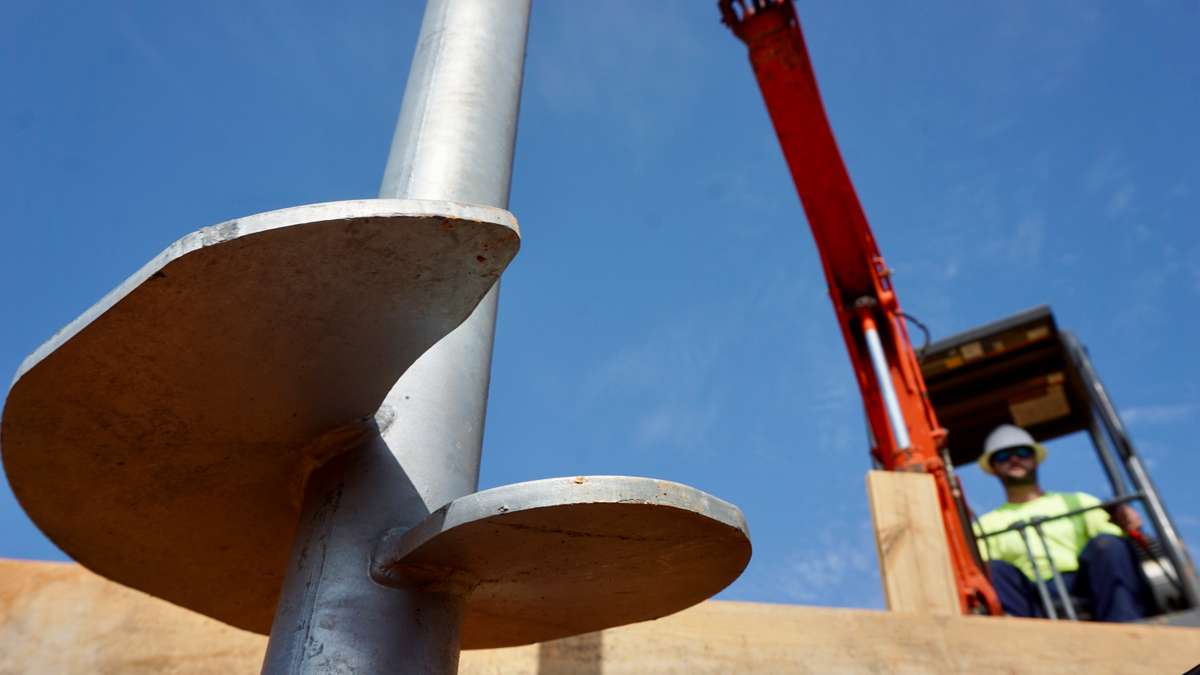
Foundation benchmarking isn’t a DIY project, so we do not recommend doing it yourself. Stabilizing a sinking foundation involves more than just driving piers into bedrock. Structural engineers determine the placement and load-bearing support capacity, then install and benchmark the piers. Without proper training, you risk installation errors and expensive fixes.
Contact JES Foundation Repair for a free inspection. If we determine your home requires piers, our crews will benchmark your foundation following installation and provide reference points for future inspections and repairs.
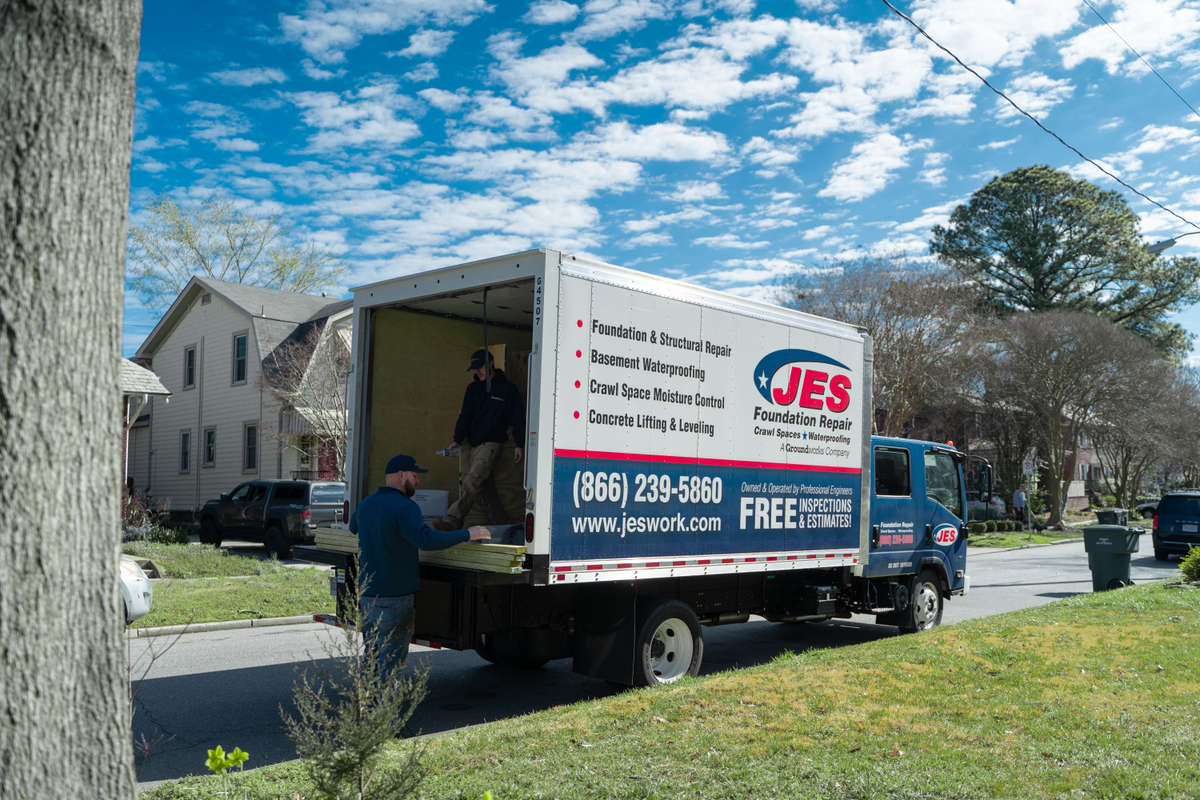
Professional benchmarking is crucial for your home’s structural integrity. If you notice signs of foundation settlement, don’t wait. Contact JES Foundation Repair for a free inspection and quote. Our experts will provide tailored piering solutions to ensure your home’s long-term safety and stability.
It is generally recommended to have your foundation inspected at least once every few years, especially if you notice any signs of foundation problems such as cracks in the walls, uneven floors, or doors and windows that stick. Regular inspections can help identify any potential issues early on and prevent them from escalating into more significant problems. Additionally, if you live in an area with unstable soil or experience extreme weather conditions, more frequent inspections may be necessary.
Foundation pier installation is a specialized task requiring expert knowledge, skills, and equipment. It is not advisable to undertake this task independently. JES Foundation Repair’s Trained and Certified professionals have the experience and expertise needed for assured quality installation of foundation piers. Contact us today to schedule a free foundation inspection.
Yes, push piers are designed to stabilize and lift settled foundations. They are installed beneath the foundation and driven deep into the ground until they reach stable soil. Once in place, the piers can be used to lift the foundation back to its original level by exerting hydraulic pressure.
Groundworks
Who is the Groundworks Editorial Team? We're a small team of writers and researchers who spend our days digging into foundation repair, crawl spaces, and everything else that keeps a house standing. We work closely with Groundworks' field experts to make sure what we publish holds up — because when it's your home on the line, "probably right" isn't good enough.