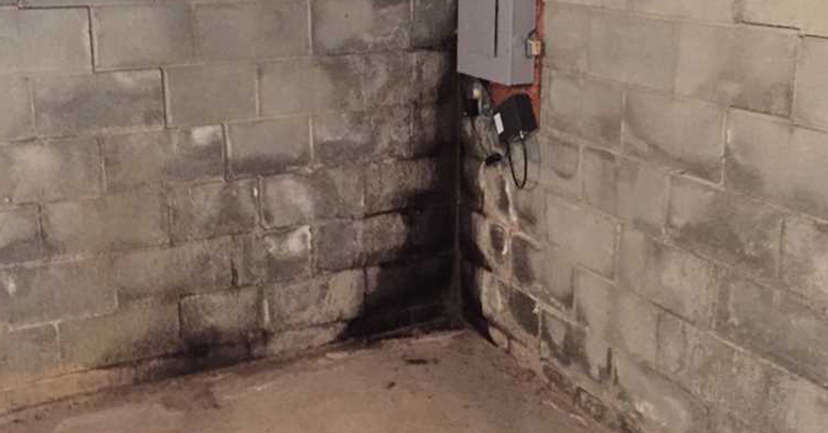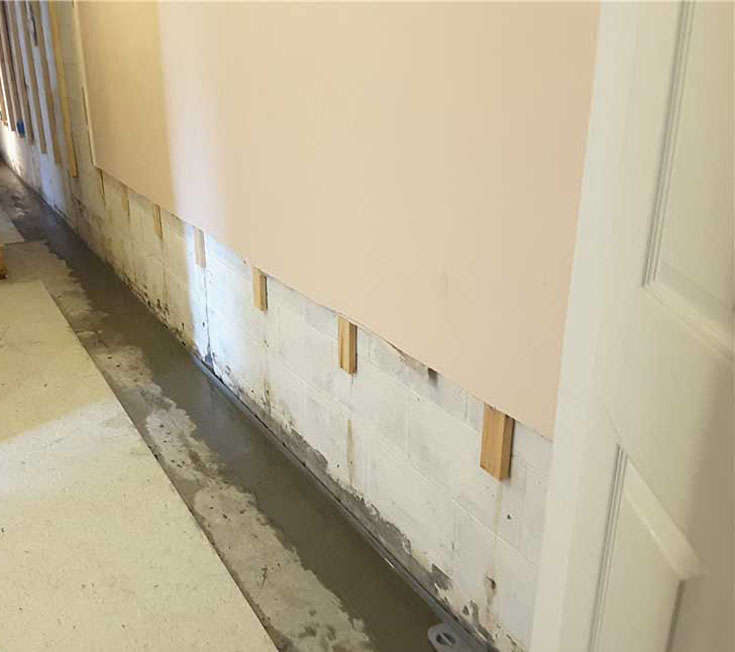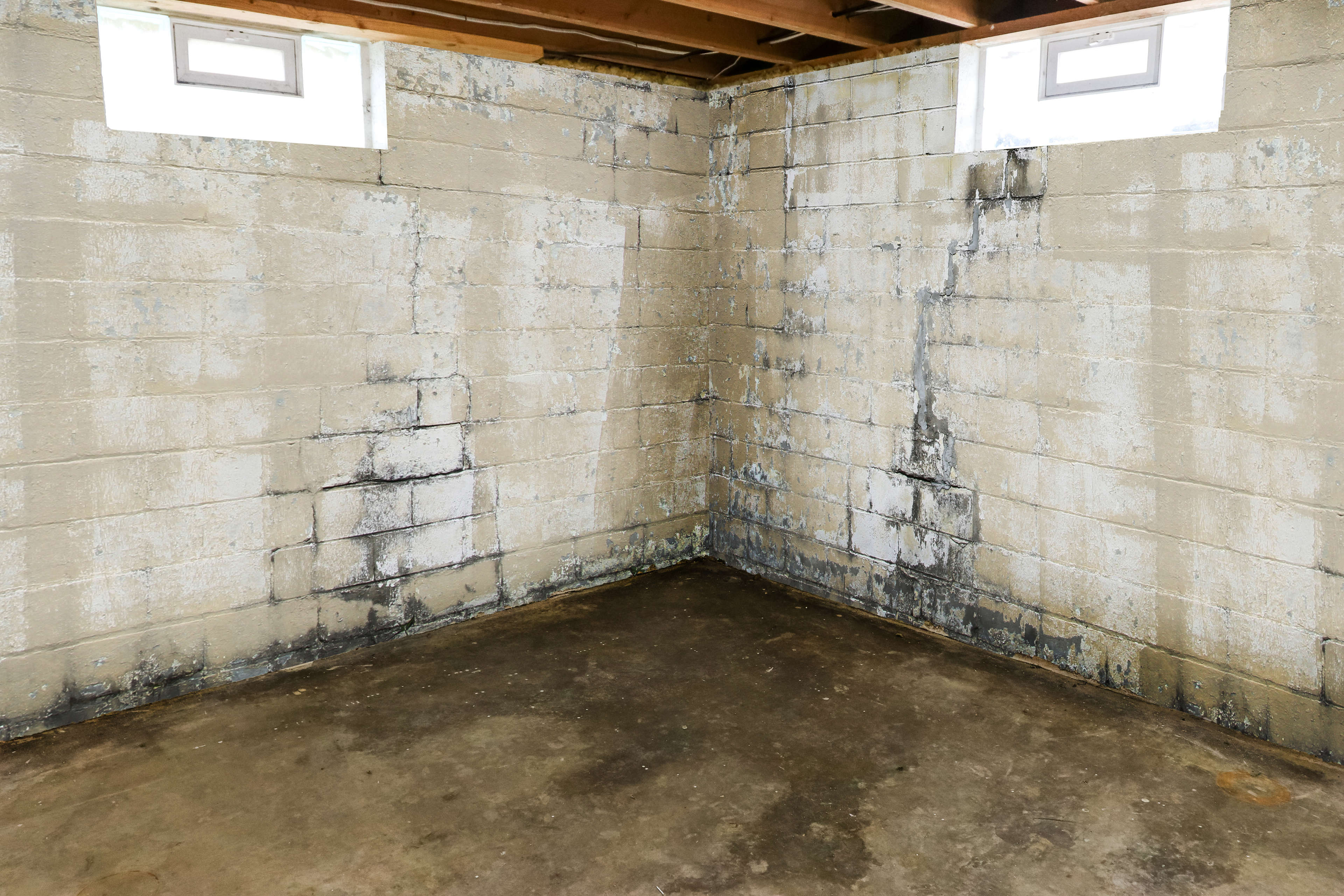
Efflorescence is a white or greyish crystalline salt deposit that appears on basement walls and masonry materials. It forms when water dissolves the salts within the porous construction materials and then evaporates, leaving the salts behind as a residue. While often cosmetic, efflorescence can signal moisture problems that may cause structural weaknesses.
Learn more about efflorescence below.
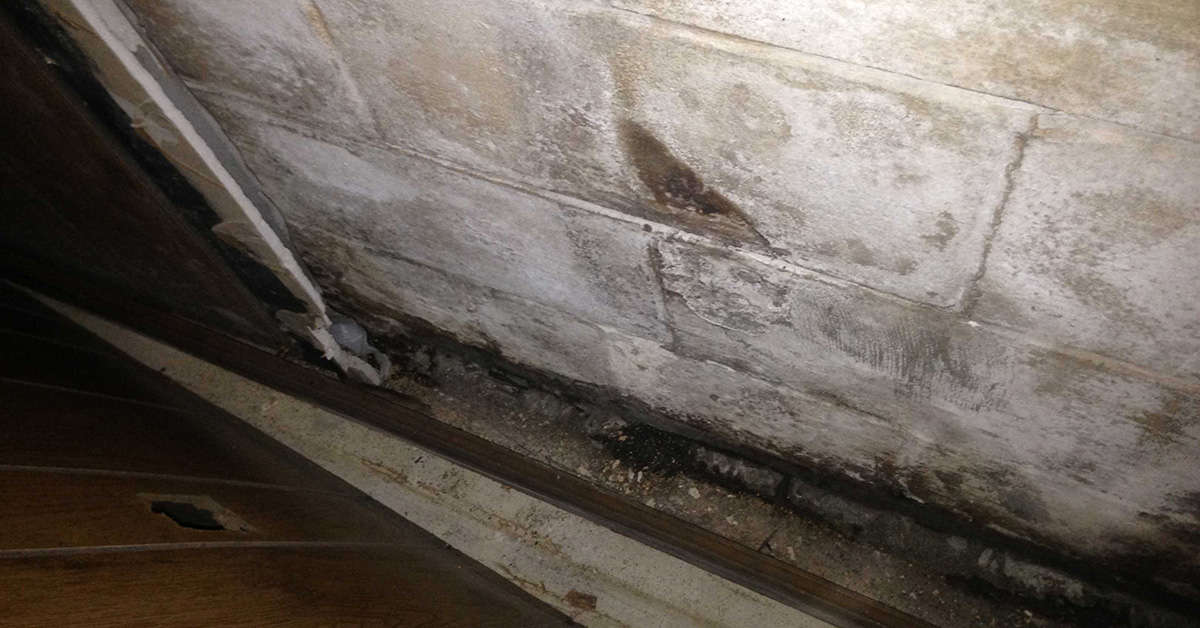
Efflorescence occurs when the soluble salts in concrete, brickwork, mortar, and other masonry materials dissolve in moisture and migrate to the surface. The causes of efflorescence include:
There are two main types of efflorescence based on the timing and moisture source: primary and secondary.
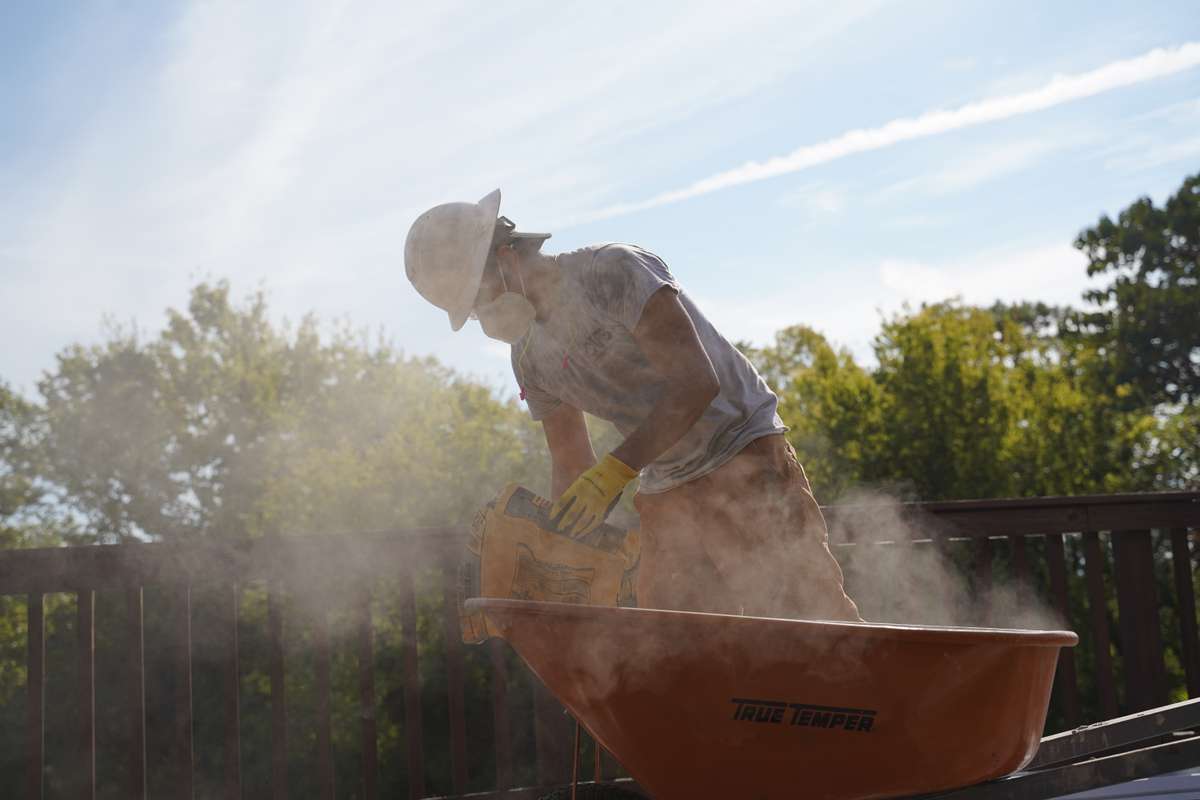
Primary efflorescence occurs within the first few days or weeks after concrete or masonry installation, as excess water used during mixing and curing dissolves the soluble salts already present in the construction materials and brings them to the surface.

Secondary efflorescence develops months or years after the material has cured. External water sources like rain, leaking pipes, or groundwater seep through the material, re-mobilizing the soluble salts already present.
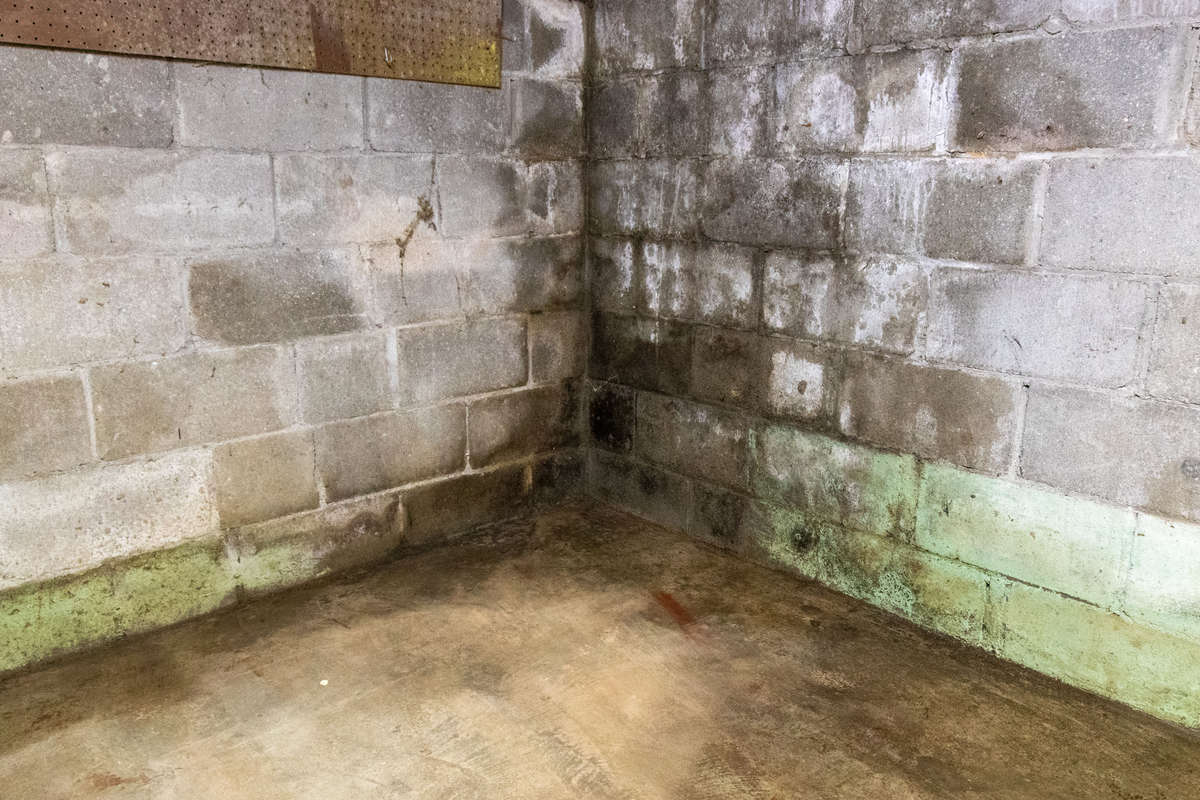
Natural weathering eventually removes some efflorescence, but this is a slow process. Here are several options to address the problem proactively:
General Rule: Always try gentler methods before using more aggressive chemical solutions.
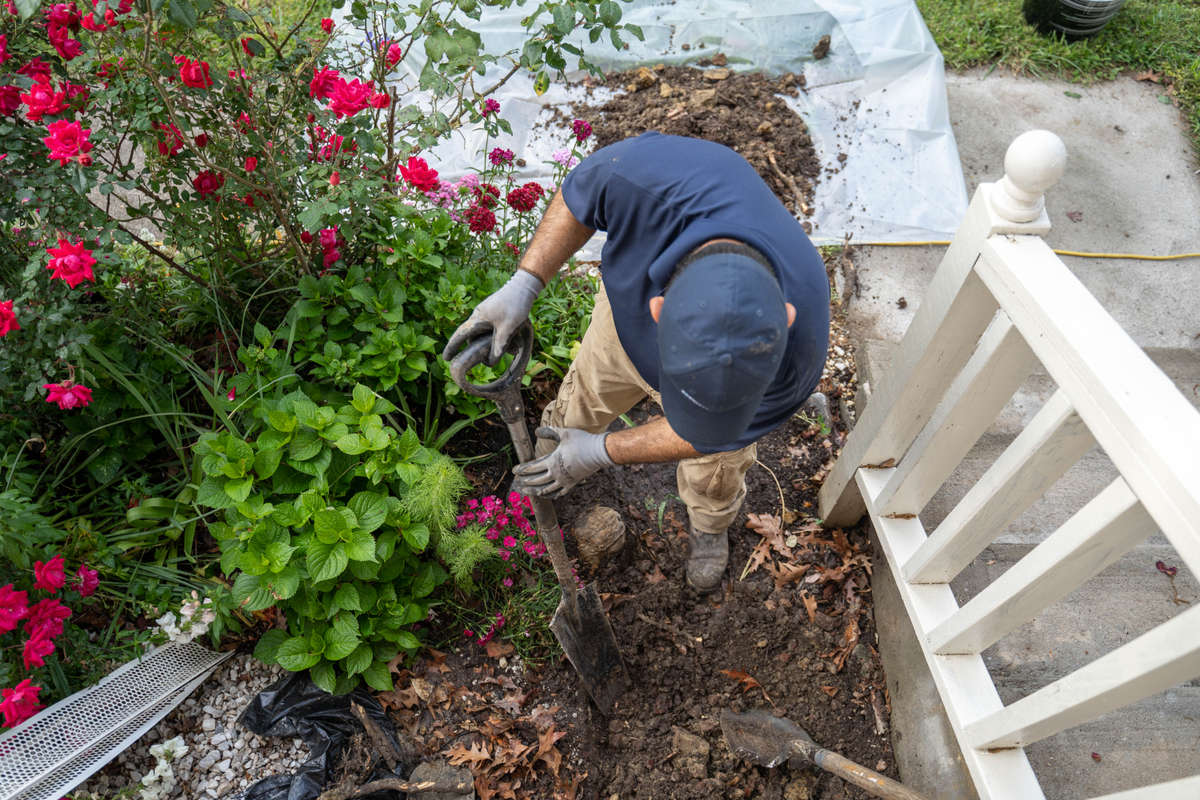
The best way to address efflorescence is through prevention measures, often requiring a basement waterproofing professional. However, there are a few solutions you can try on your own, including:
Though efflorescence is a normal by-product of masonry construction, it may also indicate water intrusion. If you notice flaky white deposits on basement walls or floors, contact a foundation repair expert to address the problem with professional basement waterproofing or crawlspace encapsulation solutions.
JES Foundation Repair offers free inspections to address water and moisture issues at their core. Contact us today for more information.
Fixing efflorescence isn’t an easy task, but it’s one that you can do. It’s important that you talk to a JES basement waterproofing specialist and schedule an inspection instead of trying to do this job on your own. That way, you can be confident that you’ve discovered and handled the actual root of the problem.
You can remove the chalky buildup with a stiff brush, but the only way to get rid of efflorescence for good is to remove the source of the water. To do that, you need to talk to a basement waterproofing expert from JES, who will address your concerns at the root.
Efflorescence in and of itself isn’t always a problem in the basement; you can simply brush it off with a stiff brush. The real problem is that this efflorescence may be indicative of a much deeper problem — if you have a water leak in your basement, it can cause serious issues that go much deeper than the surface.
Groundworks
Who is the Groundworks Editorial Team? We're a small team of writers and researchers who spend our days digging into foundation repair, crawl spaces, and everything else that keeps a house standing. We work closely with Groundworks' field experts to make sure what we publish holds up — because when it's your home on the line, "probably right" isn't good enough.