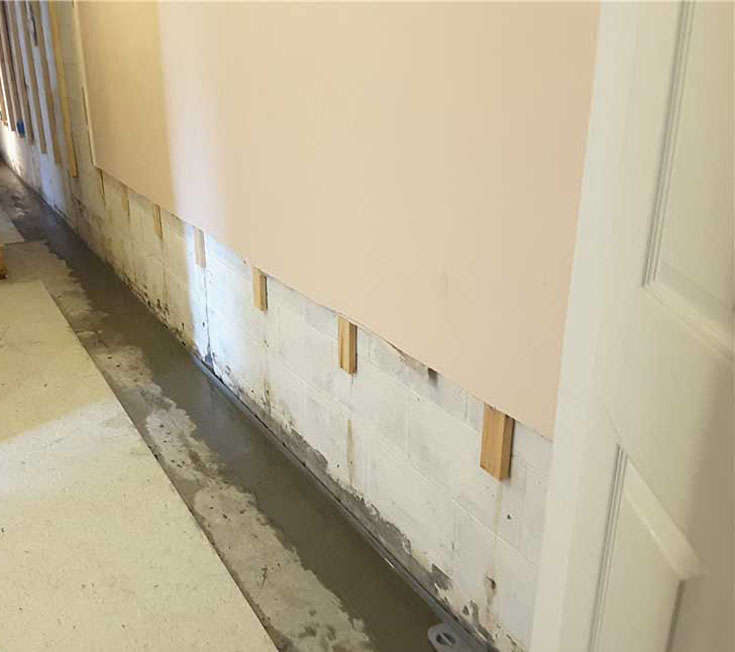
Have you noticed damp areas along your basement floor or corners? If so, it may indicate a more significant problem than you realize. Water seepage causes a host of problems, like cracks and mold growth.
Learn more about cove joints and the waterproofing methods that help solve basement moisture issues.
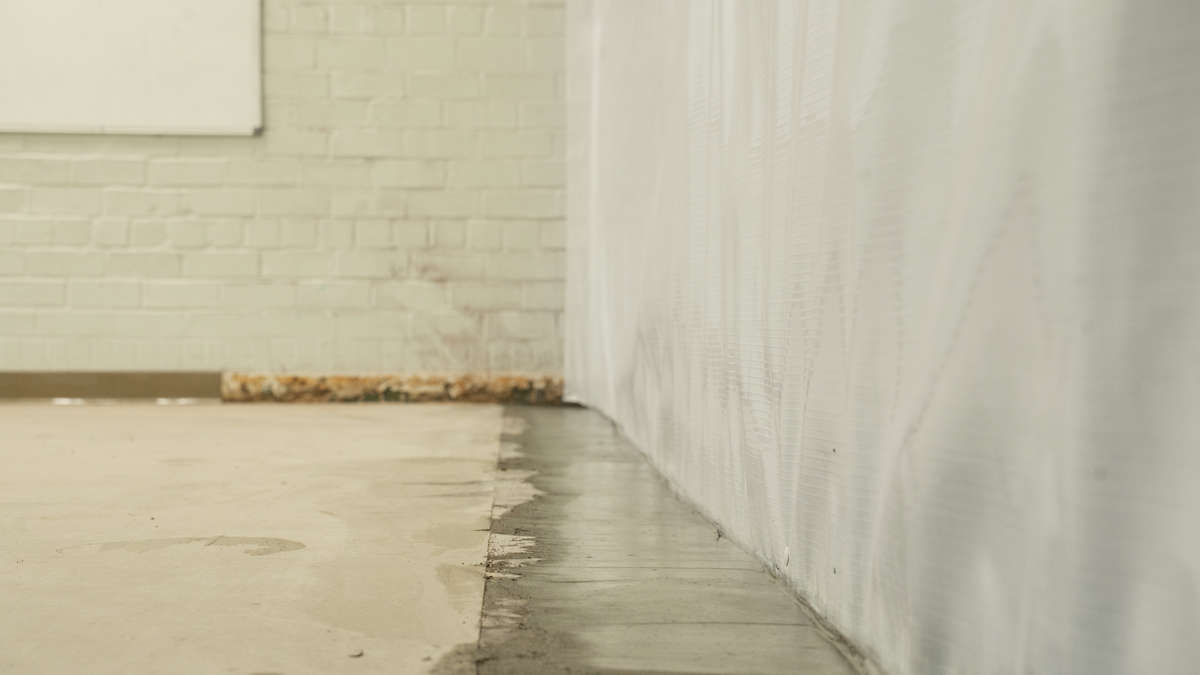
A cove joint is the junction where your basement floor meets the foundation walls. This area is common for water seepage. Here is how cove joints are formed during your home’s construction:
Cove joint formation occurs when fresh concrete does not adhere to the previously cured concrete. This causes the footing and walls to form as separate elements rather than one cohesive unit.
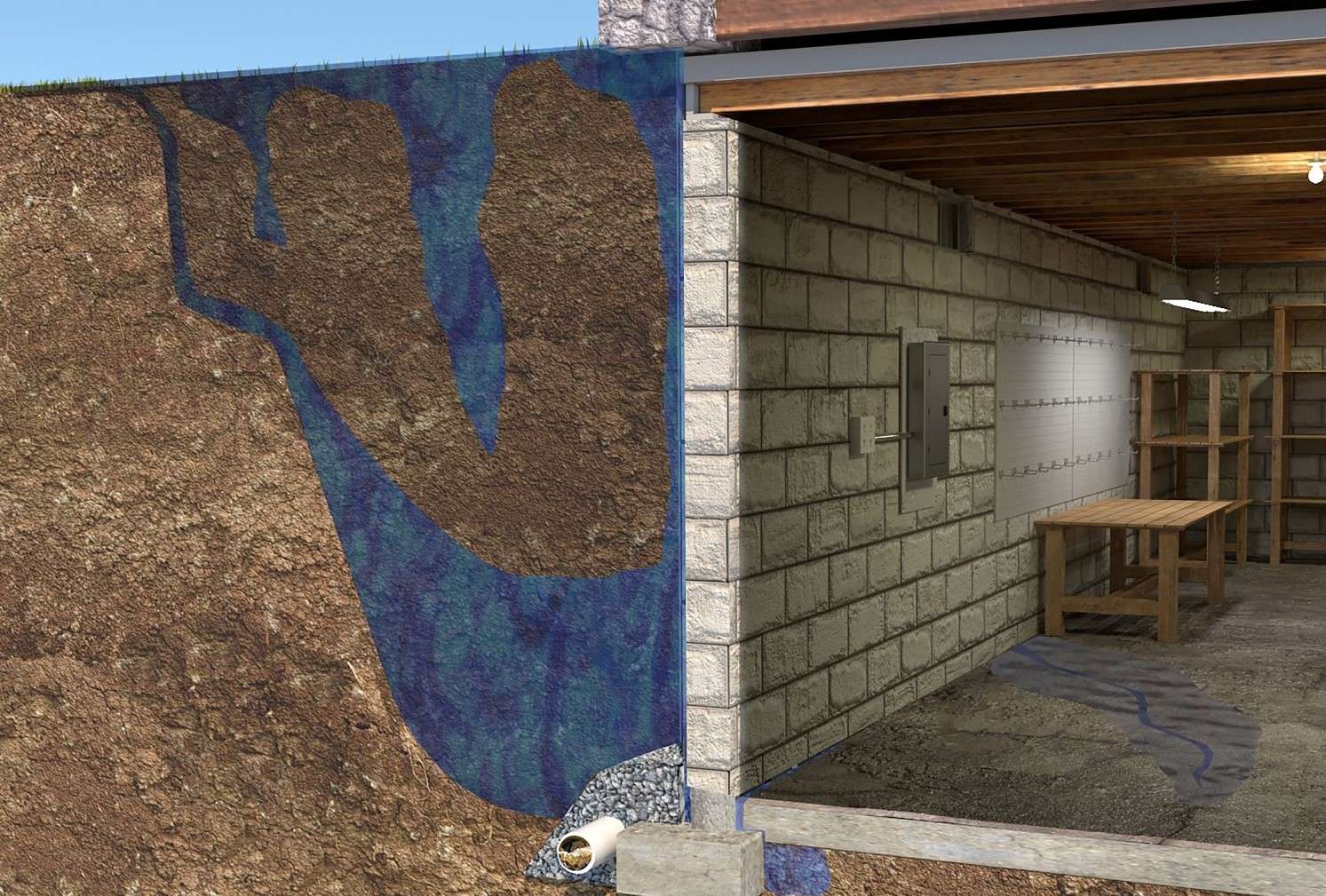
When it rains, the soil around the foundation walls and under the basement becomes saturated with water. As moisture levels rise, increased pressure against the foundation occurs, causing water seepage through basement cove joints.

If you suspect cove joint leaks, inspect the area. If you notice water entry through the gap adjoining the wall and floor, cove joint seepage is likely.
Sometimes, these signs are not immediately visible, and you might only notice minor leaks after heavy rainfall. This problem can worsen if not addressed, leading to water pooling on the basement floor, mold growth, and foundation damage.
Contact a foundation repair professional if you observe water in this area.
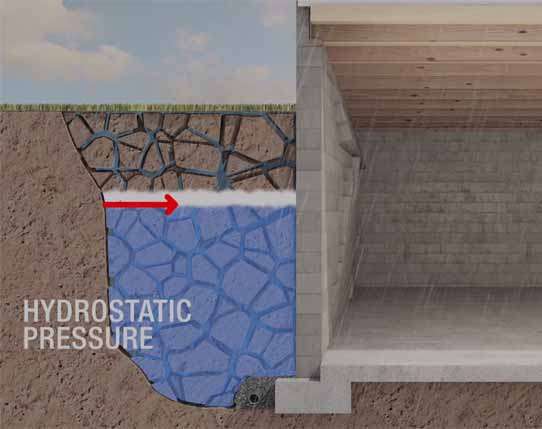
Moisture infiltration and water seepage can damage your home, so it is crucial to repair leaks promptly. While many waterproofing companies recommend sealing cove joints, expert builders discourage it for several reasons. Sealing is a temporary fix that does not address the underlying problem. Here’s why:
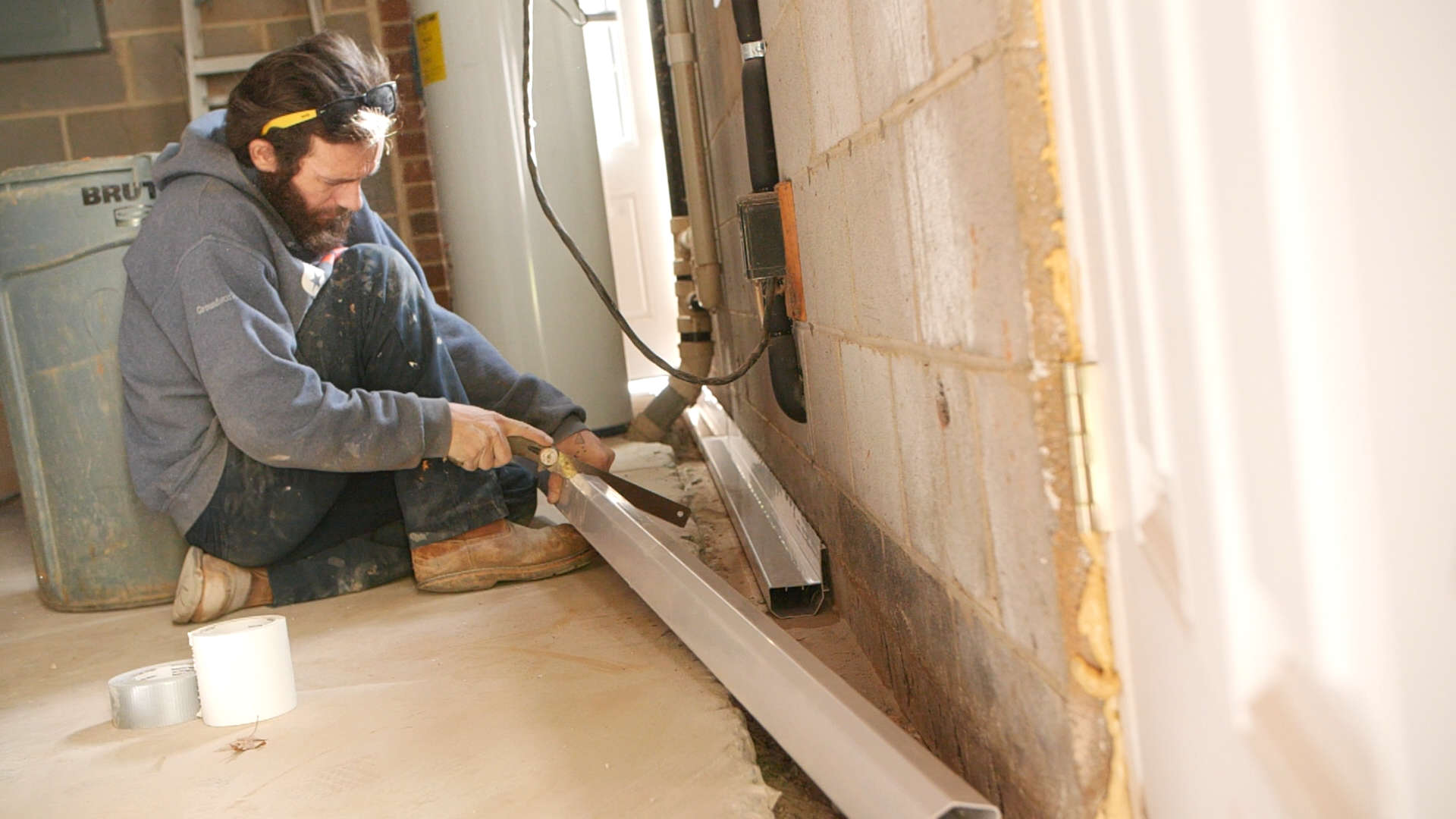
Resolving cove joint seepage involves alleviating hydrostatic pressure and redirecting water from the basement. One of the most effective methods is installing an interior drainage system.
Basement waterproofing experts install interior drainage systems by drilling weep holes in the bottom course of the walls to alleviate pressure and allow water to escape.
They then place a specially designed perforated pipe in trenches excavated around the basement’s perimeter.
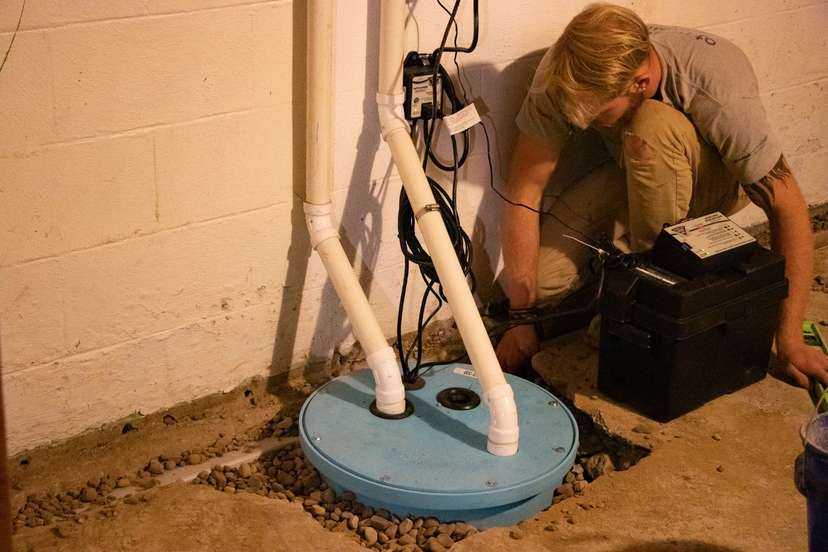
The drainage channels connect to a sump pump, which collects the water and directs it away from the home, preventing it from entering through the cove joint.
Think your home may have cove joint problems? Contact the experts at JES Foundation Repair for a free inspection to find out for sure. Our waterproofing and drainage solutions ensure your home remains safe and dry.
Not necessarily. However, cracks, especially those that are widening or horizontal, can become entry points for moisture over time. Even if they’re not causing issues now, they might in the future. Regularly inspecting and addressing cracks early can prevent larger problems down the road. Contact JES Foundation Repair for an assessment of any cracks or potential vulnerabilities in your basement.
It’s recommended to regularly check your basement for common problem signs, especially after heavy rainfalls or during seasons with increased precipitation. Monthly checks can help you spot early signs of water intrusion, allowing for timely intervention.
Groundworks
Who is the Groundworks Editorial Team? We're a small team of writers and researchers who spend our days digging into foundation repair, crawl spaces, and everything else that keeps a house standing. We work closely with Groundworks' field experts to make sure what we publish holds up — because when it's your home on the line, "probably right" isn't good enough.