
1. Leaking Pipes
When your drainage or water pipes develop a leak, the water seeps into the basement. For these issues, it’s best to call a trusted local plumber like A1 Sewer and Drain for assistance.

Humidity is pretty normal in most places, depending on the season, but your basement is not a place you want it getting in.
If your basement is getting uncomfortably hot and humid, it could be poor ventilation that allows moisture build-up, but it could also be a sign that your basement is leaking or has water pooling beneath it.
Either way, excess moisture encourages mold growth, which leads to future health problems. Sadly, most people don’t resolve their basement moisture problems until an explosion of mold growth is already in progress.
So, here’s 5 reasons why your basement is getting so hot and humid, and how you can stop it before it’s too late.
When your drainage or water pipes develop a leak, the water seeps into the basement. For these issues, it’s best to call a trusted local plumber like A1 Sewer and Drain for assistance.
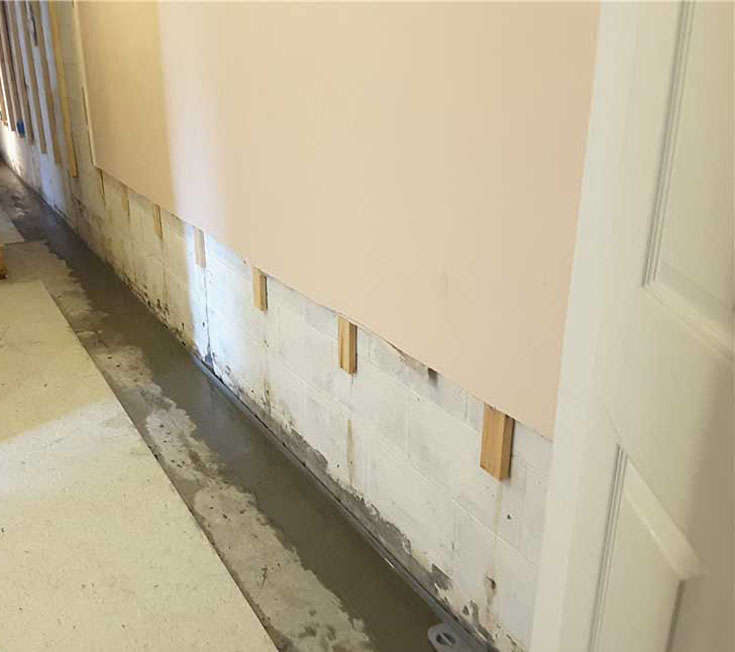
Another common cause of wet foundations is saturated soil. The moisture from such soil rises and seeps through the porous blocks into your basement.
Naturally, the basement is much cooler than the other rooms in your home. When warm air flows into the basement and mixes with the cold air inside, condensation is bound to happen, leading to wet walls and floors.
Every plumber knows that with time, all unused water pipes leak. If you have some basement water pipes that are not in use, they might introduce moisture into your basement.
If the ground level does not slope away from the basement, water can find its way into your basement during the rainy season.
When hydrostatic pressure in the surrounding soil builds, it puts pressure on your basement walls. The walls then start to crack. The cracks start out as almost invisible entry points for moisture, so they’re hard to detect. The immediate effect is high humidity and increased heat which leads to mold growth, but they can continue to expand and become structural problems.
For these, you need to be proactive: call a local basement repair expert for help now!
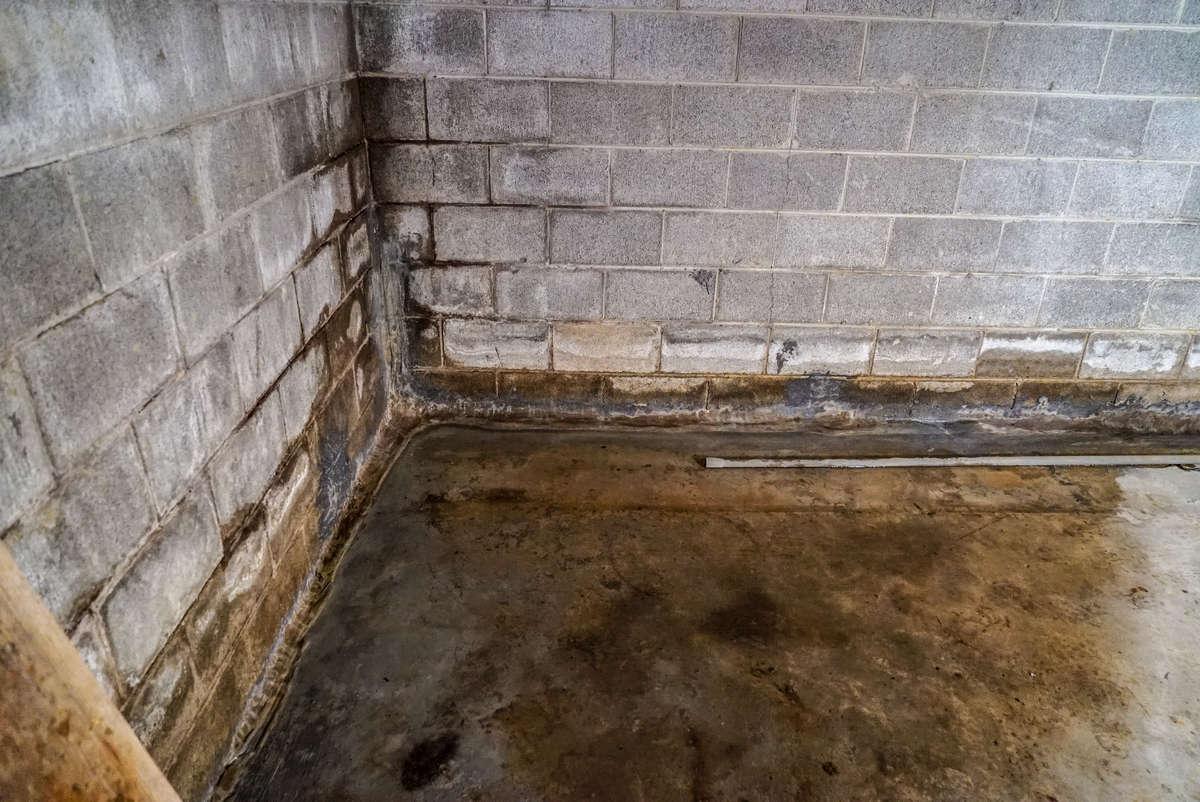
The first step is usually identifying if you have a leak or water under the basement.
Some of the telltale signs include:
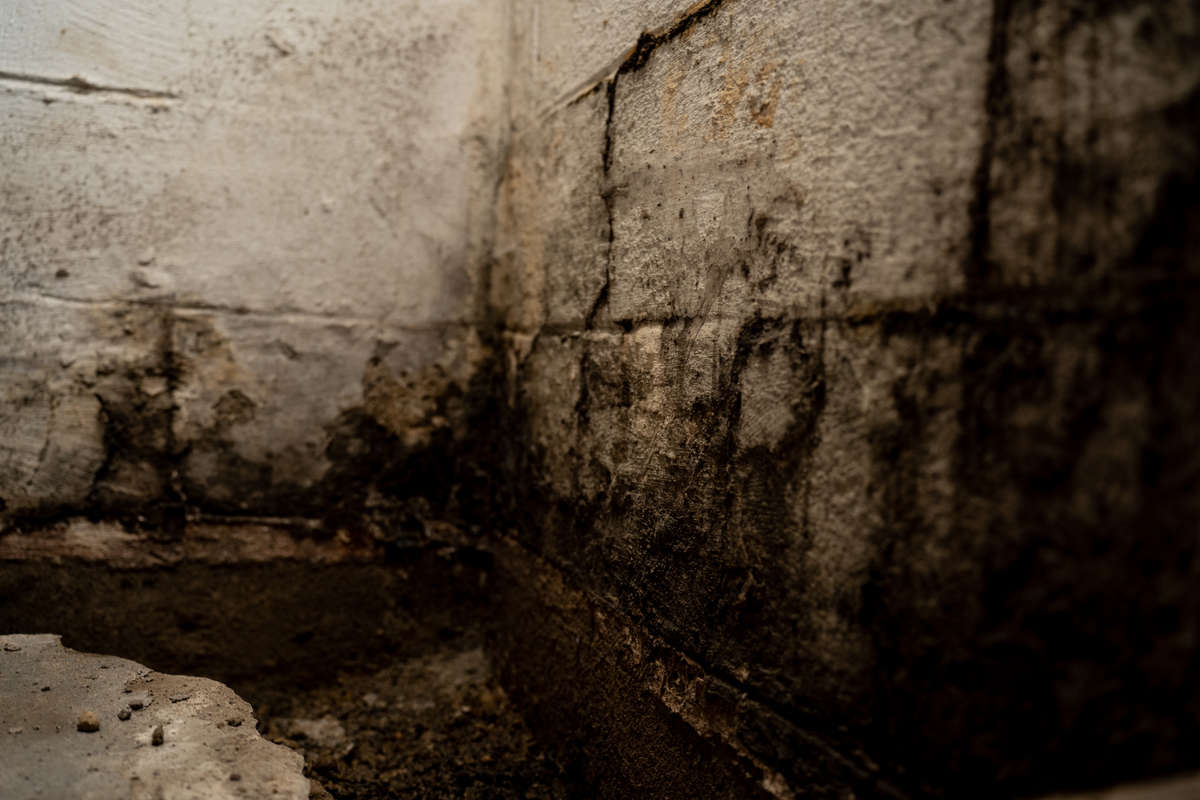
Neglecting a wet and humid basement can lead to a host of problems that compromise the integrity and comfort of your home. Persistent moisture can cause mold and mildew to flourish, which not only emits an unpleasant odor but also poses health risks. The excessive dampness can warp and rot structural supports and ruin insulation, leading to costly repairs.
A chronically wet basement weakens the foundation of your house, potentially resulting in serious structural damage over time. And creates an inviting habitat for pests like termites and rodents. Without intervention, these issues can diminish the value of your property and the quality of your living environment.
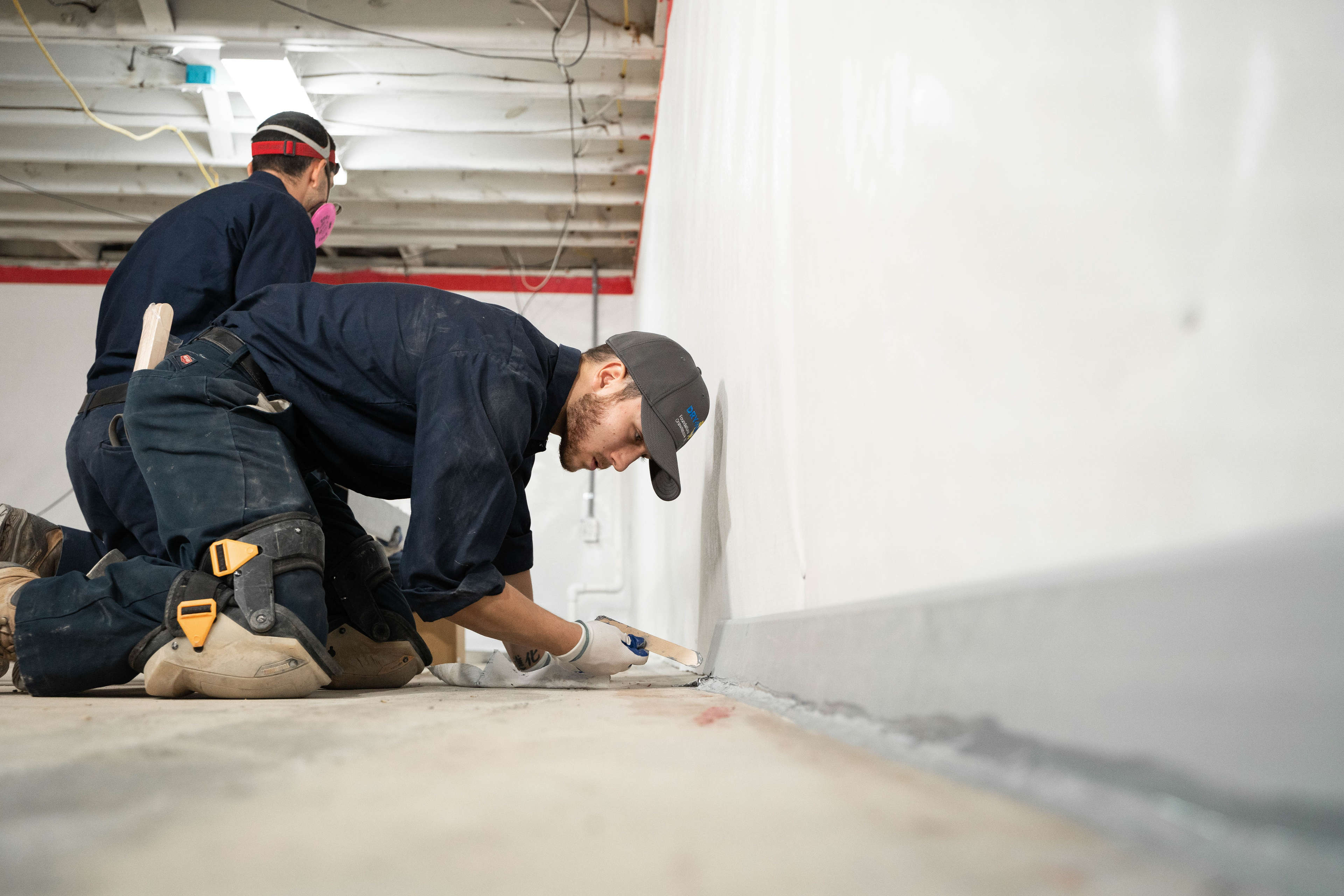
Understanding the cause of your wet or humid basement is crucial in identifying a lasting solution. While a dehumidifier can mitigate moisture temporarily, it doesn’t tackle the root problem, like leaking pipes, which require a plumber’s expertise for a permanent fix. Enhancing ventilation, especially in moisture-prone areas like bathrooms, is another strategy to expel damp air from your home, though it may necessitate a professional evaluation of your HVAC system.
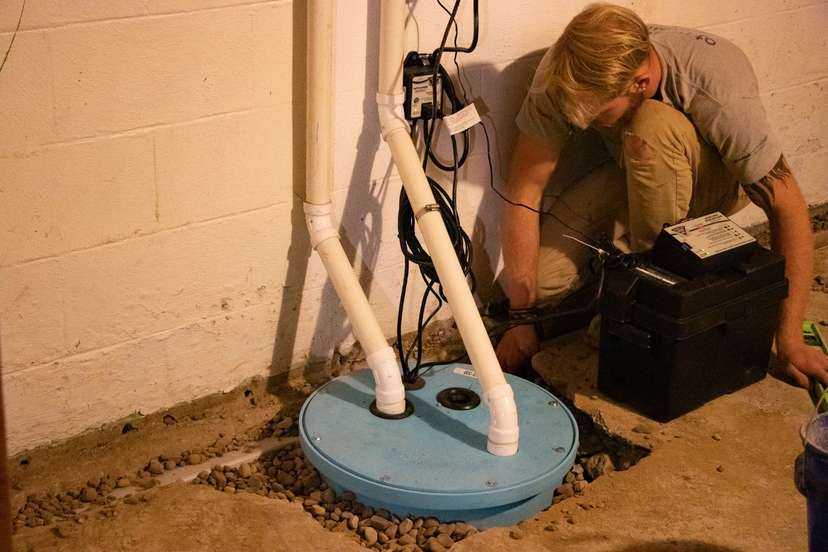
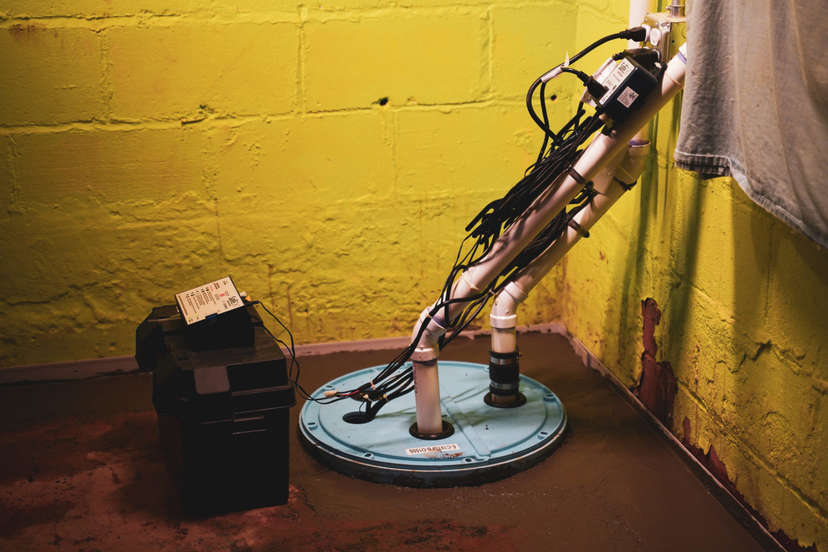
For a more comprehensive approach, combining a sump pump with an interior drainage system, such as BasementGutter™, ensures efficient water removal, while a dehumidifier addresses the remaining moisture in the air. Reach out to JES Foundation Repair for a free basement waterproofing inspection and solutions that safeguard your home from water damage.