Richmond, VA, has some of the most beautiful historic homes in the United States. That history, though, comes with a few waterproofing problems that modern homes don’t have to deal with.
The good news is that waterproofing options are available for older homes. Unfortunately, they will be more complex to implement than they would be if you lived somewhere else.
Why? Let’s examine some of the differences between waterproofing new and old homes so you can better budget for your historic repairs.
Richmond’s original residents used their basements for different things that an average family today does. For example, where basements can nowadays double as entertainment areas or even full suites, they were once primarily pantries or places to store fuel that a family would need to access to keep the home running.
Even basements that stored food once upon a time wouldn’t need the extensive waterproofing that so many homeowners now see as essential. Partner that lack of waterproofing with a foundation made out of brick or rubble, and you can see how water so easily gets into these older homes.
Other reasons older homes in Richmond tend to flood with such frequency include:
Naturally, if you want to use your older basement as a place where guests can stay or entertain themselves, you’re going to want to beef up your home’s waterproofing. Here, though, is where the architectural practices of old are actively going to work against you.
While your older home may have a sturdy foundation, it’s not going to have the wall footings that modern homes do. Your basement may not even have an updated floor. As a result, the process of excavating the perimeter of your home can turn your sturdy foundation into a less sturdy support system.
What does this mean for you? Above all else, it means that you should leave the waterproofing of an older home to the professionals. Do not try to DIY your older home waterproofing. If you do, you risk compromising the structural integrity of your home and making any existing problems with your basement or foundation worse.
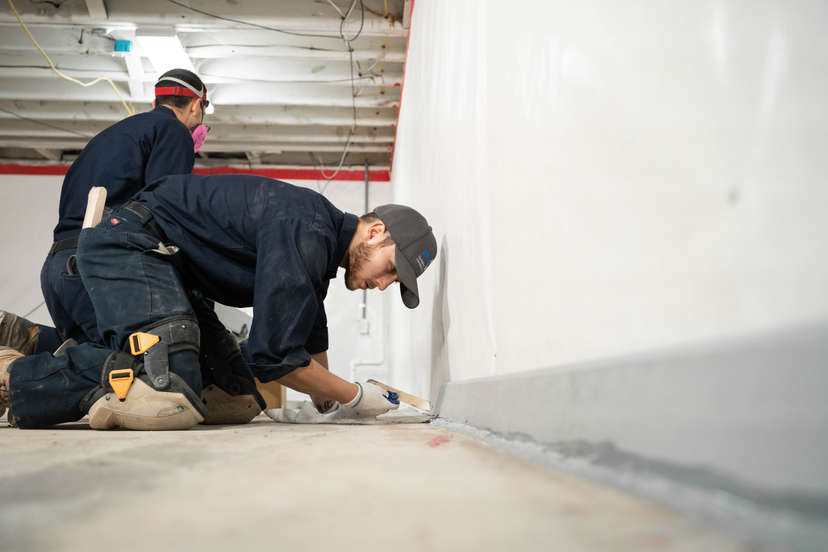
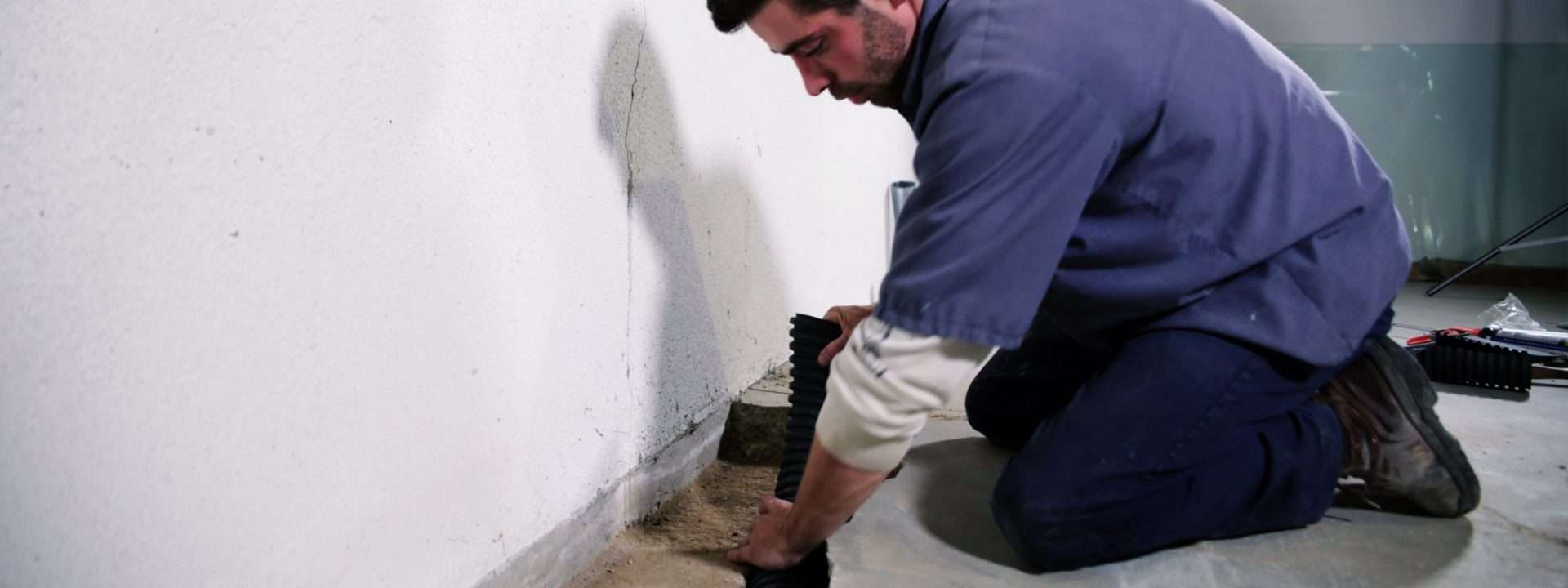
If you can’t waterproof your older home from the outside in, what waterproofing solutions can you take advantage of? Luckily, a number of contractors in the Richmond area have come up with solutions designed to help families living in the area’s most historic homes.
These solutions include:
It may be harder to waterproof an older home than to clean up a new one, but that doesn’t mean it’s impossible. Contact JES Foundation Repair for help reclaiming a dry basement today!
Get Your Free Estimate!Some waterproofing solutions are temporary, whereas others can last longer if they’re more comprehensive. The type of waterproofing that involves interior drainage installed by a reliable basement waterproofing professional is a more permanent solution. Comparatively, sealant waterproofing lasts between one and two years, depending on the type of sealant you used.
Basement finishing has become more and more popular in recent years as homeowners seek to make the most of every square inch of space that their home has to offer. There are many regulatory requirements around what is needed to class a basement as a ‘habitable space’. For example, you will need an egress window of a certain size. However, waterproofing is not technically necessary to finish your basement fully.
However, it is a very good idea to waterproof your basement before you begin any finishing work. After all, nothing is certain to ruin your hard work and furnishings quite like dampness, flooding, and mold. The benefits of waterproofing your basement before finishing it are many, and the process itself should be very straightforward and cost-effective, unless there are serious underlying issues that must be addressed first.
Generally speaking, waterproofing your basement will start with clearing all obstructions and debris from the space. After this, insulation will be cut to size and installed alongside vapor barriers to prevent moisture from seeping through the bare concrete walls and into your home. Depending on the space you have, a professional may also suggest perimeter drains and a sump pump system to make sure that your finished basement stays safe and dry in even the worst weather. Waterproofing your basement before you finish it will not only protect your hard work, but will make your finished basement more comfortable to be in.
JES Foundation Repair offers a wide number of drainage systems that can be installed within your basement for efficient moisture and water control. Arguably, one of the most important drainage systems is sump pumps: basins that can intake large amounts of water found in and around your home and redirect this water elsewhere so that you do not experience leaks or floods. The SafeDri™ ProPlus 330 is the most basic model, and the SafeDri™ UltraPro Triple Sump Pump System has an additional pump for heavy-duty jobs. Homeowners also have the option of the SafeDri™ ProPlus with Battery Backup System, which includes a battery backup that kicks into gear in the event of a power failure.
If you notice that water is entering your basement from any doorway openings, the BasementGutter™ Grated Drain Pipe is the solution for you. It is installed directly into the floor at any entryway, therefore capturing any water that may enter your basement through it. The holes of the grate are also small enough to block larger pieces of debris from entering, and even then, the drain pipe is easy to clean. Another option is the BasementGutter™ Interior Drain System, which lines the perimeter of your basement and is both resistant to being clogged and non-invasive to your space.
JES Foundation Repair also offers a basement dehumidifier that can remove 4 times the amount of water from the air than the commercial brands. It is also highly efficient since it drains on its own and can be adjusted to remove as much or as little moisture as you deem necessary.
Groundworks
Who is the Groundworks Editorial Team? We're a small team of writers and researchers who spend our days digging into foundation repair, crawl spaces, and everything else that keeps a house standing. We work closely with Groundworks' field experts to make sure what we publish holds up — because when it's your home on the line, "probably right" isn't good enough.