Thousands of mold species exist in the world, so it isn’t realistic to go through each one here. However, mold can be categorized based on the color of its spores.
We’ll outline those differences here.
Yellow Mold
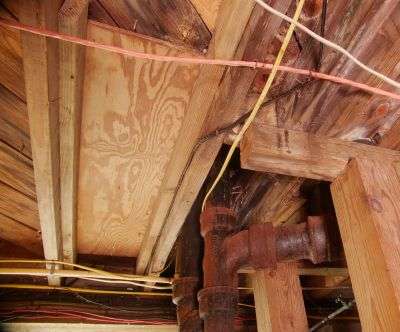
Yellow molds often arise in the dampest areas of a building. For that reason, this is the type of mold most common in crawl spaces.
Sometimes, yellow mold is called “house eating” mold because it literally feeds on wooden structures. That’s why yellow mold is the main cause of sagging floors and wood rot in many crawl spaces.
Green Mold
Molds that fall under this category release green colored spores. Green mold is often associated with spoiled food. However, green mold can also grow on household surfaces – specifically, the mold species known as Cladosporium.
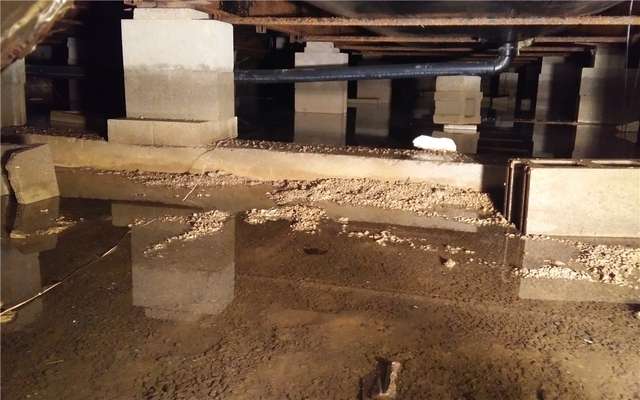
Like all other mold types, dark and damp environments are desirable to green mold, and your crawl space is the perfect match, especially in the Tidewater Region where rain and humidity are high.
White Mold
White mold often appears fuzzy and blueish white in color. Some homeowners may confuse efflorescence for white mold, but they are not the same.
Efflorescence is a powdery salt deposit that appears on stone walls – mold will spread to organic materials like wood or carpet instead.
Penicillium is a well-known type of white mold that often grows in crawl spaces in North Carolina. Like all other types of molds, white mold damages structures and may cause health problems.
Black Mold
Black mold has a reputation for causing serious health problems. Even though all mold types put your health at risk, black mold can be especially toxic.
Thankfully, black mold is very unlikely to grow in your crawl space unless your home experiences a huge flood or plumbing leak. However, due to the Tidewater Region’s proximity to the coast, it’s worth having your home inspected for black mold.