85% of all structural damage is caused by poor drainage.
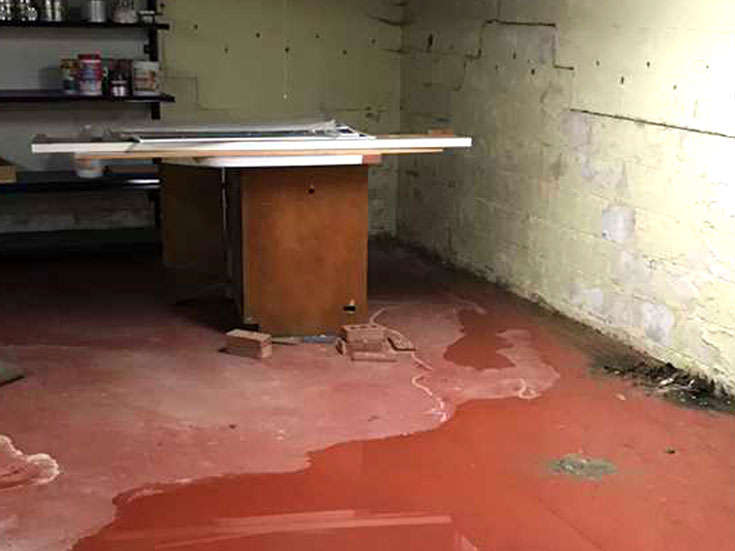
Anyone who has dealt with a flooded basement knows how frustrating and messy cleanup and remediation can be. Add to that the cost of repairs, and you’ll see why waterproofing the basement makes sense. Basement waterproofing not only prevents floodwater and moisture from damaging your basement floor and walls, but more importantly, it keeps your home dry and free of mold.
When waterproofing the basement, you have three options. You can waterproof the interior, the exterior, or both. Let’s see what each involves.
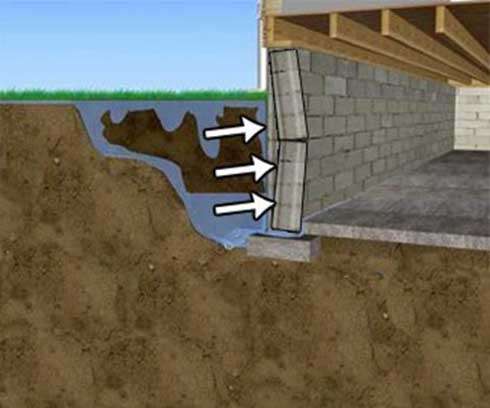
A drainage pipe is essentially a gutter for groundwater that is installed either inside or outside the perimeter of your foundation walls. This perforated pipe is specially designed to provide optimal drainage for your property, significantly reducing the likelihood of basement flooding, structural damage, and related problems.
Once your foundation is built, tar coating and drainage pipes with filter fabric are set in place on your home’s exterior to stop water infiltration into the basement. If the tar coating and drainpipes are functional and in good shape, they’ll prevent water from building up around your walls.
The best time to install exterior drainpipes is during home construction. Afterward, installation will prove difficult as a contractor may have to dig all the way down to install them.
The right drainage system will give you peace of mind and save you thousands of dollars in repairs in the long run. Here are some qualities of good exterior drainpipes:
Sealing the interior is the first step in preventing future water damage from leaks or flooding. The process starts by opening a trench inside the basement. Next, an internal drainage system is installed within the trench to direct water that gathers to a sump pump. After this, the trench is sealed with concrete. Internal sealants are then used to seal cracks that may let water seep through to the basement.
Though they cannot stop flooding in the long term, sealing closes up cracks on walls, floors, and ceiling so no water gets inside. The most effective solution to flooding is to install basement sump pumps. When submersed, the sump pump will drain out large quantities of water, quickly eliminating the threats posed by floods, including water damage.
Concrete breakout is a common technique in full interior basement waterproofing. It’s useful in identifying leaks and potential leaks in the basement and walls of the foundation. For an amateur, this is hard, risky work, but for waterproofing experts, it’s a relatively easy repair that takes no time.
Summers can be hot and humid in Virginia, something that can make the indoors unbearable. If you find there’s too much moisture in the air, consider installing a dehumidifier. It will bring down the moisture levels in your basement to about 50 percent. Reducing moisture levels will discourage mold growth and reduce the amount of time you’ll need to run your air conditioner.
Don’t forget to install a basement grated drain pipe, as it will keep floodwaters out of your entryway.
Exterior drainage pipes are a crucial guard against water damage, channeling away excess water from your property. Installed around the foundation perimeter, these flexible, perforated pipes can effectively work in tandem with interior basement drains and sump pumps, creating a comprehensive waterproofing solution. However, caution is required as these systems can be prone to clogs or damage due to weight from above, leading to potential leaks.
While the exterior might appear safe, moisture issues can arise, especially around the basement. Look out for cold, damp floors and water puddles as indicators. A well-executed exterior waterproofing plan not only keeps your basement dry but also prevents moisture buildup, stains, and the growth of mold and mildew. Combined with internal proofing, it’s a formidable barrier to water intrusion.
The first step in waterproofing is to divert water away from the basement and foundation walls via gutters and downspouts. Ensuring these systems are clear and functional is key. Following this, excavate the ground around your foundation to install a waterproofing membrane and drainage panels. This setup prevents groundwater from reaching basement walls and guides water to the drain below your foundation. Ensure the area is sloped to prevent water accumulation.
If a driveway is present, incorporate drains to divert water away from the home. Metal grates are recommended to prevent debris and leaf blockages.
Although drainpipes may be expensive to install and maintain, they offer many benefits:
Exterior drainpipes also have disadvantages, including:
Interior drainage systems like the BasementGutter™ system and sump pumps are longer-lasting alternatives to exterior drainpipes. Both systems are easy to install, safer, and more convenient than typical drainpipes on the outside.
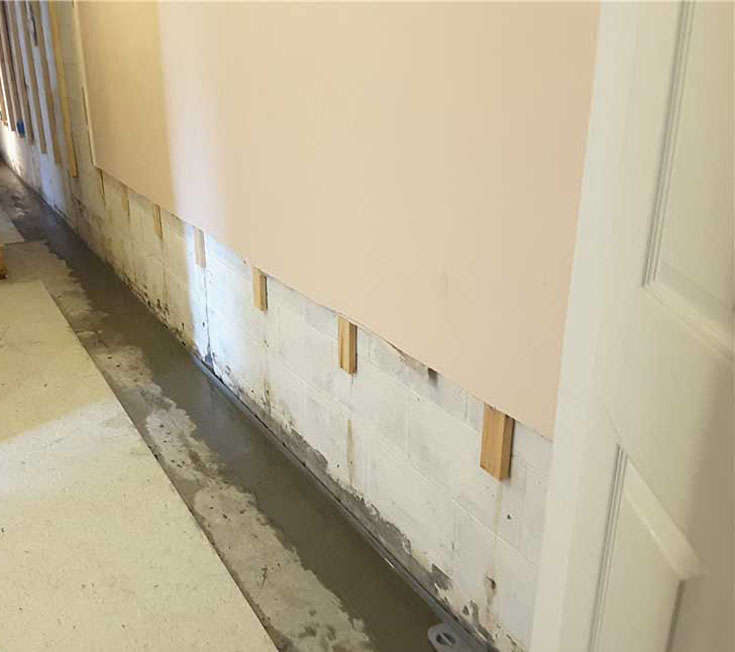
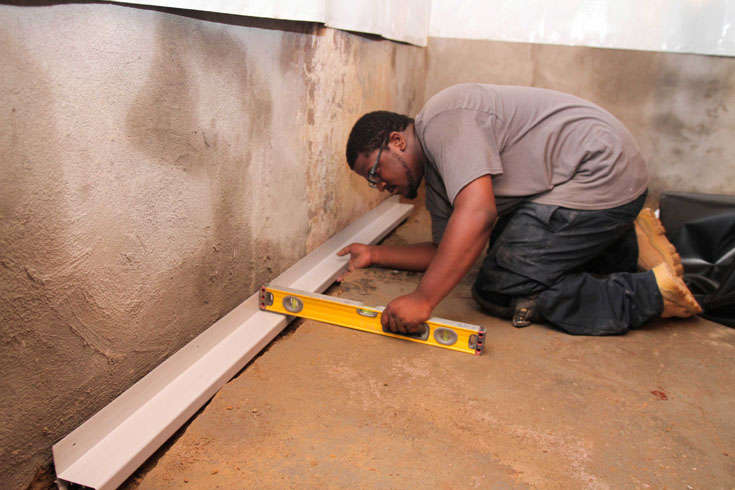
The BasementGutter™ system is installed atop the footing in the subfloor, rather than in dirt or mud. It collects water that enters the basement and channels it to a sump pump, which then ejects it outside. This helps keep your basement dry and protected from water damage.
If you want peace of mind knowing your home is properly protected, contact JES Foundation Repair for a free inspection and repair quote. Our team will evaluate your home, recommend the right interior drainage solutions, and ensure your foundation remains safe and dry.
Ideally, interior drains and grated drainage pipes are installed during the construction of the home. This allows for foundation construction to accommodate the necessary trenches for a drainage network before concrete is poured. Unfortunately, this isn’t always the case, and experts (like us) are required to step in and do what must be done.
Post-Construction Procedure
In cases where a drainage system needs to be installed post-construction, after a solution has been designed trenches will be dug. Often this means excavating part of the basement, which can be a time-consuming and labor-intensive process. Which is also why we recommended hiring professionals, like us, to handle installation.
Laying the Drainage Network
Once trenches have been dug, the drains and backfill (which may include additional matrix) are laid within. Depending on the extent of the system being installed, a sump pump and French drain perimeter system may be installed as well. After everything is connected, the floors will be repaired leaving only the grated gutter opening exposed.
Yes, the way your landscape is designed can impact your basement’s moisture levels. Improper grading or drainage can lead to water pooling around your foundation, increasing the risk of water seeping into your basement. Ensuring that your yard slopes away from your foundation and that downspouts direct water well away from your home can help mitigate this risk. If you suspect landscape-related moisture issues, JES Foundation Repair can provide guidance and solutions.
If you’re having clogging problems with a basement drain, especially if this is a recurring problem, chances are there’s a deeper issue than just a clog. Instead of trying to run a snake down in the drain, you may want to schedule an inspection from a JES basement waterproofing expert, who can assess and help you fix the situation.

Groundworks Editorial Team