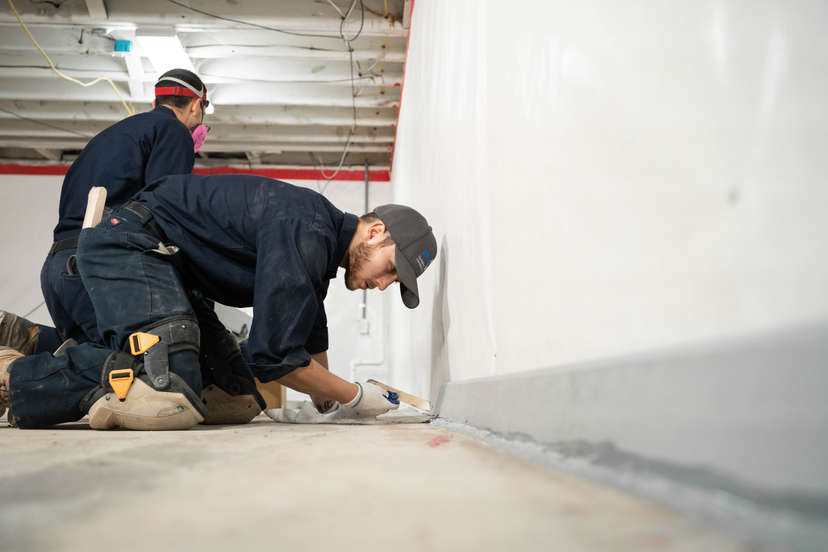
A cooler climate and the precipitation that comes with it make it challenging to keep your basement clean and safe. When you’re dealing with this kind of Virginia weather on a daily basis, you’ll want an effective drainage system that works.
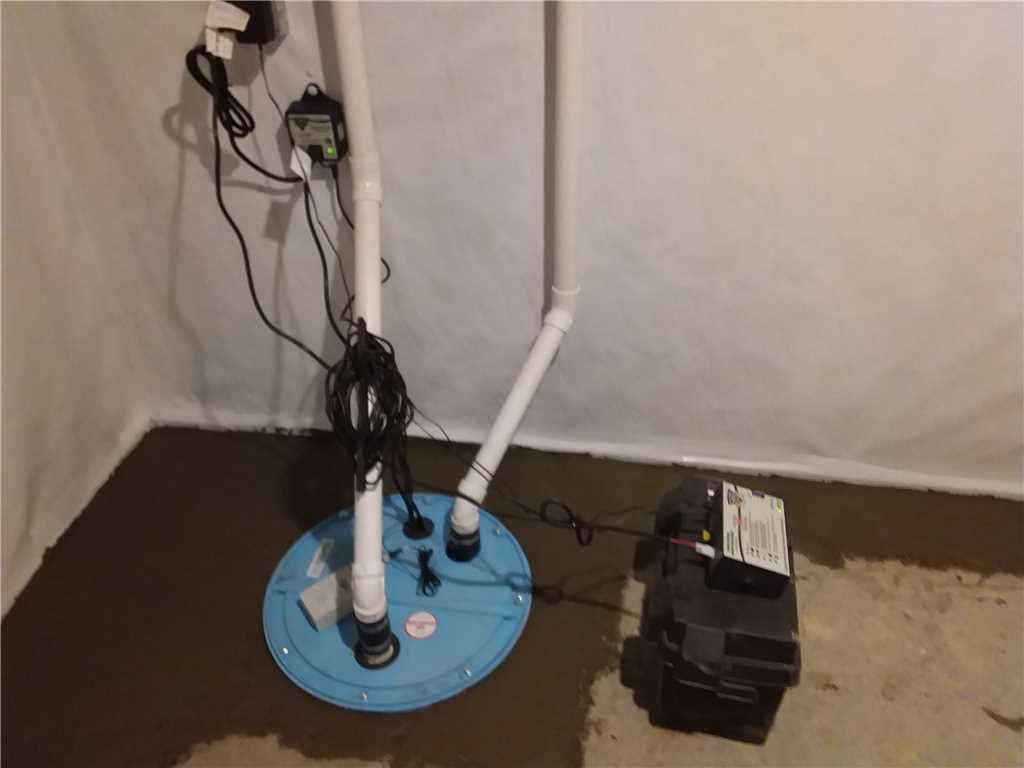
The basement waterproofing process can be completed without installing a drainage system. However, these kinds of waterproofing solutions are only temporary ones. If you’re experiencing more severe flooding, a draining system like a sump pump or a French drain will help you remove standing water from your basement quickly and easily. This page explains basement drainage and how to choose the right one for your home.
There are several ways your basement can flood, and not all flooding is the same. The most telling difference in types of floods is where the flood originates. For example, the flooding in your basement could begin at a cove joint or where your basement’s floor comes in contact with a wall.
Flooding at these joint points is often a sign of hydrostatic pressure build-up. Put another way, the dirt around your basement expands thanks to increased precipitation. As the water table beneath your home rises, your basement’s foundation endures excess pressure, and water starts to leak through the resulting basement wall cracks.
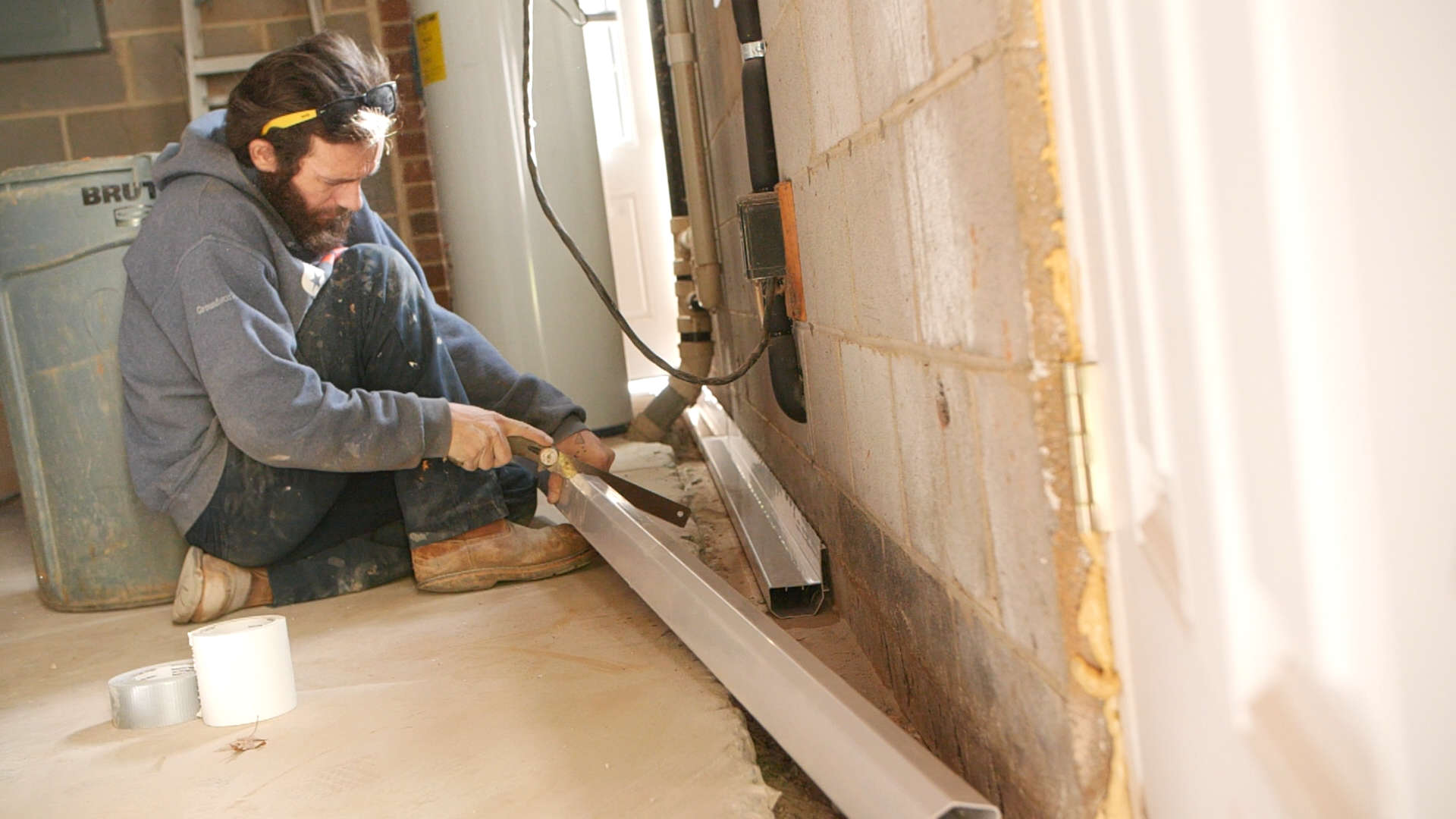
This is where interior drainage channels come in handy. These drains capture leaks at their entry point and directing them safely away from your home’s foundation. The system collects water seeping through walls or floors and channels it into a sump pump, which then discharges it outside. This approach prevents standing water, reduces hydrostatic pressure on foundation walls, and helps maintain a dry, healthy basement environment.
The installation process tends to take between one and two days, depending on the size of your home. This process will also require the input and guidance of an experienced contractor. In general, the process will play out as follows:
The biggest advantage of an interior drainage system is its effectiveness and efficiency in managing basement leaks from the inside. Installation is less invasive and more affordable than exterior excavation, and it can be done year-round without disturbing landscaping. Plus, it helps relieve hydrostatic pressure, protecting the foundation from further cracking or seepage.
However, interior drainage systems don’t stop water from entering your foundation walls; they simply manage it once it gets inside. They also rely on a sump pump, which means you’ll need ongoing maintenance and a backup power source to ensure reliability during storms or outages. For this and other reasons, an interior drainage system is best when paired with other basement waterproofing measures.

If you’re looking for an effective alternative to interior drainage tiles, why not move outdoors? The precipitation in Virginia sometimes requires the extensive protection of exterior drainage systems. Best of all, they can help prevent water from penetrating the basement in the first place.
These drains work to divert water pooling around your foundation to a more secure location. If your lawn slopes towards your home, or if there are cracks on your foundation walls, this can be a proactive defense against persistent moisture issues. The installation process typically takes between one and two days and typically plays out as follows:
Exterior drainage addresses water issues at the source, before moisture ever reaches your basement walls. They help redirect groundwater away from the home and significantly reduce hydrostatic pressure. This proactive approach not only keeps basements drier but also helps preserve the foundation’s long-term integrity. When done properly, exterior drainage can provide lasting waterproofing that prevents leaks rather than just managing them.
On the downside, exterior drainage installation is a major undertaking. It requires excavating around the entire foundation, which can be expensive, time-consuming, and disruptive to landscaping and outdoor structures. Because it’s so labor-intensive, it’s usually best completed during new construction or major renovations. Additionally, over time, exterior drain tiles can clog with soil or debris, requiring maintenance or replacement.
Deciding between interior and exterior drainage systems to manage basement moisture isn’t always straightforward. It depends on several key factors, including the source of the water, soil conditions, foundation type, and the severity of the problem. Budget, accessibility, and long-term goals for the space also play important roles in determining which system provides the best protection.
Because every home and foundation is different, it’s best to have a professional waterproofing expert perform a detailed inspection before making any decisions. Pros use specialized tools and experience to pinpoint the exact cause of moisture and recommend the most reliable fix. A thorough evaluation ensures you invest in the solution that not only keeps your basement dry but also preserves your home’s structural integrity and value over time.

If you’re unsure which drainage solution is right for your home, don’t leave it to guesswork. The experts at JES Foundation Repair offer free, no-obligation inspections to identify the exact cause of your basement moisture and recommend the best long-term fix.
Schedule your free inspection today and take the first step toward a drier, healthier, and more protected home.
Not necessarily. However, cracks, especially those that are widening or horizontal, can become entry points for moisture over time. Even if they’re not causing issues now, they might in the future. Regularly inspecting and addressing cracks early can prevent larger problems down the road. Contact JES Foundation Repair for an assessment of any cracks or potential vulnerabilities in your basement.
Yes, ensuring the ground around your home slopes away from the foundation can help prevent water buildup. It’s essential to keep gutters clean and ensure that downspouts direct water at least 5 to 10 feet away from the foundation. Proper landscaping can significantly reduce the risk of water intrusion.
Basements can be susceptible to water intrusion during any season. However, periods of heavy rain or melting snow, such as in spring or after severe weather events, can heighten the risk. It’s also worth monitoring during prolonged rainy periods or rapid snowmelt.
Groundworks
Who is the Groundworks Editorial Team? We're a small team of writers and researchers who spend our days digging into foundation repair, crawl spaces, and everything else that keeps a house standing. We work closely with Groundworks' field experts to make sure what we publish holds up — because when it's your home on the line, "probably right" isn't good enough.