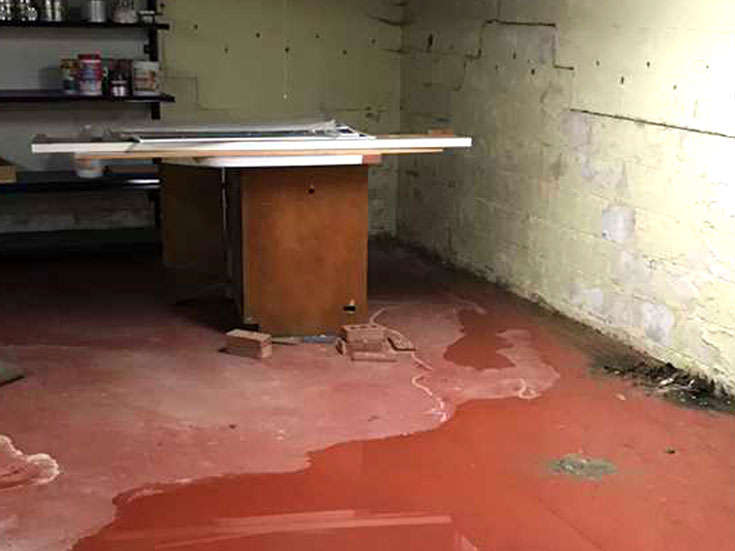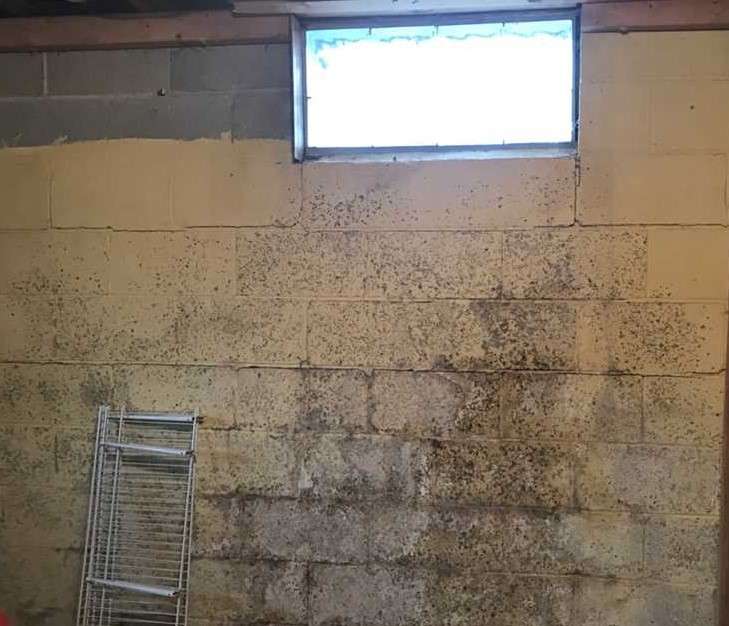
Water entering your basement after heavy rains, snow melt, or flooding can be extremely frustrating. Without effective solutions, this excess moisture can cause structural damage and foundation instability.
Identifying the source of basement water and addressing the issue with comprehensive waterproofing solutions provides long-term relief. This page lists the top five ways water enters basements so you can fix problems before damage occurs.
Water seepage in basement areas is cause for concern, but effective solutions exist to address these issues and prevent further damage. The first step in repair is identifying the source of the basement water. Here are the top five ways water infiltrates this space:
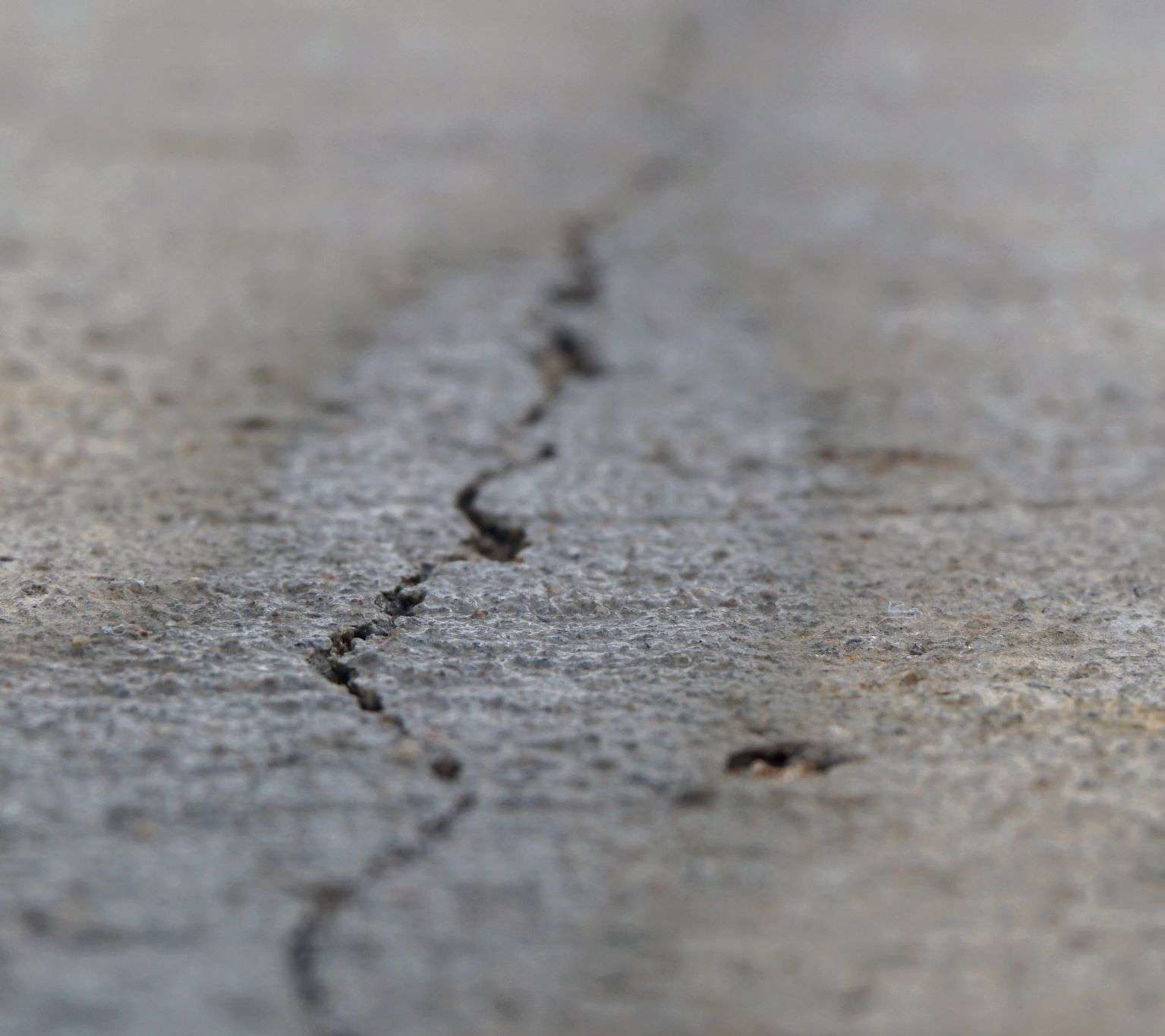
Foundation wall cracks and floor cracks can cause basement leaks when it rains and water seepage.
Contact a basement professional for a free inspection to determine the best repair option for your property.

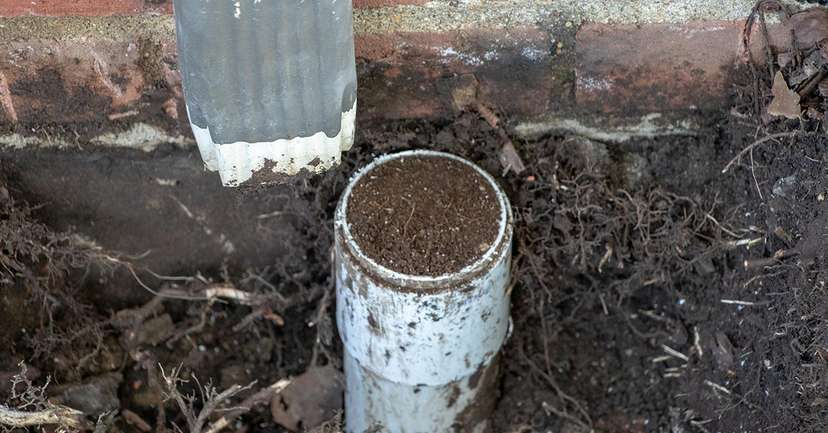
Inefficient drainage systems, such as clogged gutters and downspouts or improper landscape or yard grading, cause water to flow toward the foundation instead of away from it, increasing the risk of basement water infiltration. Inadequate interior drainage systems also cause excess basement water.
Improper sealing around basement windows and doors can allow rainwater entry during storms or flooding. This causes leaking basement windows and seepage.
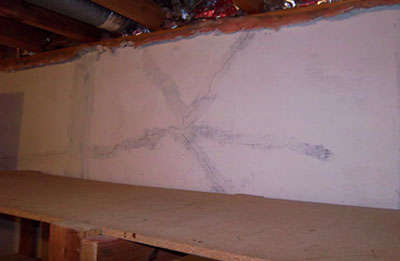
Pressure from saturated soil after heavy rainfall can force water into the basement through cracks or porous concrete.
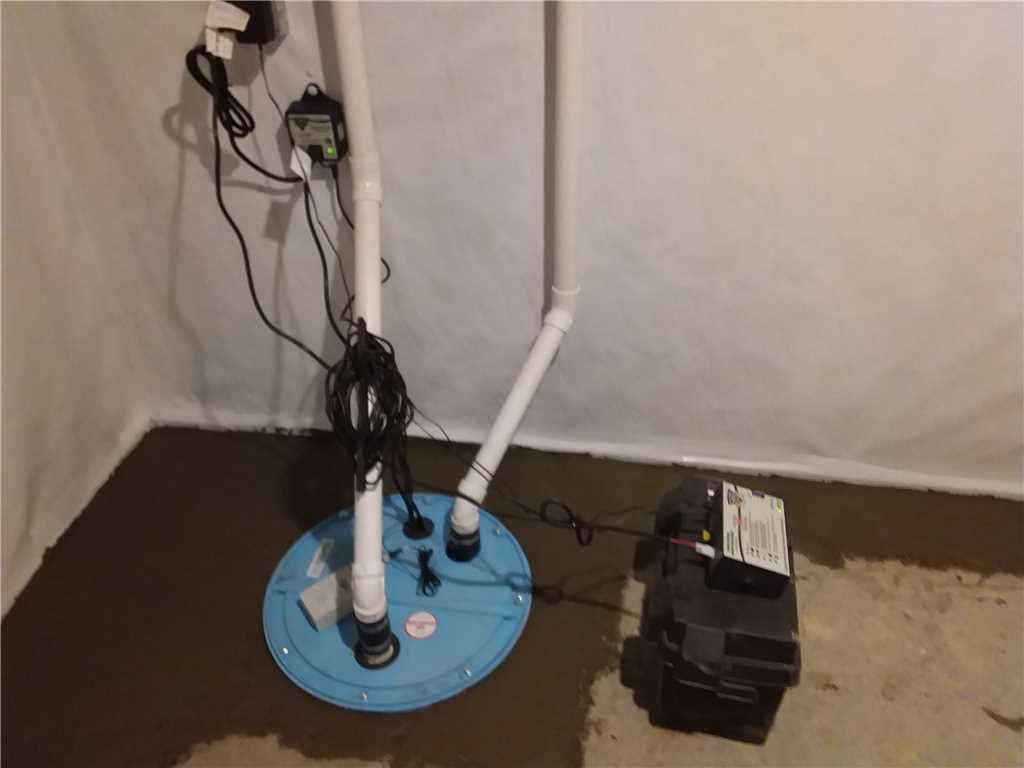
Malfunctioning sump pumps do not remove excess basement water after heavy rainfall, leading to accumulation and damage.
Basement water results from various causes, including high water tables or undetected plumbing and pipe leaks. Professional basement inspections identify these issues early, preventing further damage and protecting your home and family’s health.
Comprehensive waterproofing solutions prevent water in basement spaces and provide long-term results. Professionals install various methods to protect this area from water seepage and accumulation. These methods include:
The basement waterproofing methods installed depend on the severity of damage and the water issues. Professionals must remove mold growth before installing waterproofing components. JES Foundation Repair tailors solutions based on your home’s unique needs.
Homeowners can take proactive steps to keep their basements safe and dry. However, some basement waterproofing solutions should be left to the professionals. Here’s how to know what to do and what not to do:
Persistent basement water issues should be addressed by a professional. Contact a basement waterproofing expert for a free inspection if you notice frequent water accumulation, structural damage, mold growth, foundation cracks, or leaks.
We do not recommend DIY basement waterproofing solutions because they are often ineffective and don’t solve the underlying cause of the problem. Homeowners can, however, ensure proper yard and landscape grading and perform general inspections for pipe and plumbing leaks, cracks, and mold growth.
Overall, professional basement waterproofing solutions provide long-term results, ensuring your home remains safe, dry, and healthy.

If you’ve discovered basement water, leaks, or other issues, addressing them promptly is critical to preventing further damage. JES Foundation Repair provides professional basement waterproofing solutions tailored to your needs and budget.
Contact us today for a free inspection.
Some waterproofing solutions are temporary, whereas others can last longer if they’re more comprehensive. The type of waterproofing that involves interior drainage installed by a reliable basement waterproofing professional is a more permanent solution. Comparatively, sealant waterproofing lasts between one and two years, depending on the type of sealant you used.
Yes, ensuring the ground around your home slopes away from the foundation can help prevent water buildup. It’s essential to keep gutters clean and ensure that downspouts direct water at least 5 to 10 feet away from the foundation. Proper landscaping can significantly reduce the risk of water intrusion.
JES Foundation Repair offers a wide number of drainage systems that can be installed within your basement for efficient moisture and water control. Arguably, one of the most important drainage systems is sump pumps: basins that can intake large amounts of water found in and around your home and redirect this water elsewhere so that you do not experience leaks or floods. The SafeDri™ ProPlus 330 is the most basic model, and the SafeDri™ UltraPro Triple Sump Pump System has an additional pump for heavy-duty jobs. Homeowners also have the option of the SafeDri™ ProPlus with Battery Backup System, which includes a battery backup that kicks into gear in the event of a power failure.
If you notice that water is entering your basement from any doorway openings, the BasementGutter™ Grated Drain Pipe is the solution for you. It is installed directly into the floor at any entryway, therefore capturing any water that may enter your basement through it. The holes of the grate are also small enough to block larger pieces of debris from entering, and even then, the drain pipe is easy to clean. Another option is the BasementGutter™ Interior Drain System, which lines the perimeter of your basement and is both resistant to being clogged and non-invasive to your space.
JES Foundation Repair also offers a basement dehumidifier that can remove 4 times the amount of water from the air than the commercial brands. It is also highly efficient since it drains on its own and can be adjusted to remove as much or as little moisture as you deem necessary.
Groundworks
Who is the Groundworks Editorial Team? We're a small team of writers and researchers who spend our days digging into foundation repair, crawl spaces, and everything else that keeps a house standing. We work closely with Groundworks' field experts to make sure what we publish holds up — because when it's your home on the line, "probably right" isn't good enough.